
I almost skipped Pienza.
That’s probably the funniest part of this story.
When I was planning my Tuscany route, I kept seeing people talk about Florence, Siena, and the famous vineyards around Chianti. Pienza barely got mentioned beyond a few Instagram photos of rolling hills and pecorino cheese shops. I figured it would be another pretty village where you spend an hour taking pictures and then leave.
Instead, I ended up staying longer than planned, eating some of the best pasta of my trip, and realizing that this tiny town captures the slower side of Tuscany better than many larger destinations.
If you’re planning a visit to Tuscany and wondering whether Pienza is actually worth your time, this guide is based on what I experienced firsthand — including mistakes I made, places I found unexpectedly good, and practical things I wish someone had told me before I arrived.
First Impressions of Pienza
The drive into Pienza honestly looked unreal.
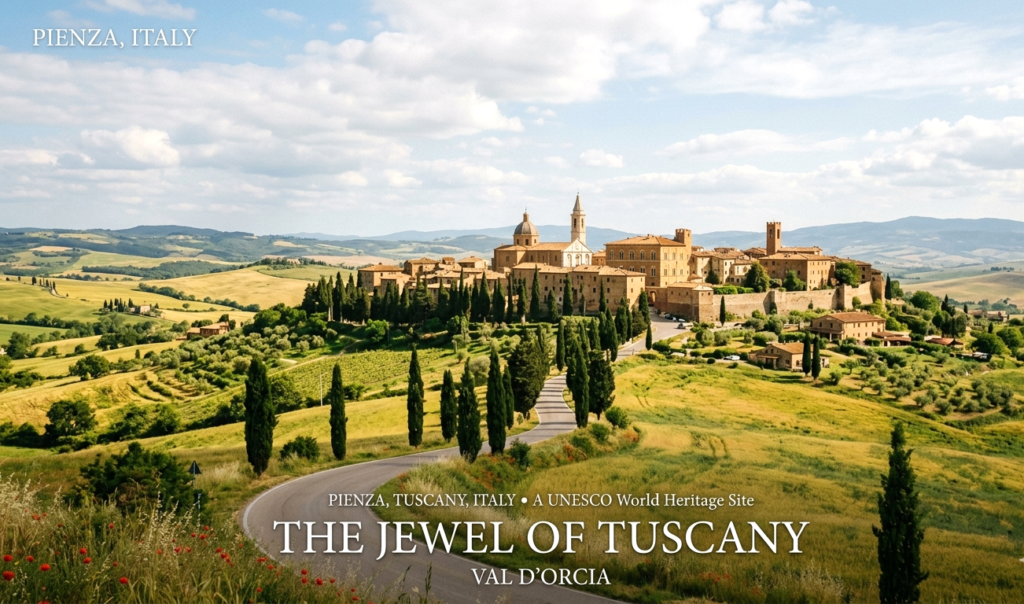
I rented a small car in Florence and drove south through the famous Val d’Orcia countryside. At one point, I had to pull over because the landscape looked almost too perfect — winding roads, golden fields, cypress trees, and old stone farmhouses sitting on hills.
The funny thing is, photos don’t fully prepare you for how peaceful the area feels in real life.
Pienza itself is small. Really small.
You can walk across the historic center in about 15 minutes, but somehow it never felt boring. Every narrow street seemed to lead to another scenic viewpoint, tiny café, or cheese shop with samples sitting outside.
I arrived thinking I’d just “see the town.”
I left understanding why people romanticize Tuscany so much.
Why Pienza Feels Different From Other Tuscany Towns
A lot of Italian tourist towns can feel crowded, rushed, and overly commercial during peak season.
Pienza still attracts visitors, but the atmosphere feels slower.
Part of that comes from its location in the Val d’Orcia region, which is known for peaceful countryside landscapes rather than busy city tourism.
Another reason is the town’s design.
Pienza was actually redesigned during the Renaissance by Pope Pius II, who wanted to create the “ideal city.” Even if you’re not deeply interested in architecture, you notice how organized and balanced the streets feel compared to older medieval towns nearby.
But honestly, what stayed with me most wasn’t the history.
It was the pace.
People actually sit outside talking for hours. Shop owners chat casually with visitors. Nobody seems in a rush.
After spending time in crowded tourist areas earlier in my Italy trip, Pienza felt refreshed.
What to Actually Do in Pienza
Even though the town is small, there’s more to do than many travelers expect.
Walk the Scenic Streets Slowly
This sounds obvious, but I made the mistake of trying to “cover” Pienza quickly during my first evening.
Bad idea.
The best moments happened when I slowed down and wandered without checking Google Maps every five minutes.
Some of my favorite streets included:
- Via dell’Amore
- Via del Bacio
- Via della Fortuna
Yes, those are real street names.
Tiny alleyways open into incredible countryside views, especially near the old stone walls overlooking the valley.
Sunset here is something else.
The soft golden light hitting the Tuscan hills honestly made even amateur phone photos look professional.
Try Pecorino Cheese From Local Shops
Pecorino Toscano is basically the star food of Pienza.
And before visiting, I thought cheese was cheese.
I was wrong again.
Different shops let you sample:
- Fresh pecorino
- Aged pecorino
- Truffle pecorino
- Pecorino with herbs
- Pecorino aged in wine barrels
One older shop owner explained how aging changes the texture completely. Some cheeses were soft and mild, while others had sharp flavors that stayed in your mouth for minutes.
Mistake I made:
I bought too much cheese on my first day without thinking about travel logistics afterward.
If you’re continuing your trip, consider vacuum-packed options for easier transport.
Visit the Cathedral and Main Square
The center of town revolves around Piazza Pio II.
This square feels elegant without being overwhelming.
The cathedral itself is simple compared to massive churches in Rome or Florence, but that’s part of its charm. Natural light fills the interior differently than many darker Italian churches I visited.
I noticed people spending more time sitting quietly outside the square than rushing through attractions.
That became a pattern in Pienza overall.
Explore the Val d’Orcia Countryside
This is where having a car helps a lot.
The countryside surrounding Pienza is one of the most photographed areas in Italy, and once you drive through it, you understand why.
I spent an entire afternoon stopping randomly along country roads just to enjoy the scenery.
Nearby spots worth exploring include:
- Montepulciano
- Montalcino
- San Quirico d’Orcia
Each town has a slightly different personality.
Montepulciano felt livelier and wine-focused.
Montalcino felt more refined and upscale.
Pienza felt calm and balanced.
The Food Experience in Pienza
I expected good food because, well, it’s Italy.
But some meals in Pienza genuinely surprised me.
One small family-run restaurant served handmade pici pasta with wild boar sauce that I still think about months later. Another place near the town walls had outdoor seating overlooking the valley, and dinner there ended up lasting nearly three hours without anyone rushing us.
That slower dining culture took adjustment.
Back home, restaurant meals often feel transactional. In Tuscany, meals feel more like events.
Foods Worth Trying
If you visit Pienza, don’t miss:
- Pici pasta
- Pecorino cheese
- Tuscan soups
- Wild boar dishes
- Local olive oil
- Brunello and Montepulciano wines
Even simple dishes tasted different because the ingredients felt fresher and less processed.
Best Time to Visit Pienza Tuscany
I visited during early autumn, and honestly, I think it was close to perfect.
The weather stayed warm enough for outdoor dining, but the intense summer crowds had already started fading.
Spring (April–May)
Great for:
- Green landscapes
- Mild temperatures
- Photography
- Road trips
Spring flowers make the countryside especially beautiful.
Summer (June–August)
This is peak tourist season.
You’ll get:
- Long sunny days
- Busy streets
- Higher hotel prices
- More crowded viewpoints
If visiting in summer, book accommodations early.
Autumn (September–October)
This was my favorite.
The golden fields looked incredible, temperatures were comfortable, and the wine season added extra energy to nearby towns.
Winter (November–February)
Quieter and more peaceful, though some smaller businesses reduce hours.
You won’t get the same vibrant countryside colors, but you’ll experience a more local atmosphere.
Where I Stayed in Pienza
I stayed in a small stone guesthouse just outside the historic center.
Best decision of the trip.
At night, once day-trippers left, Pienza became incredibly quiet. Walking through nearly empty streets after dinner felt completely different from daytime tourism.
One lesson:
Don’t automatically stay in larger cities and “day trip” to Pienza.
Spending at least one night changes the experience entirely.
Sunrise in the Tuscan countryside is worth waking up early for.
Transportation Tips I Learned the Hard Way
Renting a Car Makes Things Easier
Technically, you can reach Pienza using trains and buses.
But honestly?
Driving gives you freedom to explore the countryside properly.
I used:
- Google Maps for navigation
- Offline maps downloaded beforehand
- Parking apps for nearby towns
One thing to know: historic centers often have restricted driving zones called ZTL areas.
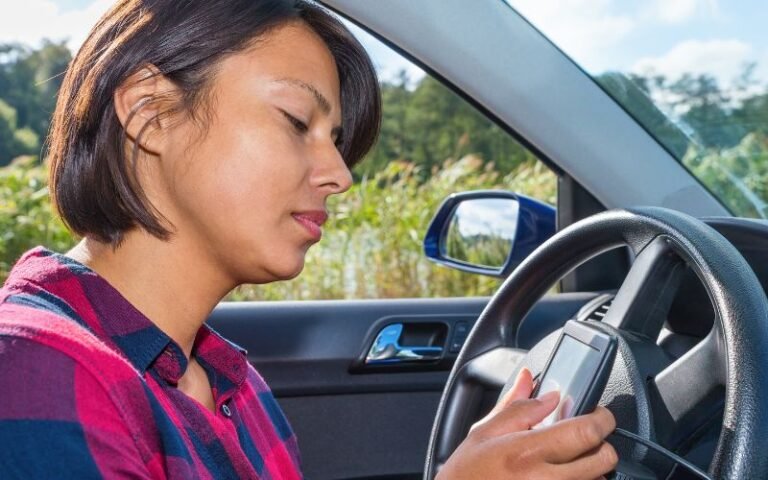
I nearly drove into one accidentally because I wasn’t paying attention to signs.
That can lead to expensive fines later.
Parking in Pienza
Thankfully, parking outside the historic walls was easier than expected.
Most visitors leave cars outside and walk into town.
Bring some coins or a payment card for parking meters.
Common Mistakes Travelers Make in Pienza
Trying to Rush Through It
Pienza works best slowly.
If you visit for one rushed afternoon between five other Tuscany stops, you’ll probably miss what makes it special.
Ignoring Small Restaurants
Some of the best meals I had came from tiny places without flashy signs or huge online reviews.
Sometimes the quieter restaurants ended up serving the most authentic food.
Visiting Only for Photos
Yes, the scenery is stunning.
But Pienza feels best when you actually slow down long enough to enjoy the rhythm of the town instead of treating it like a quick photo stop.
Is Pienza Worth Visiting?
For me, absolutely.
Especially if you want the version of Tuscany that feels peaceful, scenic, and genuinely relaxing instead of overly busy.
What surprised me most wasn’t the architecture or even the countryside.
It was how quickly my pace changed there.
I stopped checking my phone constantly. Meals became longer. Walks became slower. Even simple things like sitting with coffee overlooking the hills felt memorable.
That’s probably the real magic of Pienza.
It’s not packed with huge attractions or endless sightseeing lists.
It simply makes you want to stay a little longer than you planned

I am Ethan Miles, exploring the magic of Theme Parks and the beauty of Nature & Outdoors. From thrilling coasters to peaceful trails, I share honest tips, hidden gems, and immersive guides that inspire you to travel deeper and discover more. Whether you are chasing the rush of a roller coaster or the calm of a forest sunrise, my mission is simple to inspire you to explore with curiosity, depth, and joy.