
The first thing that surprised me about Coiba Island was not the beaches or the water. It was the silence.
After spending time in busy tourist spots across Central America, arriving near Coiba felt completely different. No loud beach clubs. No massive resorts. No crowded souvenir streets. Just dense jungle, turquoise water, and the sound of birds everywhere.
I still remember sitting on the boat from Santa Catalina while the coastline slowly appeared in the distance. The guide pointed toward the island and casually mentioned, “Most people still don’t know how special this place is.” After visiting, I understood exactly what he meant.
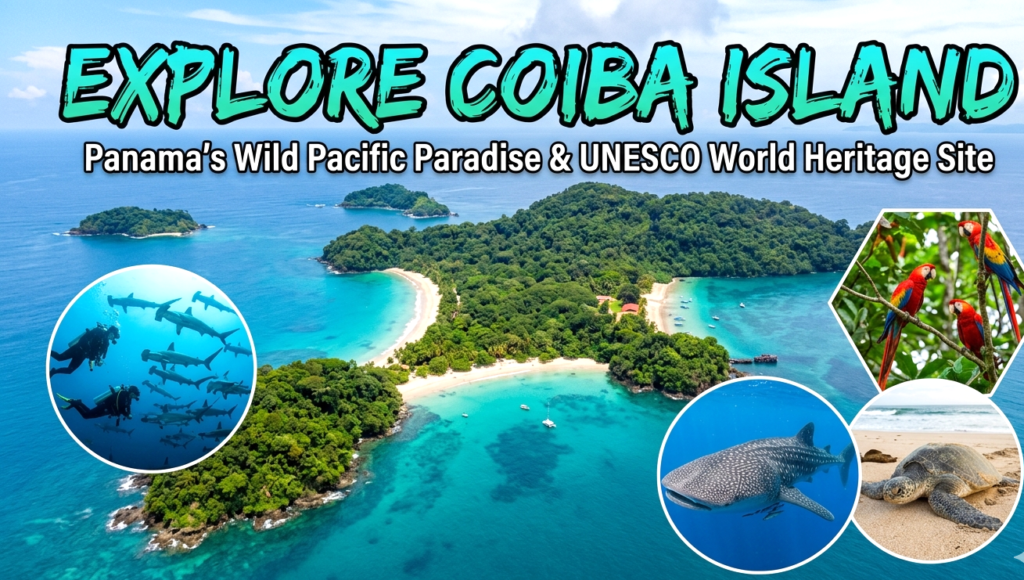
Coiba National Park is one of Panama’s most beautiful and untouched natural places. It is also a UNESCO World Heritage Site. Located on Panama’s Pacific coast, Coiba Island was once used as a remote prison colony. Because very few people lived there, the forests and wildlife stayed protected from heavy development for many years.
Today, it’s famous for the following:
- Incredible scuba diving and snorkeling
- Whale shark sightings during certain seasons
- Humpback whale migrations
- White-sand beaches
- Tropical rainforest hikes
- Rare wildlife found nowhere else
- Crystal-clear Pacific waters
Many travelers compare Coiba to the Galápagos Islands because of its biodiversity, but honestly, Coiba feels more raw and less commercial.
If you enjoy nature, diving, wildlife, or peaceful islands that still feel authentic, this place deserves a spot on your travel list.
Best Time to Visit (Latest Info)
One mistake I almost made was visiting during the wrong season.
At first, I assumed Panama would have perfect tropical weather year-round. Technically, you can visit anytime, but your experience changes a lot depending on the month.
Dry Season (December to April)
This is usually considered the best time for most travelers.
During my trip in late February, the weather was hot, sunny, and ideal for boat rides and beach time. The ocean was calmer, which made snorkeling much easier.
This season is best for:
- Beach activities
- Island hopping
- Snorkeling
- Hiking
- First-time visitors
- Better boat conditions
The downside? Prices in nearby towns like Santa Catalina can be slightly higher, and accommodations book faster.
Rainy Season (May to November)
Don’t immediately rule this season out.
Locals told me some divers actually prefer these months because marine life becomes more active. Humpback whales are commonly seen between July and October.
You should expect:
- Afternoon rain showers
- Rougher boat rides on some days
- Fewer tourists
- Greener jungle scenery
- Better chances for whale sightings
Whale Shark & Whale Season
If scuba diving is your main reason for visiting, many dive operators recommend:
- Whale sharks: December to April
- Humpback whales: July to October
Weather patterns can shift slightly each year, so it’s smart to check local tour operators before booking.
3. How to Reach Coiba Island
Getting to Coiba takes more effort than visiting a typical beach destination, but that’s honestly part of its charm.
There’s no direct airport on the island, and you can’t simply drive there.
Step 1: Fly Into Panama City
Most international travelers arrive at Tocumen International Airport. From there, you have several travel options to continue your journey.
Step 2: Travel to Santa Catalina
The main gateway to Coiba is Santa Catalina.
I took a bus from Panama City, and honestly, the journey was longer than I expected. The full trip took about 7–8 hours, including transfers between buses.
You can reach Santa Catalina by:
- Rental car
- Shuttle service
- Public buses
- Domestic flight + road transfer
Step 3: Boat to Coiba Island
From Santa Catalina, you’ll join:
- A day tour
- A diving expedition
- An overnight camping trip
Boat rides usually take:
- 1.5 to 2 hours depending on weather
A lesson I learned quickly: morning boat rides are usually calmer.
If you get seasick easily, bring motion sickness tablets. One traveler on my boat forgot them and spent half the journey regretting it.
4. Estimated Trip Cost
Coiba can fit different budgets, but transportation and tours are the biggest expenses.
Here’s a realistic breakdown based on current traveler averages.
Budget Traveler
- Hostel in Santa Catalina: $15–25/night
- Public transport: $20–40 total
- Shared Coiba tour: $70–120
- Food: $10–20/day
Estimated 3-day budget:
- Around $250–450
Mid-Range Traveler
- Boutique hotel: $60–150/night
- Shuttle transport
- Snorkeling or diving package
- Restaurant meals
Estimated 3-day budget:
- Around $600–1,000
Diving-Focused Trip
If you plan multiple dives, costs rise quickly.
Expect:
- Multi-dive packages
- Equipment rentals
- Marine park fees
- Overnight stays
Average diving-focused trip:
- $1,000+ depending on length
Extra Costs People Forget
I noticed many travelers underestimate these:
- National park entry fees
- Cash-only payments in some places
- Dry bags for electronics
- Tips for guides and boat crews
- Motion sickness medication
ATMs can also be unreliable in Santa Catalina, so carry enough cash before arriving.
5. Top Attractions & Activities
This is where Coiba really stands out.
Scuba Diving
Scuba Diving around Coiba is considered world-class.
Even the experienced divers I met on the boat were truly excited because the marine life there is amazing.
Depending on the season, divers report seeing:
- Reef sharks
- Sea turtles
- Massive schools of fish
- Rays
- Whale sharks
- Dolphins
Popular dive sites include:
- Granito de Oro
- Contreras Islands
- Faro
- Canal de Afuera
Snorkeling at Granito de Oro
Granito de Oro was probably my favorite place for snorkeling.
The water clarity looked unreal in person. I saw colorful fish within minutes of entering the water.
One thing I didn’t expect was how strong the sun felt while snorkeling. I skipped reef-safe sunscreen during my first hour and regretted it badly later.
Wildlife Watching
The island’s isolation protected many species.
You may spot:
- White-faced capuchin monkeys
- Scarlet macaws
- Iguanas
- Sea turtles
- Crocodiles
- Humpback whales
Bring binoculars if you enjoy birdwatching.
Hiking Through the Jungle
The hiking trails feel wild and undeveloped compared to many tourist parks.
Humidity can become intense quickly, especially midday.
I made the mistake of carrying too little water during a short jungle walk. Even a moderate hike felt exhausting in the tropical heat.
Beach Relaxation
Some beaches feel completely untouched.
There were moments when it honestly felt like we had entire stretches of coastline to ourselves.
That’s becoming rare in many famous tropical destinations.
6. Accommodation Options
You generally won’t find large luxury resorts directly on Coiba Island.
Most travelers stay in Santa Catalina.
Budget Stays
Popular among backpackers and divers.
You’ll find:
- Shared dorms
- Surf hostels
- Budget guesthouses
- Basic eco-lodges
These are ideal if you mainly need a place to sleep before tours.
Mid-Range Hotels
This is probably the sweet spot for most travelers.
You get:
- Air conditioning
- Better Wi-Fi
- Comfortable private rooms
- Tour booking assistance
- Beach access
Eco-Lodges
Some travelers choose eco-style accommodations for a more nature-focused experience.
Expect:
- Limited electricity in some cases
- Fewer modern conveniences
- Strong connection to nature
If you’re expecting luxury resort standards, you may be disappointed.
But if you enjoy authentic experiences, these places can be unforgettable.
Booking Tip
I strongly recommend booking accommodations early during:
- December holidays
- January
- Easter season
- Whale migration months
The town is small, and good places fill surprisingly fast.
7. Local Food & Cuisine
One of the best surprises during my trip was the seafood.
Because the area is coastal, fresh fish is everywhere.
Must-Try Foods
- Grilled fish
- Ceviche
- Fried plantains
- Coconut rice
- Patacones
- Tropical fruit smoothies
After long boat tours, simple meals somehow tasted amazing.
Seafood Quality
I had one grilled tuna meal near the beach that honestly rivaled meals I’ve paid much more for in larger cities.
The freshness makes a huge difference.
Restaurants in Santa Catalina
Most restaurants are casual and relaxed.
You’ll find:
- Seafood restaurants
- Surf cafes
- Small local eateries
- Pizza spots for travelers
Internet speeds can vary, so don’t expect every cafe to be laptop-friendly for remote work.
Important Food Tip
Some restaurants close earlier than expected.
After evening tours, I noticed travelers scrambling to find food late at night.
Eating dinner earlier is usually smarter here.
8. Travel Tips & Safety Advice
Coiba feels safe overall, but preparation matters.
Bring Cash
This is one of the biggest practical tips.
Some businesses:
- Don’t accept cards
- Have unreliable card machines
- Charge extra for card payments
Carry enough cash for:
- Tours
- Food
- Transport
- Emergency expenses
Pack These Essentials
Here’s what genuinely helped during my trip:
- Reef-safe sunscreen
- Dry bag
- Motion sickness tablets
- Reusable water bottle
- Lightweight rain jacket
- Waterproof phone pouch
- Power bank
- Mosquito repellent
Protect Marine Life
Coiba’s ecosystem is fragile.
Avoid:
- Touching coral
- Feeding wildlife
- Leaving trash
- Using harmful sunscreens
Many guides take conservation seriously.
Internet & Connectivity
Don’t expect perfect Wi-Fi everywhere.
Honestly, that became one of my favorite parts of the trip.
Being disconnected for a while made the experience feel more real.
Boat Safety
Always listen to local guides.
Pacific Ocean conditions can change quickly.
If weather looks rough, tour schedules may shift for safety reasons.
9. Itinerary Suggestions
3-Day Coiba Island Trip
Best for travelers short on time.
Day 1:
- Arrive in Santa Catalina
- Explore the beach
- Book tours
Day 2:
- Full-day Coiba snorkeling or diving tour
- Visit Granito de Oro
Day 3:
- Surfing or relaxing in the morning
- Return to Panama City
5-Day Trip
Ideal balance for most travelers.
Day 1–2:
- Relax in Santa Catalina
- Local beaches and sunset spots
Day 3:
- Coiba diving/snorkeling expedition
Day 4:
- Jungle hiking
- Wildlife watching
Day 5:
- Surf lesson or island relaxation
- Travel back
7-Day Adventure Trip
Perfect for divers and nature lovers.
Include:
- Multiple dive days
- Whale watching
- Kayaking
- Extra island excursions
- Slow travel days
Honestly, Coiba feels best when you don’t rush.
10. FAQs
Is Coiba Island worth visiting?
Yes, especially if you enjoy nature, diving, wildlife, and less-commercial destinations.
Can you stay directly on Coiba Island?
Most travelers stay in Santa Catalina, though limited camping and special tours may allow overnight stays closer to the island.
Is Coiba better for diving or snorkeling?
Both are excellent, but Coiba is especially famous internationally for scuba diving.
Do you need a guide to visit Coiba?
Most visitors join licensed tours from Santa Catalina because access is controlled through the national park.
Is Coiba safe for tourists?
Generally yes. Basic travel precautions and weather awareness are important.
How many days do you need?
At least 3–5 days is ideal if you want enough time for tours and relaxation.
Can beginners go diving at Coiba?
Yes, many operators offer beginner-friendly dives and certification courses.
Final Thoughts
Coiba Island isn’t the kind of place people visit for luxury shopping or nightlife.
It’s the kind of place where you wake up early for a boat ride, spend hours surrounded by nature, and return tired, sunburned, and genuinely happy.
What stayed with me most wasn’t just the beaches or marine life. It was the feeling that parts of the world like this still exist quiet, wild, and mostly untouched.
If you’re looking for a destination that feels more adventurous and authentic than a typical tropical vacation, Coiba Island is absolutely worth the effort.

I am Ethan Miles, exploring the magic of Theme Parks and the beauty of Nature & Outdoors. From thrilling coasters to peaceful trails, I share honest tips, hidden gems, and immersive guides that inspire you to travel deeper and discover more. Whether you are chasing the rush of a roller coaster or the calm of a forest sunrise, my mission is simple to inspire you to explore with curiosity, depth, and joy.