
Sleeping Bear Dunes National Lakeshore
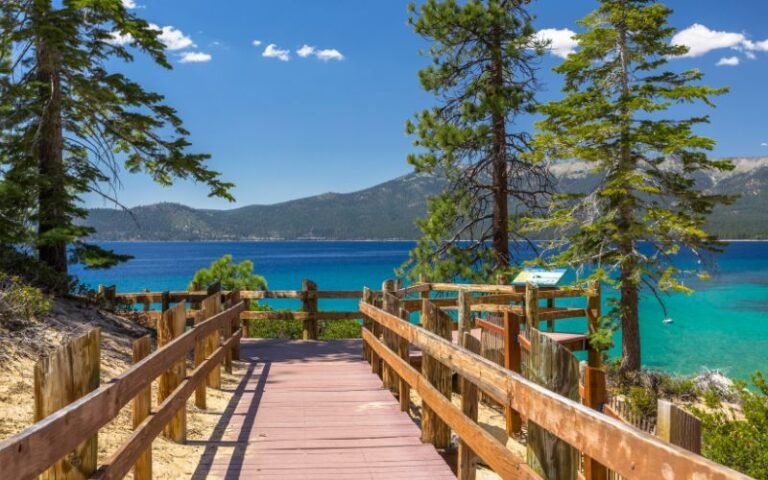
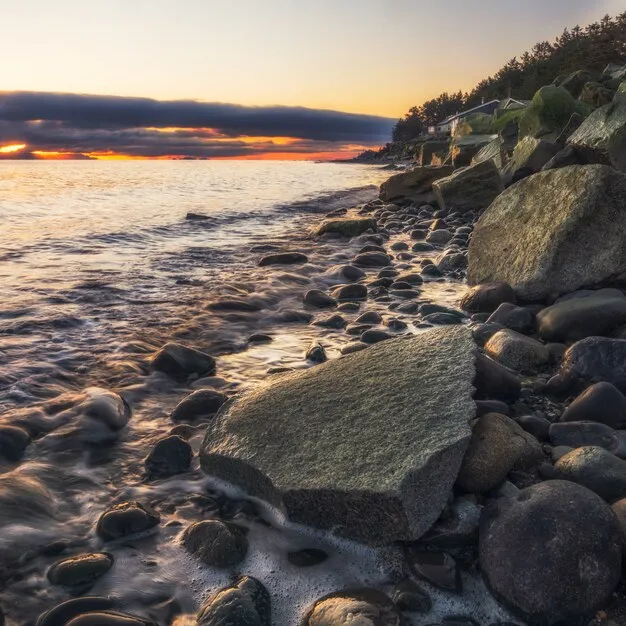
Nestled along the northeastern shore of Lake Michigan, Sleeping Bear Dunes National Lakeshore (Michigan) is a pristine natural wonder that captivates visitors with its towering dunes, crystalline lakeshore, and lush forests. Established in 1970, this National Lakeshore stretches over 35 miles of shoreline, encompassing rolling dunes, deep forests, scenic overlooks, and charming small towns. The park derives its name from the Ojibwe legend of a mother bear and her cub, whose footprints are said to have formed the dunes. Famous for its panoramic vistas, hiking trails, and water-based activities, Sleeping Bear Dunes has become a must-visit destination for nature enthusiasts, adventure seekers, and families. For those exploring the Great Lakes region, this park pairs beautifully with other attractions, such as Salt Lake City, providing a diverse travel experience.
With an expansive blend of recreational opportunities and natural beauty, Sleeping Bear Dunes National Lakeshore offers experiences ranging from tranquil beach days to heart-pounding dune climbs. The park’s unique topography, with dunes reaching heights of over 450 feet, provides breathtaking views of Lake Michigan and Glen Lake. Wildlife abounds, from white-tailed deer and foxes to an array of bird species, making it ideal for photography, birdwatching, and outdoor exploration.
Best Time to Visit (Latest Info)
The best time to visit Sleeping Bear Dunes National Lakeshore is between late May and early October, when the weather is mild and most of the park’s amenities are open. Summer months (June through August) are ideal for swimming, boating, and camping, with daytime temperatures ranging from 70°F to 85°F. Fall (September to October) offers cooler temperatures and fewer crowds, plus stunning autumn foliage across the forests and dune landscapes.
2025 updates suggest that park facilities, including the visitor centers, campgrounds, and trailheads, are expected to operate at full capacity, with additional safety measures for hikers on steep dunes. Seasonal closures may occur in winter due to snow and ice, making hiking and driving more challenging. Early spring (April to May) sees fewer visitors, offering a more serene experience, but water-based activities may be limited.
How to Reach Sleeping Bear Dunes National Lakeshore
By Air
The nearest major airports include Cherry Capital Airport (TVC) in Traverse City (about 30 miles north) and Gerald R. Ford International Airport (GRR) in Grand Rapids (approximately 110 miles south). From these airports, visitors can rent a car or take a shuttle service to the park.
By Road
Driving is one of the most convenient options. From Chicago, it is roughly a 5-hour drive (300 miles) via I-94 and US-31. From Detroit, the distance is about 4 hours (230 miles) via I-96 and M-22. Scenic routes along M-22 are particularly recommended for breathtaking views of the Lake Michigan shoreline.
By Train
While no direct passenger train serves the park, travelers can take Amtrak to Traverse City or nearby cities and rent a car for the remaining journey.
By Bus
Limited bus services are available through regional operators from nearby cities. Planning is essential as schedules may vary seasonally.
Estimated Trip Cost
Flights
- From Chicago: $200 to $350 round-trip
- From New York: $400 to $600 round-trip
- From Los Angeles: $450 to $700 round-trip
Hotels and Lodging
- Budget: $80 to $120 per night (motels and inns in Empire or Glen Arbor)
- Mid-range: $150 to $250 per night (cottages, small lodges)
- Luxury: $300 to $500 per night (resorts and upscale vacation rentals)
Food
- Average meal: $10 to $25 per person
- Fine dining: $35 to $60 per person
Transport
- Rental car: $50 to $80 per day
- Gas for local travel: $25 to $50 for a week
Activities
- Park entrance fees: Free for vehicles; some activity-based permits may apply
- Kayak and canoe rentals: $30 to $60 per day
- Guided tours or dune climbing: $25 to $50 per person
Estimated total for a 3-day trip for two people: $900 to $1,200
5-day trip: $1,400 to $1,900
7-day trip: $2,000 to $2,600
Top Attractions and Activities
Sleeping Bear Dunes Overlook and Dune Climb
The Dune Climb is the park’s iconic attraction, offering panoramic views of Lake Michigan and Glen Lake. Climbing the towering dunes is physically challenging but extremely rewarding for the stunning vistas.
Pierce Stocking Scenic Drive
A 7.4-mile drive with multiple overlooks provides easy access to the park’s diverse landscapes, including forested trails, bluff-top views, and access to lesser-known beaches.
Empire Bluff Trail
A moderate 1.5-mile hike that rewards visitors with a spectacular view of the dunes and Lake Michigan. Ideal for photographers and nature enthusiasts.
Glen Lake Beaches
Platte River Point and Lake Michigan beaches provide serene swimming areas, picnicking spots, and calm waters for kayaking and paddleboarding.
Historic Port Oneida
Explore historic farmsteads and rural architecture, offering a glimpse into the early settler life of the region.
Kayaking and Canoeing
Glen Lake and nearby rivers provide excellent paddling experiences. Rentals and guided tours are available for all skill levels.
Winter Activities
In winter, cross-country skiing and snowshoeing are popular. Snow-covered dunes create a surreal, quiet environment.
Hidden Gems:
- Chapin Beach for quiet swimming
- Bohemian Alps Trail for secluded hiking
- Sleeping Bear Heritage Trail for biking enthusiasts
Accommodation Options
Budget
- Empire Inn: cozy rooms near the beach, $80 to $100 per night
- Glen Arbor Motel offers comfortable stays for travelers on a budget
Mid-range
- The Homestead resort with pools, dining, and family activities, $180 to $250 per night
- Cherry Tree Inn and Suites is centrally located with lake views
Luxury
- Lake Michigan Lodge, an upscale lakeside resort with fine dining, spa, and private beach access, $350 to $500 per night
- Vacation Rentals in Glen Lake, private homes with full amenities
Local Food and Cuisine
Must Try Dishes
- Fresh Whitefish from Lake Michigan
- Cherry Pie Traverse City is famous for cherries
- Pasties are a traditional Northern Michigan pastry
Recommended Restaurants
- The Cherry Republic Cafe offers local cherry specialties
- Sleeping Bear Deli sandwiches, salads, and local flavors
- Boathouse Restaurant, lakeside dining with fresh fish
Travel Tips and Safety Advice
- Weather: Summer temperatures 70 to 85°F, fall 50 to 70°F. Carry layered clothing.
- Culture: Respect natural habitats; park rangers are strict about dune protection.
- Packing Tips: Hiking boots, sun protection, reusable water bottle, bug spray.
- Safety: Stay hydrated on the dunes, watch for sudden weather changes, and observe wildlife from a distance.
Itinerary Suggestions
3 Day Trip
Day 1: Dune Climb, Pierce Stocking Scenic Drive, Glen Lake picnic
Day 2: Empire Bluff Trail, Kayaking on Glen La, Historic Port Oneida
Day 3: Platte River Point Beach, Local dining, Shopping in Glen Arbor
5 Day Trip
Day 1 to 3: Follow the 3-day plan
Day 4: Bohemian Alps, Trail Lake Michigan beach day
Day 5: Guided dune climb, Evening stargazing
7 Day Trip
Day 1 to 5: Follow 5-day plan
Day 6: Explore hidden trails and photography spots. Relax at the resort.
Day 7: Visit small towns around the park, Souvenir shopping, Departure
Final Thoughts
Sleeping Bear Dunes National Lakeshore (Michigan) offers an unparalleled blend of natural beauty, adventure, and cultural heritage. From hiking the majestic dunes to kayaking on serene lakes, visitors are immersed in a landscape that is both invigorating and peaceful. Combining this destination with other notable spots, such as Salt Lake City, Utah, ensures a diverse and fulfilling travel experience. Whether you are seeking a weekend getaway or a week-long exploration, Sleeping Bear Dunes promises memories that will last a lifetime.
FAQs
Is there an entrance fee?
Vehicle access is free; some guided activities may have small fees.
Are pets allowed?
Pets are allowed on certain trails but must be leashed.
Can I camp overnight?
Yes, the park has designated campgrounds; reservations are recommended.
Is the Dune Climb suitable for children?
Older children and teens can manage; younger kids may require assistance.
What wildlife can I see?
White-tailed deer, foxes, bald eagles, and migratory birds are commonly observed.