

Sequoia National Park Travel Guide 2025 Highlights
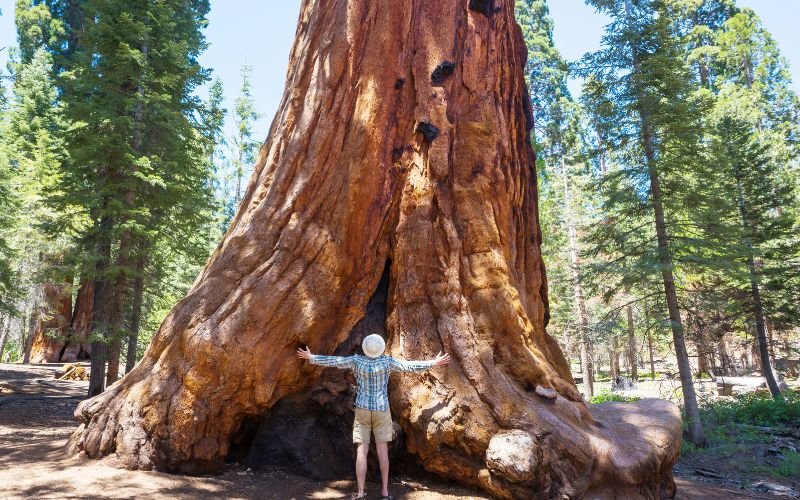
Every life has a story, and so does a landscape. Some lives are short-lived, burning brightly before fading away, while others span millennia, watching empires rise and fall. The towering groves of ancient trees in the Sierra Nevada have lived longer than civilizations, and their collective story unfolds in a place the world has come to admire: Sequoia National Park. Nestled in the southern Sierra Nevada of California, this sanctuary of giants has been called a cathedral of nature, a living memory of Earth’s deep time. The park is home to colossal trees like the General Sherman, the largest tree on the planet, which has stood through wars, migrations, and technological revolutions.
In this biography, we will explore the “life” of the park as if it were a venerable elder, born through tectonic uplift, nurtured by glaciers, and protected by generations of conservationists. Just as with any life story, we will trace its roots, understand its character, celebrate its triumphs, and learn how to walk in its presence with respect.
Best Time to Visit (2025 Updates)
Like any elder with moods that shift through seasons, this park offers different chapters of its personality across the year. In spring (April–June), snowmelt feeds rivers, wildflowers bloom in the meadows, and waterfalls roar with vitality. This is when hiking trails like the Big Trees Trail and Crescent Meadow feel alive with color.
Summer (July–August): This is the park’s busiest season. Roads are fully accessible, campgrounds brim with life, and families gather beneath the shade of towering trunks. But it’s also when crowds are thickest, so early mornings and late afternoons are best for solitude seekers.
In autumn (September–October): fewer visitors come, but the crisp air and golden meadows create a painter’s canvas. This season offers one of the best opportunities for photography and peaceful hikes.
Winter (November–March): transforms the landscape into a snowy cathedral. The giant trees stand cloaked in white, exuding serenity. Snowshoeing and cross-country skiing replace hiking in higher elevations. Roads to attractions like Moro Rock may close, but the trade-off is a level of quiet that few people experience.
2025 update: Park rangers have announced improved shuttle services in summer to reduce traffic congestion. Advanced online reservations for popular campgrounds like Lodgepole and Dorst Creek are now mandatory during peak months.
How to Reach
Every biography has moments of “arrival.” To meet this giant in person, travelers have several routes:
- By Air: The nearest airports are Fresno Yosemite International Airport (about 1.5 hours away), Visalia Municipal Airport (smaller but closer), and Los Angeles International Airport (for international visitors, about 5–6 hours away).
- By Road: Most visitors drive in from California highways. From the west, Highway 198 through Three Rivers enters via Ash Mountain Entrance, while Highway 180 from Fresno provides access to Grant Grove and connects directly to neighboring Kings Canyon.
- By Train: Amtrak serves Fresno and Visalia, where shuttle buses can connect travelers to the park.
- By Bus: The seasonal Sequoia Shuttle runs from Visalia, offering eco-friendly transport to the Lodgepole Visitor Center and Giant Forest.
Estimated Trip Cost
Every life story includes resources, and for a journey here, travelers must plan accordingly:
- Flights: Domestic flights average $250–$400 round-trip; international arrivals through Los Angeles average $800–$1,200, depending on the season.
- Accommodation:
- Budget campgrounds: $25–$40 per night.
- Mid-range lodges/motels outside the park: $120–$180 per night.
- Luxury mountain resorts or cabins: $250–$500 per night.
- Food: $40–$60 daily per person, depending on dining or cooking.
- Transport: Park shuttle passes are included in entry; car rentals average $60–$100 daily.
- Activities: Guided tours like Crystal Cave entry ($20), horseback rides ($60–$100), and special ranger-led programs (often free with park entry).
A 5-day trip for two people typically costs between $1,800 and $2,500, depending on lodging and activity preferences.
Top Attractions & Activities
Like the defining chapters in a biography, the park has moments and places that shape its “character.”
- General Sherman Tree: The largest tree on Earth by volume, a living elder over 2,200 years old.
- Giant Forest Museum: An interpretive center narrating the story of these ancient trees.
- Moro Rock Trail: A granite dome offering sweeping views of the Great Western Divide.
- Crescent Meadow: Described by John Muir as the “gem of the Sierra.”
- Tunnel Log: Drive through a fallen giant, a quirky yet iconic experience.
- Crystal Cave: A marble cavern with stalactites, stalagmites, and flowing underground streams.
- Kings Canyon Scenic Byway: A neighboring wonder, where the wilderness expands into dramatic gorges.
- Hidden Gems:
- Beetle Rock: Perfect for sunset viewing.
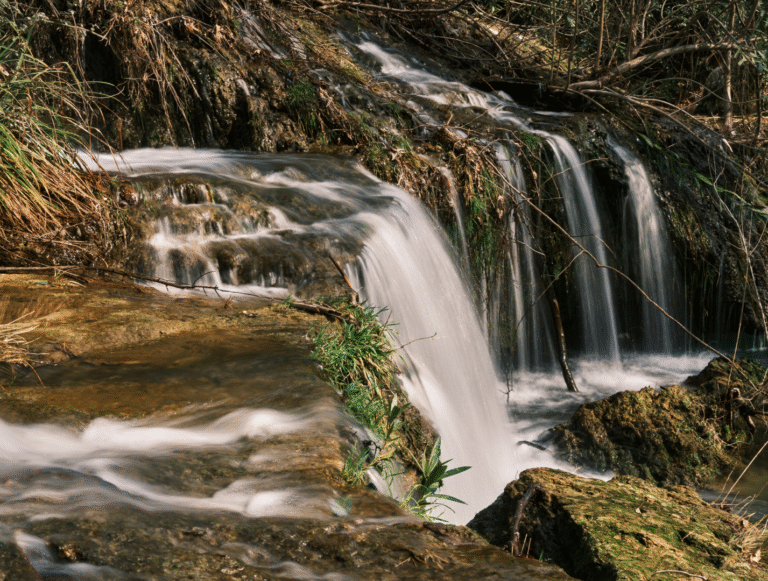
- Tokopah Falls: A moderate hike to a 1,200-foot waterfall.
- Muir Grove: A quieter grove away from heavy crowds.
Accommodation Options
As with any story, travelers need places to rest and reflect. Options include:
- Budget: Campgrounds such as Lodgepole, Dorst Creek, and Potwisha.
- Mid-Range: Wuksachi Lodge inside the park or affordable motels in Three Rivers.
- Luxury: Sequoia High Sierra Camp (seasonal), offering comfort in wilderness settings, or mountain resorts outside the park.
Local Food & Cuisine
The cuisine here reflects rustic mountain life. While the park itself has limited dining, nearby towns like Three Rivers offer gems:
- Must-Try Dishes: California trout, hearty burgers, and farm-to-table salads.
- Recommended Stops:
- Ol’ Buckaroo (Three Rivers): Known for fresh, locally sourced meals.
- Sierra Subs & Salads: Perfect for picnic-friendly meals before hikes.
- The Peaks Restaurant at Wuksachi Lodge: Offers scenic dining in the mountains.
Travel Tips & Safety Advice
Every biography includes lessons, and for this park, wisdom comes from centuries of resilience:
- Weather: Summer heat can soar, while winter snows can block roads. Pack layers.
- Wildlife: Black bears are common. Store food properly in bear boxes.
- Altitude: Many trails exceed 7,000 feet; hydrate and pace yourself.
- Packing Tips: Good hiking boots, insect repellent, refillable water bottles, and camera gear are essentials.
- Culture of Respect: Stay on trails, avoid touching tree bark, and practice Leave No Trace principles.
Itinerary Suggestions
3-Day Plan
- Day 1: Arrival, General Sherman Tree, Giant Forest Museum, Moro Rock.
- Day 2: Crystal Cave tour, Crescent Meadow picnic, Tokopah Falls hike.
- Day 3: Kings Canyon Scenic Byway and farewell.
5-Day Plan
- Add: Muir Grove hike, Beetle Rock sunset, and ranger-led astronomy program.
7-Day Plan
- Include longer backcountry hikes in the High Sierra wilderness, wildlife watching, and day trips paired with Joshua Tree National Park for a contrasting desert-to-forest experience.
Wrap Up
Like any biography, the story of this park is not finished. Every traveler who walks beneath its canopies becomes a part of its narrative. These trees, silent yet eloquent, remind us of endurance, patience, and the smallness of human time in comparison to nature’s calendar. Visiting this park is less about sightseeing and more about listening to whispers of wind in branches, to rivers tracing granite, and to the timeless resilience of life itself.
FAQs
How old is the General Sherman Tree?
It’s estimated to be around 2,200 years old, though it’s not the oldest tree in the park.
Can I camp inside the park?
Yes, with reservations at campgrounds like Lodgepole and Dorst Creek.
What wildlife can I see here?
Black bears, mule deer, bobcats, and over 200 bird species.
Is Crystal Cave open year-round?
No, it operates seasonally from late spring to fall.
How far is it from Yosemite?
Roughly 140 miles; about a 3.5–4.5-hour drive depending on traffic and entry points.
Citation
Wikipedia contributors. (n.d.). Sequoia National Park. In Wikipedia, The Free Encyclopedia. Retrieved September 5, 2025, from https://en.wikipedia.org/wiki/Sequoia_National_Park.




One Comment