

Joshua Tree National Park Travel Guide 2025
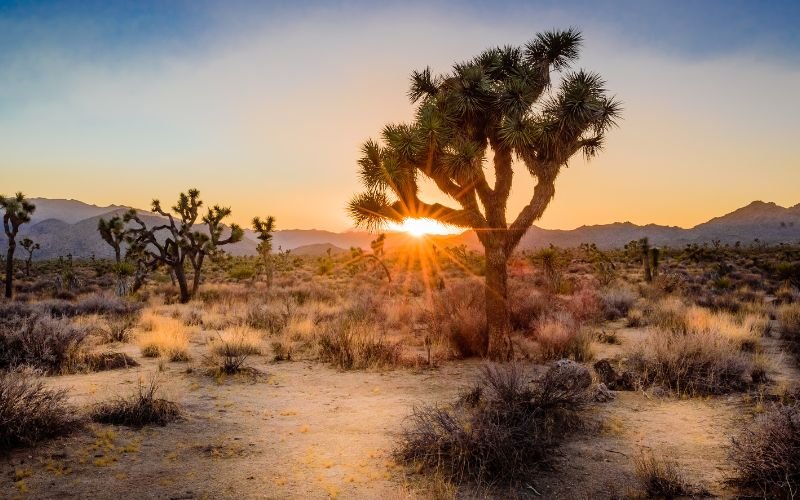
If places could write their own memoirs, the story of the desert sanctuary known today as Joshua Tree National Park would read like an epic novel. Tucked away in Southern California, this protected landscape straddles two desert ecosystems, the Mojave and the Colorado. Its namesake, the twisted yucca trees, stands like silent philosophers etched against an endless sky. For centuries, travelers, artists, stargazers, climbers, and dreamers have all found themselves spellbound by this rugged land.
But Joshua Tree is not merely a destination; it is a character in the grand story of America’s wilderness. Its rocks and sands hold the memory of Native American tribes, early pioneers, 20th-century counterculture artists, and millions of modern explorers. Like a person who has lived through phases of youth, maturity, and recognition, the park’s biography reflects resilience, inspiration, and timeless beauty.
This article unfolds as the life story of Joshua Tree, a narrative of its origins, rise to fame, present-day allure, and the journeys it inspires. Along the way, we’ll look at when to visit, how to reach, where to stay, what to eat, and how to explore its many layers.
Best Time to Visit (2025 Updates)
Every biography has chapters, and Joshua Tree’s seasonal moods are its most memorable passages.
- Spring (March to May): Like the energetic adolescence of the desert, spring paints the land with wildflowers. Yuccas bloom with creamy blossoms, while the weather is mild enough for long hikes. In 2025, rangers expect a “superbloom” if winter rains are generous.
- Summer (June to September): This is the fiery, restless stage of the desert’s life. Temperatures soar above 100°F (38°C). While daytime exploring is limited, summer nights bring warm breezes and spectacular stargazing opportunities.
- Fall (October to November): Fall is the wise, balanced adult. The sun is gentle, trails are welcoming, and campsites glow with golden sunsets. In 2025, several ranger-led astronomy programs are scheduled during fall new moons.
- Winter (December to February): The reflective elder of the desert. Days are cool, nights dip close to freezing, and snow occasionally dusts the higher rocks—creating a surreal contrast with the desert plants.
The most visitor-friendly months are March–May and October–November. Campsites and accommodations book out early, so reservations should be made at least 6 months ahead.
How to Reach
Just as biographies trace journeys, the story of how travelers reach Joshua Tree is an essential chapter.
- By Air: The nearest major airport is Palm Springs International Airport (approx. 45 minutes away). Los Angeles International Airport (LAX) is about 2.5 hours by car. For international travelers, flying into LAX or San Diego (3.5 hours away) is often more economical.
- By Road: From Los Angeles, it’s roughly 130 miles (210 km) via I-10 East. The drive takes you from bustling city freeways into open desert highways, a transition that feels like entering another lifetime.
- By Train/Bus: Amtrak stops at Palm Springs, from where shuttle services or car rentals are available. Greyhound also connects Palm Springs to nearby towns like Indio. Local bus service (MBTA) links Joshua Tree Village to the park entrance.
- By Car Rental: Most visitors prefer renting a vehicle, since public transport within the park is limited. Driving through scenic desert roads is part of the experience.
Estimated Trip Cost
Every life story includes economics, how resources sustain the journey. Traveling here is flexible; your costs depend on your choices.
Flights
- Domestic (LAX to Palm Springs): $100–$200 round-trip.
- International (Europe/Asia to California): $650–$1,200.
Accommodation
- Budget motels or campgrounds: $20–$70 per night.
- Mid-range hotels & Airbnbs: $90–$180 per night.
- Luxury resorts near Palm Springs: $250–$600 per night.
Food
- Local diners & cafés: $10–$20 per meal.
- Mid-range restaurants: $25–$50 per person.
- Special desert dining (farm-to-table or resort cuisine): $60–$120.
Transport
- Car rental: $50–$80 per day.
- Fuel: $4.50–$6.50 per gallon (2025 rates).
Activities
- Park entrance fee: $30 per vehicle (valid 7 days).
- Rock climbing guided tours: $120–$180.
- Stargazing programs: $20–$40.
- Photography or Jeep tours: $100–$250.
Estimated Total (per person for 4–5 days)
- Budget Traveler: $500–$800
- Mid-range Traveler: $1,000–$1,600
- Luxury Traveler: $2,200–$3,500
Top Attractions & Activities
A biography isn’t complete without the major achievements and highlights. Joshua Tree’s legacy shines through its landscapes and experiences.
- Hidden Valley: A legendary loop trail surrounded by massive boulders. Once rumored to shelter cattle rustlers, today it’s a beginner-friendly hike and rock-climbing hotspot.
- Keys View: A panoramic overlook where, on clear days, you can see the Coachella Valley, the San Andreas Fault, and even Mexico’s Signal Mountain.
- Skull Rock: Nature’s sculpture of a giant skull, attracting families and photographers alike.
- Cholla Cactus Garden: At sunrise or sunset, the glowing spines of thousands of chollas resemble a golden army.
- Barker Dam: A historic site where desert wildlife gathers, and ancient petroglyphs tell the story of Native tribes.
- Stargazing: With almost no light pollution, the night sky is an infinite tapestry of stars, planets, and the Milky Way.
- Rock Climbing: One of the world’s premier climbing destinations, with routes for beginners and experts.
- Scenic Drives: Park Boulevard and Pinto Basin Road offer breathtaking contrasts of rocky high desert and sparse low desert.
Accommodation Options
The biography of Joshua Tree’s hospitality is diverse, like chapters written for different travelers.
Budget
- Joshua Tree Lake RV & Campground
- Black Rock Campground (inside the park)
- Hostels in nearby Yucca Valley
Mid-Range
- Joshua Tree Inn (historic lodging with music heritage)
- Airbnbs featuring desert-chic homes and cozy cabins
- 29 Palms Inn with artistic décor
Luxury
- Sacred Sands (boutique eco-luxury stay)
- Resort-style hotels in Palm Springs, with spa and pool retreats
- Desert Hot Springs resorts for geothermal spa experiences
Local Food & Cuisine
Food is a vital chapter in any life story, and Joshua Tree’s culinary personality blends desert simplicity with creativity.
- Crossroads Café: Famous for hearty breakfasts and fresh sandwiches.
- Joshua Tree Coffee Company: Locally roasted organic brews energize hikers.
- La Copine: A stylish dessert diner with dishes like fried chicken sandwiches and vegan options.
- Pappy & Harriet’s (Pioneertown): A legendary music venue and restaurant serving barbecue and craft drinks.
- Royal Siam Cuisine Thai: For a surprising cultural twist in the desert.
Must-try items: date shakes, cactus-inspired dishes, and locally sourced farm-to-table meals.
Travel Tips & Safety Advice
Every biography offers wisdom. Here are Joshua Tree’s lessons for 2025 travelers:
- Weather Prep: Carry layers; desert days are hot, and nights are cold.
- Water: Always bring at least one gallon per person per day.
- Navigation: Cell service is unreliable; download offline maps.
- Wildlife: Respect rattlesnakes, scorpions, and coyotes. Observe from a distance.
- Culture: Local communities value sustainability and art and support small businesses.
- Packing Tips: Sunhat, sunscreen, reusable water bottles, sturdy shoes, and a flashlight for night hikes.
Itinerary Suggestions
3-Day Plan
- Day 1: Arrive via Palm Springs, explore Hidden Valley & Skull Rock, and enjoy evening stargazing.
- Day 2: Keys View sunrise, Barker Dam trail, Cholla Cactus Garden at sunset.
- Day 3: Rock climbing session, local food tour in Joshua Tree Village, depart.
5-Day Plan
- Day 1–2: Same as above.
- Day 3: Day trip to nearby Pioneertown & live music at Pappy & Harriet’s.
- Day 4: Photography workshop & jeep tour in the desert.
- Day 5: Relaxation at Desert Hot Springs, return journey.
7-Day Plan
- Extend above with:
- Visits to Coachella Valley Preserve.
- Day trip to Palm Springs art & architecture.
- Compare the journey to Bryce Canyon National Park, another desert wonder shaped by time.
Wrap Up
The biography of Joshua Tree is one of resilience and inspiration, a life carved out of harsh desert conditions yet rich in stories, art, and human connection. From Native tribes to modern explorers, from hidden valleys to star-filled skies, this desert icon continues to evolve, chapter by chapter. Like any great character, Joshua Tree changes those who meet it, leaving them with memories as timeless as the desert itself.
FAQs
Where is Joshua Tree located?
In Southern California, spanning the Mojave and Colorado Deserts.
How much is the entrance fee in 2025?
$30 per vehicle, valid for 7 days. Annual passes are also available.
What is the best month to visit?
March–May and October–November offer the best weather and experiences.
Can I camp inside the park?
Yes. Popular sites include Hidden Valley, Black Rock, and Jumbo Rocks. Reservations are recommended.
Is it family-friendly?
Yes. Many short hikes, ranger programs, and stargazing events are perfect for families.
Citation
Wikipedia contributors. (n.d.). Joshua Tree National Park. In Wikipedia, The Free Encyclopedia. Retrieved September 5, 2025, from https://en.wikipedia.org/wiki/Joshua_Tree_National_Park.


One Comment