

Great Smoky Mountains National Park (Tennessee / North Carolina)
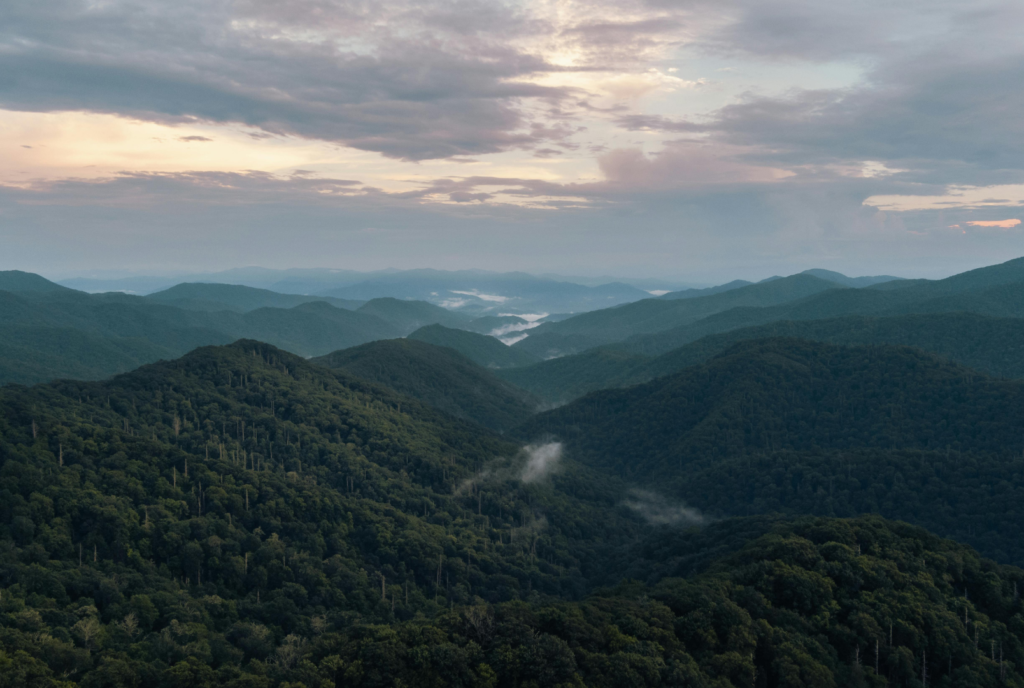
Nestled along the border of Tennessee and North Carolina, the Great Smoky Mountains National Park is one of the most iconic natural landscapes in the United States. Covering over 522,000 acres, this national park is renowned for its mist-shrouded mountains, rich biodiversity, and diverse ecosystems. It is a haven for nature enthusiasts, adventure seekers, and cultural history aficionados alike. Visitors are drawn to its lush temperate rainforests, cascading waterfalls, abundant wildlife, and scenic vistas that change with every season. The park is also famous for its historic Appalachian structures, including preserved log cabins, churches, and grist mills that provide a glimpse into early settler life.
For travelers planning an extended journey through the eastern United States, pairing a visit to the Great Smoky Mountains with the tranquil beauty of the Green Mountain National Forest (Vermont) offers an unparalleled experience. While the Smoky Mountains showcase the majestic charm of the southern Appalachians, the Green Mountain National Forest highlights Vermont’s serene peaks, verdant trails, and tranquil lakes. Together, these destinations provide a comprehensive perspective on the diversity of the United States’ natural landscapes.
The park is not only a natural wonder but also a cultural and historical landmark. It is recognized as a UNESCO Biosphere Reserve, reflecting its global ecological significance. The combination of mist-laden mountains, rich wildlife habitats, and historical settlements makes the Great Smoky Mountains National Park a premier destination for travelers seeking both adventure and educational experiences. From challenging backcountry hikes to gentle scenic drives, the park offers activities suitable for all types of visitors.
Best Time to Visit
Choosing the optimal time to visit the Great Smoky Mountains National Park depends largely on the type of experience desired. Spring, which spans March through May, brings vibrant wildflowers, rejuvenated streams, and mild temperatures ranging from 50 to 75 degrees Fahrenheit. This is an ideal season for hiking and wildlife observation, as many animals are more active during this period.
Summer, from June to August, offers warmer temperatures between 70 and 85 degrees Fahrenheit, perfect for higher elevation hikes and waterfall excursions. The park is generally busier in the summer months due to school vacations and public holidays, so early planning is recommended for accommodations and popular trail access.
Autumn, particularly September through November, is widely regarded as the most scenic season in the Smoky Mountains. The fall foliage paints the forest in hues of crimson, gold, and amber, offering breathtaking views from overlooks such as Clingmans Dome and Newfound Gap. Fall temperatures are generally mild, ranging from 50 to 70 degrees Fahrenheit, providing comfortable conditions for extended hikes and photography sessions.
Winter, from December through February, is quieter and less crowded. Although lower elevations experience milder temperatures averaging 30 to 50 degrees Fahrenheit, higher elevations can see snowfall that transforms the mountains into a serene winter landscape. Winter is ideal for visitors seeking solitude, snow-covered vistas, and the opportunity to experience wildlife in a less disturbed environment.
In 2025, park authorities introduced several seasonal programs, including guided fall foliage hikes and spring wildflower tours, which provide visitors with enriched educational experiences. Additionally, winter and early spring are excellent periods for birdwatching and observing migratory species that pass through the park.
How to Reach
The Great Smoky Mountains National Park is accessible via multiple transportation modes. For those traveling by air, the closest major airports are McGhee Tyson Airport (Tennessee), located near Knoxville, and Asheville Regional Airport (North Carolina). McGhee Tyson Airport is approximately one hour from the park’s main entrance at Gatlinburg, Tennessee, while Asheville Regional Airport is about one hour from Cherokee, North Carolina, providing convenient access from both sides of the park.
Travelers preferring rail services can utilize Amtrak, which connects major eastern cities to nearby stations in Knoxville and Asheville. While trains do not enter the park directly, connecting bus or rental car services provide seamless travel to trailheads and visitor centers.
For road travel, Interstate 40 runs east-west near the northern and southern park boundaries, offering direct access to multiple entrances. U.S. Route 441 passes through the park, connecting Gatlinburg in Tennessee to Cherokee in North Carolina, and is one of the most scenic drives in the United States. Visitors should be prepared for winding mountain roads and variable weather conditions, particularly during autumn and winter.
Bus services operate seasonally, including local shuttle routes from Gatlinburg, Pigeon Forge, and Cherokee to major park trailheads and attractions. Travelers opting for self-driving tours are encouraged to consult the park’s road map, available at visitor centers or online, to plan scenic routes and parking at key viewpoints. Additionally, bicycle enthusiasts can enjoy designated bike trails and paved roads, with caution advised on steeper sections.
Estimated Trip Cost
Planning a trip to the Great Smoky Mountains National Park requires consideration of multiple expense categories. Airfare from major cities in the United States typically ranges from $150 to $450 per person for a round trip, depending on departure location and season.
Accommodation costs vary based on type and proximity to the park. Budget-friendly options, such as motels and hostels in Gatlinburg or Cherokee, generally range from $70 to $120 per night. Mid-range hotels and lodges offer nightly rates between $150 and $250, featuring amenities such as heated pools, scenic views, and convenient park access. Luxury resorts and cabins, particularly those with private mountain vistas or hot tubs, can range from $300 to $600 per night.
Dining expenses depend on the choice of cuisine and location. Casual restaurants and diners charge approximately $10 to $25 per person for meals, while mid-range establishments range from $30 to $60 per person. Specialty dining, including farm-to-table or fine dining experiences, can exceed $75 per person.
Transportation within the park, including gas for rental vehicles or personal cars, is estimated at $50 to $100 per trip, depending on distances traveled and fuel efficiency. Shuttle services, available seasonally, charge modest fees ranging from $5 to $15 per ride.
Activities and entrance fees are largely free, as the park does not charge for general admission. Costs may arise for guided tours, wildlife programs, or specialized activities such as horseback riding and backcountry camping permits, which range from $10 to $25. Visitors should also budget for souvenirs, photography permits, and optional adventure equipment rentals, including hiking poles or bicycles.
In total, a moderate 5-day visit for two adults can cost approximately $1,200 to $2,000, including flights, accommodation, meals, and transportation. Longer or more luxurious trips may reach $3,000 or higher, depending on lodging preferences and activity choices.
Top Attractions and Activities
The Great Smoky Mountains National Park is home to numerous attractions and activities catering to a wide range of interests. Clingmans Dome, the highest point in the park at 6,643 feet, offers panoramic vistas of surrounding mountain ranges and is a favorite destination for photographers and hikers alike. The observation tower at the summit provides a 360-degree view, accessible via a paved but steep half-mile trail.
Cades Cove, a scenic valley surrounded by mountains, is another must-visit area. It is renowned for wildlife observation, including white-tailed deer, black bears, and wild turkeys. Cades Cove also preserves historical structures such as log cabins, churches, and mills, offering insight into early Appalachian life. The 11-mile Cades Cove Loop Road is popular for driving tours, cycling, and photography.
Waterfall enthusiasts will enjoy Laurel Falls, Abrams Falls, and Grotto Falls, each providing unique hiking experiences and opportunities for immersive nature photography. Many of the waterfalls are accessible via moderate trails ranging from one to five miles in length. Hidden gems, such as Spruce Flats Falls and Hen Wallow Falls, reward determined hikers with fewer crowds and more secluded natural beauty.
For wildlife enthusiasts, the park offers guided tours and ranger-led programs that highlight species diversity, conservation efforts, and ecological significance. The Appalachian Trail, which passes through the park, provides options for day hikes or extended backpacking adventures, with terrain ranging from gentle valleys to rugged ridges.
Scenic drives such as Newfound Gap Road, Roaring Fork Motor Nature Trail, and Blue Ridge Parkway extensions provide breathtaking views and access to overlooks, picnic areas, and trailheads. Photography, birdwatching, and leaf-peeping during the fall season are particularly rewarding along these routes.
Accommodation Options
Visitors have a variety of accommodation choices tailored to different budgets and preferences. Budget options include motels, hostels, and small inns located in nearby towns such as Gatlinburg, Pigeon Forge, and Cherokee. These establishments offer clean rooms, basic amenities, and convenient park access, making them ideal for travelers seeking cost-effective options.
Mid-range accommodations consist of lodges, bed and breakfasts, and cabin rentals. Many offer additional amenities such as hot tubs, scenic views, Wi-Fi, and complimentary breakfast. Popular mid-range lodging options include the Gatlinburg Inn, Cherokee Lodge, and cabins available through regional rental agencies.
Luxury accommodations provide a more immersive and indulgent experience. Mountain resorts and private cabins often include high-end amenities such as spa services, private decks, fireplaces, and access to guided tours or concierge services. Resorts such as Blackberry Farm and exclusive cabins near the park offer exceptional comfort, privacy, and access to panoramic mountain views.
Additionally, backcountry camping permits are available for experienced hikers seeking overnight wilderness adventures. Designated campsites and shelters provide basic facilities while ensuring minimal impact on the natural environment. Reservations are recommended during peak seasons, particularly summer and fall.
Local Food and Cuisine
The culinary offerings surrounding the Great Smoky Mountains National Park reflect the rich Appalachian heritage and locally sourced ingredients. Traditional Southern cuisine is prevalent, featuring dishes such as fried chicken, country ham, biscuits, and cornbread.
Visitors should sample regional specialties, including apple butter, mountain trout, and goulash-style stews made with local vegetables and meats. Farm-to-table establishments provide seasonal menus highlighting fresh produce and artisanal products. Popular restaurants in Gatlinburg and Pigeon Forge include the Pancake Pantry, Cherokee Grill, and The Park Grill, each offering unique dishes and mountain-inspired ambiance.
For those seeking casual dining, local bakeries and cafes offer freshly baked pastries, coffee, and light fare ideal for picnic lunches on hiking trails. Food festivals and farmers’ markets in nearby towns provide an opportunity to sample regional delicacies, homemade preserves, and locally roasted coffee beans.
Travel Tips and Safety Advice
Safety and preparedness are essential for a successful visit to the Great Smoky Mountains. Weather conditions can vary rapidly, especially at higher elevations, so visitors are advised to dress in layers and carry rain gear regardless of season. Hiking boots or sturdy footwear are recommended for trails that may be wet, rocky, or steep.
Wildlife safety is crucial. While observing animals such as black bears or deer is a highlight, visitors should maintain a safe distance, avoid feeding wildlife, and follow park guidelines. Rangers provide educational programs on wildlife behavior and best practices for minimizing human impact.
Cultural sensitivity is also important. The region has a rich Appalachian heritage, and visitors are encouraged to respect historical sites, trail etiquette, and local communities. Packing essentials should include water, snacks, a first-aid kit, trail maps, and a charged communication device.
In addition, seasonal considerations are important. During autumn, crowded conditions at popular viewpoints and trails necessitate early arrival. Winter visits require awareness of icy conditions and potential road closures. Spring and summer visitors should be prepared for higher humidity, insect activity, and occasional thunderstorms.
Itinerary Suggestions
Three-Day Itinerary:
Day One: Arrive in Gatlinburg, explore local shops, and visit the Sugarlands Visitor Center. Afternoon hike to Laurel Falls. Evening scenic drive along Newfound Gap Road.
Day Two: Early morning wildlife viewing at Cades Cove, followed by a hike to Abrams Falls. Lunch at local eateries in Townsend. Evening photography session at Clingmans Dome.
Day Three: Explore Roaring Fork Motor Nature Trail, short hikes to Grotto Falls, and depart via Cherokee, North Carolina.
Five-Day Itinerary:
Day One: Arrival, orientation, and local sightseeing in Gatlinburg.
Day Two: Cades Cove loop with multiple stops for wildlife and historical structures.
Day Three: Full day of hiking the Appalachian Trail sections and Spruce Flats Falls.
Day Four: Explore Clingmans Dome, Newfound Gap, and scenic overlooks. Optional guided ranger program or horseback ride.
Day Five: Visit waterfalls such as Hen Wallow Falls, lunch in Cherokee, and departure.
Seven-Day Itinerary:
Day One: Arrival and relaxation, orientation at visitor centers.
Day Two: Cades Cove loop, extended wildlife observation, photography.
Day Three: Full-day Appalachian Trail hike with overnight camping if desired.
Day Four: Explore Roaring Fork Motor Nature Trail, Grotto Falls, and local craft shops.
Day Five: Scenic drive along Newfound Gap Road, visit Clingmans Dome, and ranger-led educational program.
Day Six: Waterfall tour including Laurel Falls and Abrams Falls, optional canoeing or tubing in local rivers.
Day Seven: Cultural exploration of Cherokee, North Carolina, including museums, heritage sites, and local cuisine before departure.
Frequently Asked Questions
Is there an entrance fee for the park?
No, the Great Smoky Mountains National Park does not charge an entrance fee, though fees apply for certain activities and camping permits.
What is the best season to visit for fall foliage?
October through early November offers the most vibrant fall colors.
Are pets allowed on trails?
Pets are permitted only on paved roads and specific campgrounds; they are not allowed on hiking trails.
How many trails are in the park?
There are over 850 miles of trails, including sections of the Appalachian Trail.
Can I go camping in the park?
Yes, both frontcountry campgrounds and backcountry permits are available for overnight stays.
What wildlife can be seen?
Visitors may encounter black bears, deer, wild turkeys, and a variety of bird species.
Is the park wheelchair accessible?
Certain areas, including visitor centers and some paved trails, are accessible, but many trails are rugged and not suitable for wheelchairs.
Are guided tours available?
Yes, ranger-led programs and guided hikes are available seasonally and can be scheduled in advance.
What should I pack for a hike?
Essential items include water, sturdy shoes, layered clothing, a map, trail snacks, and a first-aid kit.
Is cell phone coverage available?
Coverage is limited in remote areas; it is advisable to plan routes and inform someone of your itinerary before venturing into backcountry trails.
Final Thoughts
The Great Smoky Mountains National Park embodies the grandeur and diversity of the southern Appalachian region. Its misty peaks, abundant wildlife, historical structures, and scenic trails create an immersive experience for travelers of all interests. Whether visiting for a short getaway or an extended exploration, the park offers countless opportunities to connect with nature, appreciate regional culture, and create lasting memories.
By planning carefully, respecting the natural and cultural heritage, and exploring both popular attractions and hidden gems, visitors can experience the full range of what the Smoky Mountains have to offer. Pairing a journey to this remarkable park with destinations such as the Green Mountain National Forest (Vermont) enhances the overall travel experience, providing contrast between the southern and northern Appalachian landscapes.
A trip to the Great Smoky Mountains National Park is more than a vacation. It is an opportunity to witness ecological richness, appreciate historical preservation, and immerse oneself in the serene beauty of nature. With proper preparation, thoughtful planning, and a spirit of adventure, every visitor can enjoy an unforgettable journey in one of America’s most treasured national parks.