
Great Lakes Travel Guide: Explore Scenic Adventures
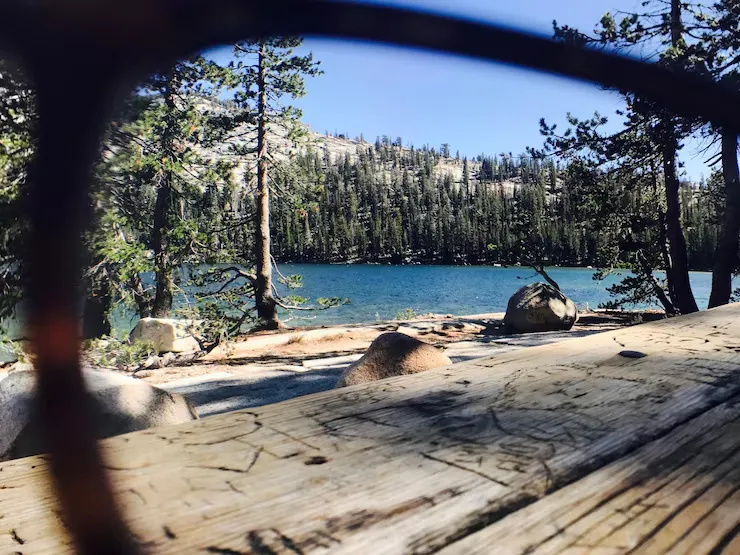
The Great Lakes, spanning the USA and Canada, are among the largest freshwater lakes in the world, forming a natural border between the two countries. Comprising Lake Superior, Lake Michigan, Lake Huron, Lake Erie, and Lake Ontario, the Great Lakes region is celebrated for its breathtaking scenery, vibrant waterfront cities, charming small towns, and abundant recreational activities. From pristine beaches to rugged cliffs, historic lighthouses to bustling marinas, the region offers a diverse array of experiences that attract travelers from around the globe. It is also an ideal location for road trips, eco-tourism, and water-based adventures. For those exploring lakes in the USA, you might also enjoy nearby destinations like Bass Lake, a serene getaway offering similar lakeside charm.
The Great Lakes region is not only a natural wonder but also a cultural hub. Each lake has its own unique character: Lake Superior is renowned for its rugged wilderness, Lake Michigan boasts iconic cities such as Chicago, and Lake Ontario’s shores are dotted with historic towns and the cosmopolitan city of Toronto. Visitors are drawn here for both relaxation and adventure, making it one of North America’s top multi-season travel destinations.
Best Time to Visit (Latest Info of 2025 Updates)
Spring (March to May 2025)
Spring in the Great Lakes region is ideal for nature enthusiasts. Blooming flowers, thawing rivers, and emerging wildlife create picturesque scenery. This season is perfect for hiking, biking, and scenic drives along the lakeshores. Tourist crowds are relatively light, and hotel rates remain affordable.
Summer (June to August 2025)
Summer is peak travel season, with warm temperatures perfect for boating, swimming, and fishing. Festivals, concerts, and waterfront events are in full swing. Cities like Chicago, Cleveland, Toronto, and Buffalo offer cultural attractions, street fairs, and lakefront entertainment. Be prepared for higher accommodation prices and busy marinas.
Autumn (September to November 2025)
Autumn offers breathtaking fall foliage along the lakes’ shores. Wine regions, especially around Lake Erie and Lake Ontario, are ideal for vineyard tours. Cooler temperatures make hiking, biking, and sightseeing comfortable, and the crowds begin to thin out.
Winter (December to February 2025/26)
Winter brings snow-covered landscapes perfect for winter sports. Lake Superior’s shores, in particular, attract snowmobilers and ice fishermen. Ski resorts near Lake Michigan and Lake Ontario provide options for snowboarding and skiing. Some attractions close in winter, so planning is essential.
How to Reach (Flights, Road, Train, Bus)
By Air
The Great Lakes region is served by multiple international airports, including:
- Chicago O’Hare (ORD) Lake Michigan
- Toronto Pearson International (YYZ) Lake Ontario
- Cleveland Hopkins (CLE) Lake Erie
- Duluth International Airport (DLH) Lake Superior
- Green Bay Austin Straubel (GRB) Lake Michigan access
Budget airlines such as Southwest, Spirit, and Air Canada provide affordable connections to smaller airports across the region.
By Road
The region is highly accessible via major highways:
- I-90: Connects Boston to Seattle, passing near Lake Erie and Lake Ontario.
- I-94: Runs through Chicago and Detroit along Lake Michigan.
- US-2 & US-41: Scenic routes along Lake Superior and Lake Michigan’s northern shores.
Car rentals are recommended for flexibility, particularly for exploring small towns and scenic byways.
By Train
Amtrak services connect major cities:
- Empire Builder (Chicago to Seattle) stops near Lake Superior.
- Lake Shore Limited (New York to Chicago) serves Lake Erie and Lake Ontario.
- Maple Leaf (New York to Toronto) crosses Lake Ontario’s northern corridor.
Train travel offers scenic vistas, especially along Lake Erie’s and Lake Ontario’s shorelines.
By Bus
Regional bus networks (Greyhound, Megabus, and regional operators) link the cities and smaller towns. Buses are economical but slower than trains or personal vehicles.
Estimated Trip Cost (Per Person for 7 Days)
Flights
- Domestic round-trip: $150 to $400
- International: $500 to $1,200 depending on departure location
Hotels
- Budget: $50 to $90 per night (motels, inns)
- Mid-range: $100 to $180 per night (boutique hotels, B&Bs)
- Luxury: $220 to $400 per night (resorts, lakeside hotels)
Food
- Budget: $25 to $40 per day (fast food, casual dining)
- Mid-range: $50 to $75 per day (restaurants, cafes)
- Luxury: $80 to $150 per day (fine dining, waterfront restaurants)
Transport
- Rental car + fuel: $350 to $600 per week
- Public transit: $50 to $100 per week
Activities
- Sightseeing, boat rentals, tours: $150 to $400
Total Estimated Cost: $1,200 to $2,400 budget to mid-range, $2,500 luxury
Top Attractions and Activities
Famous Attractions
- Niagara Falls (Lake Ontario border) Iconic waterfalls with boat tours and observation decks
- Mackinac Island (Lake Huron) Horse-drawn carriages and historic fortifications
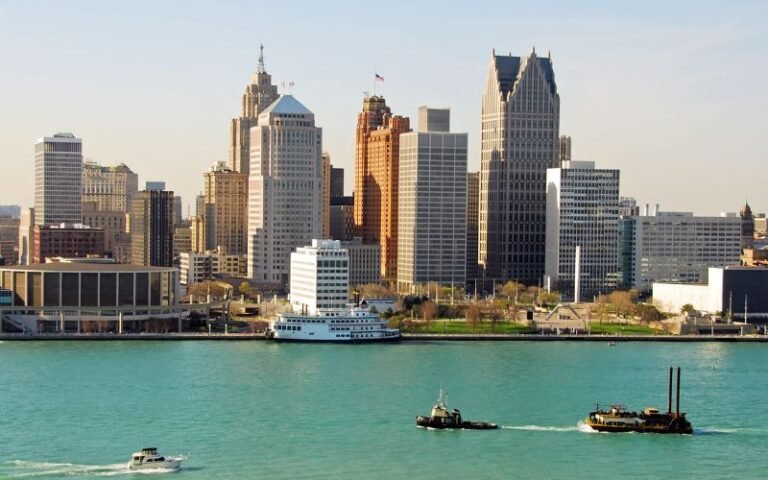
- Chicago Lakefront (Lake Michigan) Beaches, Navy Pier, and architectural tours
- Sleeping Bear Dunes (Lake Michigan) dunes with panoramic views
- Pictured Rocks National Lakeshore (Lake Superior): Dramatic cliffs and waterfalls
Hidden Gems
- Apostle Islands Sea Caves (Lake Superior) Kayaking and ice cave exploration
- Sandbanks Provincial Park (Lake Ontario) Secluded beaches and dunes
- Saugatuck Dunes (Lake Michigan) Quiet hiking trails
- Grand River Valley wineries (Lake Erie) Wine tasting with lake views
- Thousand Islands region (Lake Ontario) Castle tours and boat cruises
Recreational Activities
- Boating, kayaking, and canoeing
- Fishing (trout, salmon, bass)
- Hiking and cycling along lakeshore trails
- Wine tasting and culinary tours
- Birdwatching and wildlife photography
Accommodation Options
Budget
- Motels, hostels, and lakeside cabins ($50 to $90 per night)
- Examples: Super 8 (Chicago Lakeshore), YMCA hostels in Toronto, small inns near Lake Superior
Mid-Range
- Boutique hotels and B&Bs ($100 to $180 per night)
- Examples: Lakeview Inn (Erie), Grand Hotel on Mackinac Island
Luxury
- Resort hotels and waterfront properties ($220 to $400+)
- Examples: The Ritz-Carlton Chicago, Lodge on Lake Superior, Luxury suites in Niagara Falls
Local Food and Cuisine
Must Try Dishes
- Freshwater fish: Walleye, Perch, Salmon
- Local specialties: Deep-dish pizza (Chicago), BeaverTails pastries (Ontario)
- Regional favorites: BBQ in Cleveland, Maple treats in Ontario
Recommended Restaurants
- Chicago: Giordano’s, The Purple Pig
- Toronto: Canoe Restaurant, St. Lawrence Market eateries
- Niagara Falls: Skylon Tower dining, Queen Victoria Place
- Lake Erie shore towns: Local bistros and lakeside cafes
Travel Tips and Safety Advice
Weather and Clothing
- Pack layered clothing due to rapidly changing lakeshore weather
- Waterproof jackets and sturdy shoes for hiking and boat trips
Culture and Etiquette
- Tipping in restaurants: 15 to 20 percent
- Respect local wildlife and protected areas
- Photography is generally allowed in public areas, but check private properties.
Safety
- Follow boating regulations
- Ice and snow safety in winter
- Carry maps or GPS for remote areas
Itinerary Suggestions
3 Day Trip
- Day 1: Chicago (Lake Michigan), Navy Pier, lakefront beaches, architecture tour
- Day 2: Drive to Lake Erie, the Cleveland Rock and Roll Hall of Fame, and Lakeshore Drive
- Day 3: Niagara Falls boat tour, observation decks, local dining
5 Day Trip
- Day 1 to 2: Chicago and Lake Michigan activities
- Day 3: Mackinac Island (Lake Huron)
- Day 4: Lake Superior Pictured Rocks, Apostle Islands
- Day 5: Niagara Falls and nearby wineries
7 Day Trip
- Day 1 to 2: Chicago, Lake Michigan, city and lake attractions
- Day 3: Sleeping Bear Dunes and surrounding beaches
- Day 4: Lake Huron, Mackinac Island, forts
- Day 5: Lake Superior hiking and boat tours
- Day 6: Lake Erie, Cleveland, and regional attractions
- Day 7: Lake Ontario, Niagara Falls, Thousand Islands, wine tour
Final Thoughts
The Great Lakes region is a treasure trove of natural beauty, history, and cultural richness. From the bustling cityscapes of Chicago and Toronto to the quiet, pristine shores of Lake Superior and Lake Erie, this region offers something for every traveler. Whether seeking adventure, relaxation, or culinary exploration, the Great Lakes provide unforgettable experiences for families, solo travelers, and couples alike. Incorporating destinations like Bass Lake into your North American lake itinerary can further enrich your journey, offering a complementary lakeside experience.
The combination of adventure, relaxation, and culture makes the Great Lakes one of the most versatile and appealing travel destinations in North America. Careful planning regarding timing, accommodations, and activities ensures that every traveler can make the most of this diverse region.
FAQs
Are the Great Lakes safe for swimming?
Yes, most beaches are monitored in summer; check local advisories for water quality.
Can I visit the Great Lakes in winter?
Yes, winter offers snow sports, but some areas may be inaccessible.
Are there guided tours?
Yes, city tours, boat cruises, and adventure excursions are widely available.
Do I need a visa for the Canadian lakes?
Yes, international travelers require a valid visa or eTA for Canada.
Is it possible to drive the entire Great Lakes region?
Yes, highways and scenic byways connect all five lakes, but plan for several days.
Citation
Wikipedia contributors. (n.d.). Great Lakes. In Wikipedia, The Free Encyclopedia. Retrieved September 5, 2025, from https://en.wikipedia.org/wiki/Great_Lakes
One Comment