
Glacier Bay National Park
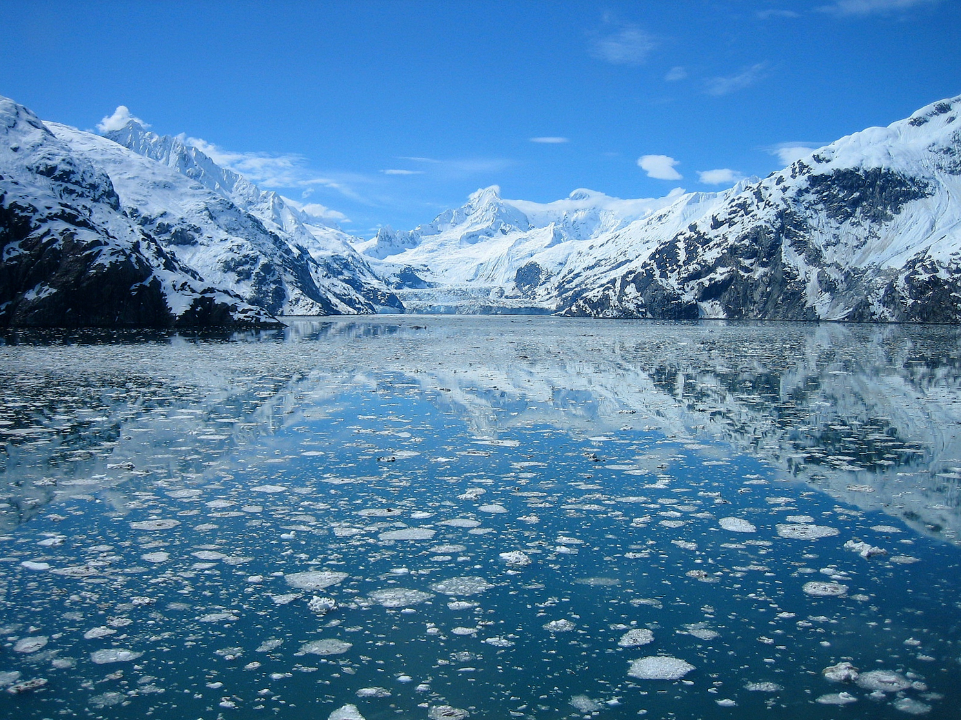
Nestled deep within the icy wilderness of southeastern Alaska lies one of the most awe-inspiring landscapes in North America. The region stands as a magnificent testament to the power of nature, offering travelers a glimpse into a world sculpted by glaciers, enriched with wildlife, and filled with stories of exploration and preservation. The park is located west of Juneau and forms part of the vast expanse of the Alaskan panhandle, surrounded by the immense beauty of fjords, towering snow-covered peaks, and blue ice walls that calve thunderously into the sea.
It is an emblem of both geological wonder and ecological diversity, covering more than three million acres of pristine wilderness. Visitors are drawn here not only for its spectacular scenery but also for the profound sense of solitude and connection to nature that it inspires. Each glacier tells a story of the Earth’s transformation, and every fjord echoes with the call of whales and seabirds that have thrived in these waters for centuries.
For travelers who are passionate about exploring America’s natural treasures, this destination often becomes a once-in-a-lifetime journey. Many also include a visit to Watkins Glen State Park, known for its spectacular gorges and waterfalls, to complement their itinerary of exploring the United States’ most beautiful protected landscapes. Together, such places represent the very essence of natural beauty and conservation across the nation.
The allure of this Alaskan wonder lies not only in its breathtaking views but also in its untouched character. It remains one of the few places where visitors can witness the raw forces of nature still actively shaping the Earth. Whether you arrive by ship, plane, or kayak, the experience is profoundly humbling and transformative.
Best Time to Visit
When planning a trip to this spectacular park, timing plays a crucial role in ensuring an unforgettable experience. The best time to visit generally spans from late May to early September, when the Alaskan summer provides mild temperatures, accessible waterways, and extended daylight hours.
During this period, the average daytime temperature ranges between 50 and 60 degrees Fahrenheit. The ice begins to melt, allowing ships and boats to navigate through the fjords. The landscape bursts into life, as lush greenery contrasts beautifully with the icy blues of glaciers. Humpback whales, orcas, sea otters, and seals can often be spotted during this season, providing photographers and nature enthusiasts with unparalleled opportunities to witness marine wildlife in their natural habitat.
In 2025, it is expected that climate conditions will remain favorable for visitors during the traditional summer months, although some melting patterns of glaciers have shifted slightly due to global temperature variations. Early June and late August continue to be the most picturesque times for those seeking fewer crowds while still enjoying favorable weather.
Winter travel, while possible, is reserved for the truly adventurous. From October to April, access becomes limited due to ice and extreme cold. However, the rewards include witnessing an untouched frozen paradise and possibly the mesmerizing northern lights illuminating the night sky.
For travelers seeking a balance between comfort and adventure, mid-July often offers the most ideal combination of calm seas, active wildlife, and stunning glacier visibility.
How to Reach
Reaching this park requires thoughtful planning, as it is located in one of the most remote regions of the United States. The journey itself, however, is part of the adventure, taking visitors through some of Alaska’s most scenic routes.
By Air:
The nearest major city is Juneau, which is accessible via direct flights from Anchorage, Seattle, and other U.S. hubs. From Juneau, travelers can take a short flight to Gustavus, the gateway community to the park. Alaska Airlines and several small charter services operate regular flights connecting these destinations. The Gustavus Airport is located about ten miles from the visitor center.
By Sea:
Many visitors arrive by cruise ships or smaller expedition vessels that include the park in their itinerary. Cruising through the Inside Passage offers one of the most breathtaking approaches imaginable. Passengers can witness whales breaching, seals resting on ice floes, and glaciers calving from the comfort of the ship. For independent travelers, the Alaska Marine Highway System provides ferry services between Juneau and Gustavus.
By Road and Train:
There are no direct roads connecting the park to other Alaskan cities due to its isolated geography. However, visitors can combine scenic routes by taking the Alaska Railroad to reach connecting ports and then proceeding by ferry or plane. Bus services are minimal in this remote region, but guided tours often include organized transport as part of their packages.
Once in Gustavus, visitors can reach the Bartlett Cove area, where the main visitor center and lodges are located. Kayaking and guided boat tours are popular ways to explore the park’s waterways and glaciers up close.
Estimated Trip Cost
Planning a trip to Alaska can vary significantly in cost depending on travel style, duration, and season. Below is an estimated breakdown for 2025 travelers:
Flights:
Round-trip airfare from major U.S. cities such as Seattle or Los Angeles to Juneau typically ranges from 500 to 900 United States dollars during peak season. From Juneau to Gustavus, expect an additional 150 to 250 United States dollars for a local flight.
Accommodation:
- Budget travelers can expect to spend around 80 to 120 United States dollars per night for local inns or cabins.
- Mid-range travelers may spend between 180 and 250 United States dollars per night for comfortable lodges near Bartlett Cove.
- Luxury travelers can choose exclusive wilderness lodges offering full-board services, costing approximately 400 to 800 United States dollars per night.
Food and Dining:
Meals in Gustavus and nearby lodges range from 20 to 60 United States dollars per person d,, depending on the restaurant. Most lodges offer inclusive dining packages that feature locally sourced seafood and traditional Alaskan dishes.
Transportation and Tours:
Boat excursions, glacier cruises, and kayaking tours range between 150 and 400 United States dollars per person. Private guided tours are available for around 600 to 1000 United States dollars, depending on duration and inclusions.
Overall Estimated Trip Cost:
For a comfortable 5 to 7-day visit, travelers can expect to spend between 2500 and 4500 United States dollars per person, covering transportation, accommodation, meals, and guided experiences.
Top Attractions and Activities
The park offers a wealth of attractions that captivate every type of traveler, from photographers to adventure seekers.
1. Glacier Viewing:
The primary highlight of the park is its majestic glaciers, including Margerie Glacier, Lamplugh Glacier, and Johns Hopkins Glacier. Witnessing the thunderous calving of ice into the sea is an unforgettable sight.
2. Bartlett Cove:
This is the only developed area in the park and serves as a hub for visitors. The Glacier Bay Lodge, visitor center, and ranger-led programs are located here. The surrounding trails and beaches offer excellent opportunities for peaceful walks and wildlife observation.
3. Kayaking Adventures:
Exploring the icy fjords by kayak allows travelers to experience the landscape from a unique and intimate perspective. Many guided tours cater to beginners as well as experienced paddlers.
4. Whale Watching:
During the summer months, the waters of Glacier Bay are home to humpback whales that migrate from Hawaii. Seeing these magnificent creatures breach the surface is among the most cherished experiences for visitors.
5. Wildlife Encounters:
The park’s diverse ecosystem includes sea otters, harbor seals, mountain goats, bears, and numerous bird species. The marine environment supports one of the richest concentrations of wildlife in the region.
6. Mount Fairweather:
One of the highest peaks in the state of Alaska, Mount Fairweather, dominates the skyline and provides a breathtaking backdrop for photographers.
7. Hidden Gems:
For those seeking solitude, remote inlets such as Muir Inlet and Tidal Inlet provide serene kayaking and camping experiences away from the main tourist areas.
Accommodation Options
Accommodation options within and around the park are limited but cater to a variety of travelers.
Budget:
Gustavus Campground and Glacier Bay Hostel offer affordable stays for backpackers. Basic amenities and shared facilities are available, but the true reward lies in their proximity to nature.
Mid-Range:
Glacier Bay Lodge, located at Bartlett Cove, offers comfortable rooms with direct access to guided tours and park activities. The lodge also features an on-site restaurant overlooking the water.
Luxury:
High-end wilderness lodges and eco-resorts offer exclusive stays, complete with private excursions, gourmet meals, and helicopter sightseeing options. These lodges emphasize sustainability and personalized service.
Glacier Bay National Park in Alaska is a remarkable protected wilderness known for its immense tidewater glaciers, deep fjords, and exceptional marine biodiversity. The park provides visitors with unique opportunities to observe glacier calving, explore pristine coastal ecosystems, and encounter wildlife such as humpback whales, sea lions, and seabirds. Due to its remote location, most visits are conducted by boat or cruise, allowing for an immersive experience in one of the most untouched landscapes in North America. Comprehensive information on planning, attractions, and visitor experiences is available in this detailed guide to Glacier Bay National Park.
Local Food and Cuisine
The bounty of the sea deeply influences Alaskan cuisine. Travelers can savor fresh salmon, halibut, and crab prepared in traditional and modern styles.
Must Try Dishes:
- Alaskan King Crab Legs
- Smoked Salmon
- Halibut Chowder
- Wild Berry Pie
Recommended Restaurants:
- Gustavus Inn: Known for its farm-to-table menu and locally caught seafood.
- Crabby Lady’s Café: Offers a casual dining experience with a focus on crab and fish dishes.
- Glacier Bay Lodge Restaurant: Provides scenic dining with a panoramic view of the cove.
Local dishes often emphasize sustainability, with ingredients sourced directly from nearby waters and forests.
Travel Tips and Safety Advice
- Always check weather forecasts before embarking on glacier or kayaking tours, as sudden changes can occur.
- Carry layers of clothing, waterproof jackets, and sturdy boots suitable for wet and cold conditions.
- Respect wildlife by maintaining a safe distance and following park regulations.
- Pack binoculars and a good camera to capture the diverse flora and fauna.
- Use insect repellent during the summer months, particularly near marshy areas.
- Cash and credit cards are accepted, but facilities may be limited in remote zones.
Travelers should also remain environmentally conscious by minimizing waste and adhering to Leave No Trace principles.
Itinerary Suggestions
3 Day Plan:
Day 1: Arrival in Gustavus, orientation at Bartlett Cove, and evening walk along the shore.
Day 2: Full-day glacier cruise to Margerie Glacier and Johns Hopkins Inlet.
Day 3: Kayaking or short hiking before departure.
5 Day Plan:
Day 1: Arrive in Gustavus and explore the local town.
Day 2: Guided glacier cruise and wildlife viewing.
Day 3: Whale watching tour and visit to the Glacier Bay Visitor Center.
Day 4: Kayaking adventure and picnic near Bartlett River.
Day 5: Relaxation and departure.
7 Day Plan:
Day 1: Arrival and orientation.
Day 2: Boat cruise through Glacier Bay.
Day 3: Kayaking in Muir Inlet.
Day 4: Whale watching and wildlife photography.
Day 5: Hiking at Bartlett Cove and a cultural talk by park rangers.
Day 6: Visit remote inlets and scenic points.
Day 7: Leisure day and departure.
Final Thoughts
Visiting Glacier Bay is not just a journey through scenic beauty; it is a voyage into the heart of Earth’s natural story. The glaciers, wildlife, and wilderness together form a living museum that continues to evolve. Every sound of cracking ice and every ripple in the fjord reminds visitors of the fragile yet magnificent balance of our planet.
Travelers leave with more than photographs; they depart with renewed respect for nature’s grandeur and the deep desire to protect it. Whether you are a seasoned explorer or a first-time visitor, this journey will remain etched in memory forever.
Frequently Asked Questions
What is the best way to explore the park?
Boat tours and kayaking provide the most comprehensive experience.
Can I camp inside the park?
Yes, designated areas allow camping with a permit.
Are there bears in the park?
Yes, both black and brown bears inhabit the region, so safety guidelines should be followed.
Is it suitable for families?
Yes, with guided tours and safe lodging options, it is ideal for family trips.
How far is it from Juneau?
Approximately 65 miles by air.


One Comment