

Exploring Olympic National Park
Olympic National Park is one of the most captivating and diverse natural landscapes in the United States. Located in the northwestern corner of Washington State, this UNESCO World Heritage Site and International Biosphere Reserve is celebrated for its dramatic contrasts, ranging from rugged Pacific coastlines and lush temperate rainforests to snow-capped mountain ranges. The park’s vast wilderness spans nearly one million acres, making it a haven for travelers who seek adventure, tranquility, and a close connection with nature. Whether you are interested in wildlife spotting, backcountry hiking, cultural history, or simply immersing yourself in natural beauty, Olympic National Park offers it all. In this guide, we will take you through every detail you need to plan a remarkable journey to this extraordinary destination, while also highlighting how other American icons, such as the Magic Kingdom Theme Park in Orlando, capture a different yet equally enchanting travel experience.
Best Time to Visit
Choosing the right time to visit Olympic National Park significantly enhances the overall experience, as weather patterns and seasonal highlights vary greatly across its ecosystems.
- Spring (March to May 2025): Spring brings vibrant wildflowers to the alpine meadows, particularly in Hurricane Ridge. The waterfalls are at their most powerful due to snowmelt. Temperatures are mild, though rain is frequent in rainforest regions. Wildlife viewing is excellent, as elk, deer, and black bears emerge from winter dormancy.
- Summer (June to September 2025): Summer is the most popular season, attracting visitors with its sunny weather, snow-free trails, and accessible mountain passes. July and August offer the best opportunities for high-elevation hiking, camping, and mountain viewing. Coastal regions enjoy pleasant conditions with cool breezes. Expect crowds in popular areas, so early reservations are recommended.
- Autumn (October to November 2025): Fall transforms the park into a canvas of golden and crimson foliage. The Hoh Rainforest glows with autumn colors, while wildlife activity increases as animals prepare for winter. Temperatures drop but remain comfortable for hiking. Fewer crowds make this a serene time to explore.
- Winter (December 2025 to February 2026): Winter is a quiet and magical season, especially for those who love snow sports. Hurricane Ridge becomes a hub for skiing, snowshoeing, and snowboarding. Lowland areas, including coastal trails and rainforests, remain accessible and offer unique, misty, tranquil landscapes. Winter travelers must prepare for limited accessibility and weather-related closures.
Overall, the best time to visit depends on your interests. Summer is ideal for hiking and panoramic mountain views, while spring and autumn are perfect for those who appreciate vibrant colors and fewer crowds. Winter caters to snow enthusiasts and solitude seekers.
How to Reach
Getting to Olympic National Park is part of the adventure, as the journey offers picturesque views of Puget Sound, mountain ranges, and charming small towns.
By Air
The nearest major airport is Seattle-Tacoma International Airport (SEA), located about 130 miles from the park. From there, you can rent a car or take shuttle services to reach various park entrances. Smaller regional airports such as William R. Fairchild International Airport in Port Angeles provide closer access.
By Road
Most visitors travel by car, as the park is surrounded by U.S. Highway 101, which loops around the Olympic Peninsula and provides access to different entrances. Driving from Seattle involves crossing Puget Sound via ferries or bridges. The drive is scenic, with options to stop at towns like Sequim, Port Townsend, and Forks.
By Train and Bus
While there is no direct train service to the park, Amtrak provides routes to Seattle. From there, Greyhound and regional buses operate services to nearby towns such as Port Angeles. Clallam Transit and Jefferson Transit also provide local bus services around the peninsula, though exploring the park itself requires a car.
By Ferry
Washington State Ferries offer an iconic way to reach the Olympic Peninsula. Routes from Seattle, Edmonds, or Tacoma connect travelers to Kingston, Bainbridge Island, and Bremerton, all of which provide road access to the park.
Estimated Trip Cost
Budgeting for a trip to Olympic National Park depends on your travel style, accommodation preferences, and activities. Below is an estimated cost breakdown for a 5-day visit in 2025:
- Flights: Round-trip airfare to Seattle ranges from 300 to 600 USD, depending on the departure city and season.
- Accommodation:
- Budget (campsites, hostels, motels): 30 to 80 USD per night.
- Mid-range (lodges, inns, cabins): 120 to 200 USD per night.
- Luxury (resorts, private vacation rentals): 250 to 500 USD per night.
- Food: Daily meals average 40 to 100 USD, depending on dining choices. Local diners and cafes are more affordable, while resort dining is higher.
- Transport: Car rentals typically cost 50 to 100 USD per day, plus fuel. Ferry rides cost an additional 10 to 25 USD per person.
- Activities: Entrance fees to the park are 30 USD per vehicle for a seven-day pass. Guided tours, kayaking, or special excursions may range from 50 to 200 USD per person.
- Total Estimated Cost for 5 Days:
- Budget Traveler: 800 to 1200 USD
- Mid-range Traveler: 1500 to 2500 USD
- Luxury Traveler: 3000 to 5000 USD
Top Attractions and Activities
Olympic National Park is renowned for its diversity, offering coastal wonders, rainforest immersion, mountain exploration, and cultural encounters.
- Hurricane Ridge: A popular year-round destination offering sweeping views of the Olympic Mountains, wildflower meadows in summer, and snow sports in winter.
- Hoh Rainforest: A magical ecosystem with moss-draped trees, ferns, and rich biodiversity. The Hall of Mosses Trail and Spruce Nature Trail are must-do hikes.
- Rialto Beach and Second Beach: Stunning coastal stretches featuring sea stacks, tide pools, and dramatic sunsets. These are also prime spots for photography.
- Lake Crescent: A glacially carved lake known for its crystal-clear waters and kayaking opportunities. Nearby Marymere Falls adds to its charm.
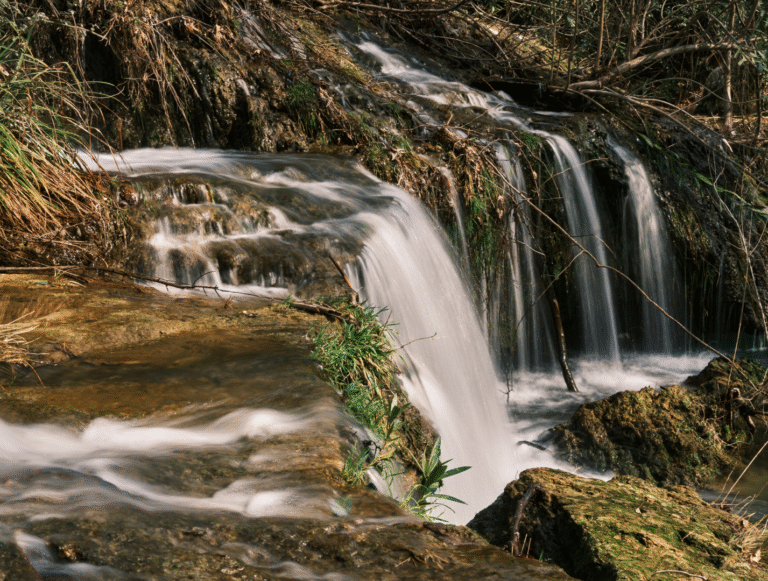
- Sol Duc Valley: Famous for hot springs, waterfalls, and lush forest trails. It is an excellent spot for relaxation and short hikes.
- Mount Olympus: The park’s highest peak attracts experienced mountaineers for challenging climbs.
- Wildlife Viewing: Elk, black bears, mountain goats, bald eagles, and even whales along the coast highlight the park’s rich biodiversity.
- Cultural Heritage: The region is home to Native American tribes, including the Hoh, Makah, Quileute, and Quinault peoples. Cultural centers and heritage sites offer insight into their traditions.
Accommodation Options
Olympic National Park provides accommodation to suit every budget and preference.
- Budget: Campgrounds such as Hoh, Mora, and Kalaloch offer affordable stays. Hostels and budget motels are available in towns like Port Angeles and Forks.
- Mid-range: Cozy lodges such as Lake Crescent Lodge and Sol Duc Hot Springs Resort provide comfort and proximity to attractions. Vacation rentals and inns in nearby towns offer family-friendly options.
- Luxury: Exclusive retreats, boutique resorts, and private cabins provide high-end experiences with amenities like spa services, fine dining, and guided excursions.
Local Food and Cuisine
The Olympic Peninsula is rich in culinary diversity, with local flavors influenced by coastal resources and farming traditions.
- Seafood Specialties: Freshly caught salmon, halibut, Dungeness crab, and oysters are local delicacies.
- Farm-to-Table Dining: Restaurants highlight organic produce, artisan cheeses, and locally brewed beverages.
- Popular Restaurants:
- Nourish Sequim: Known for organic, farm-fresh meals.
- Lake Crescent Lodge Dining Room: Scenic lakefront dining with regional cuisine.
- Bella Italia in Port Angeles: Famous for Italian dishes with a local twist.
Travel Tips and Safety Advice
- Weather Preparation: Carry layered clothing as temperatures vary between the coast, rainforest, and mountains. Waterproof gear is essential in rainforest regions.
- Wildlife Safety: Maintain a safe distance from wildlife and store food securely to avoid encounters with bears.
- Navigation: Cell service is limited in many areas. Carry physical maps or download offline versions.
- Permits and Reservations: Backcountry camping requires permits. Popular lodges and campgrounds should be reserved months in advance.
- Cultural Respect: Respect Native American lands and traditions when visiting cultural sites.
Itinerary Suggestions
3 Day Itinerary
- Day 1: Explore Hurricane Ridge and Lake Crescent.
- Day 2: Visit Hoh Rainforest and Sol Duc Valley.
- Day 3: Relax on Rialto Beach and Second Beach before departing.
5 Day Itinerary
- Day 1: Hurricane Ridge hiking.
- Day 2: Lake Crescent and Marymere Falls.
- Day 3: Hoh Rainforest trails.
- Day 4: Sol Duc Hot Springs and Valley.
- Day 5: Coastal exploration at Kalaloch and Rialto Beach.
7 Day Itinerary
- Days 1 to 2: Hurricane Ridge and highland trails.
- Days 3 to 4: Hoh Rainforest and Quinault Rainforest.
- Day 5: Lake Crescent and kayaking.
- Day 6: Sol Duc Valley hot springs and waterfalls.
- Day 7: Coastal hikes and Native American heritage sites.
Final Thoughts
Olympic National Park is a treasure trove of natural beauty and cultural richness, offering travelers an unforgettable journey through diverse ecosystems. From the snow-clad Olympic Mountains to the lush rainforests and rugged coastline, the park invites exploration at every turn. By planning carefully, respecting nature, and embracing local culture, you will experience one of the most rewarding adventures in the United States.
FAQs
How large is Olympic National Park?
The park covers nearly one million acres, encompassing diverse ecosystems.
Are pets allowed in Olympic National Park?
Pets are allowed in limited areas such as campgrounds, picnic areas, and some trails, but restrictions apply to protect wildlife.
Is camping available inside the park?
Yes, the park has multiple campgrounds, both reservable and first-come, first-served.
Do I need a permit for hiking?
Day hikes do not require permits, but overnight backcountry camping does.
Is the park accessible year-round?
Yes, although accessibility varies with the weather. Summer provides the most access, while winter is limited to certain areas like Hurricane Ridge.


One Comment