
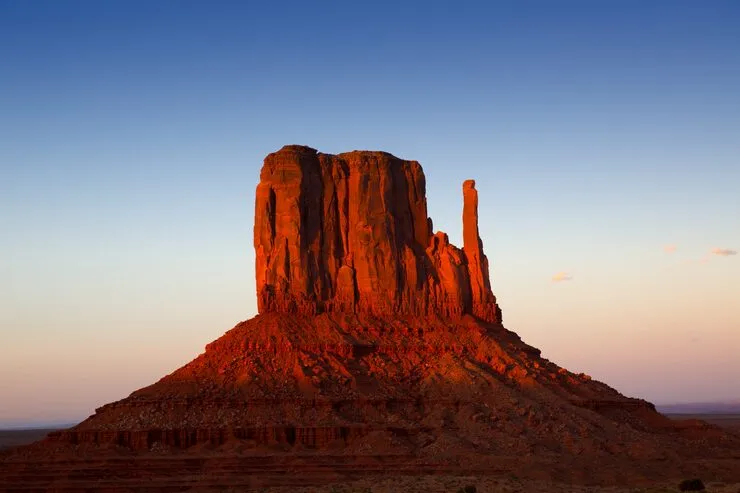
Devils Tower National Monument
Devils Tower National Monument, often referred to as a park, is one of the most iconic natural landmarks in the United States, situated in northeastern Wyoming. Rising dramatically from the rolling prairies and pine forests of the Black Hills region, this striking monolith is both a geological wonder and a sacred site for many Native American tribes. The monument was designated in 1906 by President Theodore Roosevelt as the country’s first official national monument. Its cultural, historical, and natural significance continues to draw travelers, climbers, and history enthusiasts from all over the world. For visitors planning a journey to this remarkable destination, it is often paired with nearby attractions such as Rocky Mountain National Park, making it an essential stop on a broader adventure through the American West.
Best Time to Visit
The ideal time to visit Devil’s Tower is during the late spring, summer, and early autumn months. From May through September, the weather is generally warm, with average daytime temperatures ranging from 70 to 85 degrees Fahrenheit. These months provide excellent conditions for hiking, rock climbing, and photography.
Spring brings blooming wildflowers and fresh greenery, offering scenic beauty along the trails. Summer is the busiest season, especially in July and August, when climbing festivals and cultural gatherings take place. Autumn, from September through October, brings cooler air and fewer crowds, along with colorful foliage across the surrounding landscapes.
Winter is less favorable for casual travelers due to cold temperatures, occasional snow, and limited services. However, adventurous visitors who enjoy solitude may find the frosty landscapes and snow-draped tower especially magical. In 2025, the National Park Service will update its visitor facilities to include new facilities, upgraded restroom areas, and improved ranger-led programs, making all seasons more comfortable for exploration.
How to Reach
Devils Tower National Monument is accessible by road, and most travelers arrive by car or tour bus.
- By Air: The closest major airports are Rapid City Regional Airport in South Dakota, approximately 110 miles away, and Gillette-Campbell County Airport in Wyoming, about 65 miles away. From these airports, visitors can rent cars or join guided tours.
- By Road: Interstate 90 is the primary highway used to reach the monument. From I-90, travelers can take U.S. Highway 14 or U.S. Highway 14A, followed by Wyoming Highway 24, which leads directly to the entrance. The scenic byways along the route pass through the Black Hills, offering breathtaking views.
- By Bus or Train: Long-distance buses reach nearby towns such as Gillette or Sundance, but local transportation to the monument must usually be arranged separately. Train services do not directly connect to the monument, so road travel is the most reliable option.
Estimated Trip Cost
The cost of visiting Devil’s Tower depends on the length of stay, type of accommodation, and planned activities. Below is a breakdown for a three to five-day trip:
- Flights: Depending on the departure city, flights to Rapid City or Gillette generally range from 250 to 600 United States dollars round-trip.
- Accommodation: Budget motels and campgrounds range from 40 to 100 United States dollars per night. Mid-range hotels in nearby towns such as Sundance or Hulett cost between 120 and 200 United States dollars per night. Luxury options are limited, but some upscale lodges and cabins can be found in the region for 250 to 400 United States dollars per night.
- Food: Travelers can expect to spend about 30 to 50 United States dollars per person daily for meals. Local diners and cafes are affordable, while higher-end restaurants in nearby cities cost more.
- Transport: Rental cars average 50 to 80 United States dollars per day. Gasoline and parking fees should also be factored into the budget.
- Activities: Entrance fees to the monument are modest, around 25 United States dollars per vehicle for a seven-day pass. Guided tours, climbing permits, or cultural programs may add 20 to 100 United States dollars per activity.
On average, a traveler can expect to spend between 800 and 1,500 United States dollars for a moderate three-day visit, excluding flights.
Top Attractions and Activities
Devils Tower National Monument offers a range of attractions and activities suited to different interests.
- The Tower Trail: A popular 1.3-mile loop trail that circles the base of the monument, providing close-up views of the massive columns and opportunities to spot wildlife such as deer, prairie dogs, and birds of prey.
- Rock Climbing: Devils Tower is world-renowned for climbing, with hundreds of routes ranging from beginner to advanced. Climbers from around the globe visit to test their skills on the monument’s vertical columns.
- Prairie Dog Town: A charming and lively area where visitors can observe prairie dogs in their natural habitat. These social animals are entertaining to watch, particularly for families.
- Ranger-led Programs: Throughout the warmer months, the National Park Service offers cultural demonstrations, night sky programs, and educational talks about geology, history, and Native American traditions.
- Cultural Significance: The monument is sacred to many Native American tribes, including the Lakota, Cheyenne, and Kiowa. Visitors can learn about its spiritual importance through interpretive exhibits and seasonal ceremonies.
- Photography and Stargazing: The dramatic landscape is ideal for photography, especially during sunrise and sunset. The dark skies around the monument also provide excellent stargazing opportunities.
- Nearby Attractions: Travelers often combine a visit to Devils Tower with trips to the Black Hills of South Dakota, Mount Rushmore, and Custer State Park.
Accommodation Options
Although accommodations within Devils Tower National Monument are limited, nearby towns provide a range of choices.
- Budget: Campgrounds such as the Belle Fourche River Campground offer affordable stays with basic amenities. Motels in towns like Hulett and Sundance provide budget-friendly lodging.
- Mid-Range: Hotels and lodges in the area, including rustic cabins and family-run inns, offer comfortable rooms and access to local dining.
- Luxury: Upscale lodges and resorts are more common in the Black Hills region, which is within driving distance. These establishments provide spacious accommodations, fine dining, and guided tour packages.
Local Food and Cuisine
Visitors will find a mix of local diners, cafes, and restaurants in nearby towns. Classic American fare, including burgers, steaks, and barbecues, is widely available. Regional specialties include bison burgers, fresh trout, and hearty stews that reflect the area’s western heritage.
- Recommended Restaurants:
- Ponderosa Café in Hulett: Known for its steaks and rustic atmosphere.
- Longhorn Saloon and Grill in Sundance offers both casual and hearty meals.
- Local Cafes: Small cafes provide breakfast, sandwiches, and pastries, ideal for travelers heading out early to the monument.
Travel Tips and Safety Advice
- Weather Preparation: Summers can be hot, and winters are often snowy and cold. Travelers should bring layered clothing, sun protection, and sufficient water supplies.
- Wildlife Safety: While prairie dogs are friendly to observe, travelers should not feed them or any other wildlife. Always maintain a safe distance.
- Cultural Respect: Devils Tower holds deep spiritual meaning for Native American tribes. Visitors are encouraged to show respect during ceremonies or when encountering prayer cloths and offerings around the site.
- Climbing Regulations: Some climbing routes are closed during June to honor Native American cultural practices. Climbers should check regulations before planning ascents.
- Packing Tips: Comfortable walking shoes, hats, reusable water bottles, and cameras are essential for exploring the monument.
Itinerary Suggestions
3 Day Plan
- Day 1: Arrive at Devil’s Tower, explore the Tower Trail, and attend a ranger-led program.
- Day 2: Engage in rock climbing or hiking, visit Prairie Dog Town, and enjoy stargazing in the evening.
- Day 3: Explore nearby Black Hills attractions or participate in a cultural learning program.
5 Day Plan
- Days 1 to 2: Explore Devils Tower in detail with climbing, photography, and guided tours.
- Day 3: Visit Mount Rushmore and Custer State Park.
- Day 4: Discover Spearfish Canyon and Deadwood, South Dakota.
- Day 5: Return to Devils Tower for sunrise views before departing.
7 Day Plan
- Days 1 to 3: Comprehensive exploration of Devils Tower, including multiple hikes and cultural programs.
- Days 4 to 5: Excursion to the Black Hills, Mount Rushmore, and Badlands National Park.
- Day 6: Visit Sheridan and the Bighorn National Forest.
- Day 7: Return to Devils Tower for a reflective visit before departure.
Final Thoughts
Devils Tower National Monument, often called a park, is not only a geological masterpiece but also a cultural landmark that offers something for every traveler. From hiking and climbing to exploring Native American traditions, the monument provides a journey into both natural beauty and spiritual history. Its accessibility and range of activities make it suitable for families, adventurers, and cultural enthusiasts alike. Pairing a visit here with nearby attractions ensures a complete and enriching experience in the American West.
FAQs
What is Devil’s Tower National Monument famous for?
It is famous for its unique geological formation, cultural significance to Native American tribes, and popularity as a rock climbing destination.
How long should I spend at Devil’s Tower?
A single day is sufficient to explore the main trails and attractions, but a two to three-day visit allows for a more relaxed experience.
Can you climb Devil’s Tower?
Yes, climbing is permitted on designated routes except during June when some closures are observed to respect cu, cultural traditions.
Are pets allowed?
Pets are allowed in specific areas but must be leashed. They are not permitted on certain trails.
What is the nearest town to Devil’s Tower?
Hulett, Wyoming, is the closest town, located just nine miles away.


One Comment