

Denali National Park and Preserve Travel Guide
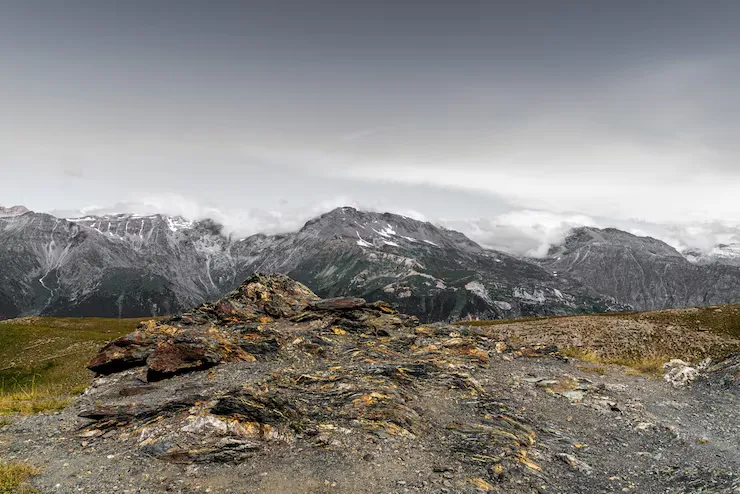
Denali National Park and Preserve, located in the heart of Alaska, is one of the most iconic wilderness areas in the United States. Spanning over six million acres, it is home to North America’s tallest peak, Mount Denali, which rises majestically to 20,310 feet above sea level. The park is celebrated for its vast, untamed landscapes, diverse wildlife, and unparalleled opportunities for adventure and exploration. From snow-capped peaks to expansive tundra, Denali offers a wilderness experience unlike any other national park in the country.
The park was originally established as Mount McKinley National Park in 1917 and later renamed Denali National Park and Preserve in 1980 to honor the mountain’s original Koyukon Athabaskan name, Denali, meaning “The High One.” It protects a range of ecosystems from boreal forests and alpine meadows to glaciers and river valleys, making it a haven for wildlife enthusiasts, photographers, and adventure travelers.
Visitors to Denali can explore hiking trails, embark on guided tours, observe grizzly bears and moose, or enjoy serene vistas along the Denali Park Road. For travelers seeking to explore more of the United States’ national park system, Diamond State Park (Arkansas) offers a contrasting experience. Diamond State Park provides a family-friendly environment where visitors can dig for diamonds, explore scenic trails, and enjoy accessible park amenities. Experiencing both Denali and Diamond State Park highlights the incredible diversity of natural landscapes across the country.
Denali is far more than just a towering peak; it is a living classroom of geology, wildlife, and human history set within one of Alaska’s most remarkable landscapes. The park’s vast wilderness presents both challenges and unforgettable rewards for every type of traveler, from adventure seekers to those looking for quiet reflection in nature. Whether your goal is exploration, relaxation, or learning, Denali National Park and Preserve remains a premier destination, and visitors are encouraged to review essential travel details through the official Denali National Park planning guide before beginning their journey into this iconic American wilderness.
Best Time to Visit
The best time to visit Denali National Park and Preserve depends on weather conditions, wildlife activity, and accessibility of trails and roads.
Summer (June to August): Summer is the peak season for visiting Denali. Daytime temperatures range from forty-five to seventy degrees Fahrenheit, and the long daylight hours provide ample time for sightseeing, hiking, and wildlife observation. Summer is ideal for exploring the Denali Park Road, participating in ranger programs, and taking bus tours to remote areas. Wildflowers bloom across the tundra, creating vibrant landscapes for photography.
Spring (May to Early June): Spring offers cool temperatures, typically ranging from thirty-five to sixty-five degrees Fahrenheit. Snow may still cover higher elevations, making some trails inaccessible, but lower areas become accessible as ice melts. Migratory birds return, and wildlife activity increases, providing excellent opportunities for observation.
Autumn (September to Early October): Autumn brings cooler temperatures from twenty-five to fifty-five degrees Fahrenheit. The fall foliage transforms forests and tundra into a palette of red, gold, and orange. This season is ideal for visitors seeking solitude and quiet exploration. Limited services are available, so planning is essential.
Winter (November to April): Winter is characterized by extreme cold, often below zero degrees Fahrenheit, and heavy snowfall. While most visitor facilities close, the park becomes a destination for experienced winter adventurers, including backcountry skiing, snowshoeing, and aurora viewing. Wildlife sightings are rarer but possible with careful planning.
For most visitors, summer provides the most comfortable and accessible conditions, while spring and autumn offer unique experiences with fewer crowds and rich wildlife activity. Winter is best suited for adventure seekers familiar with extreme conditions and backcountry travel.
How to Reach
Denali National Park and Preserve is accessible through a combination of air, road, and rail travel.
By Air: The nearest major airport is Ted Stevens Anchorage International Airport, approximately 240 miles south of the park. Fairbanks International Airport, about 125 miles north, offers closer access for travelers. Both airports provide car rentals, shuttle services, and connecting flights from major U.S. cities.
By Road: The George Parks Highway (Alaska Route 3) connects Anchorage and Fairbanks to the Denali park entrance. This scenic drive offers breathtaking views of mountains, rivers, and forests. Once in the park, the Denali Park Road is the main route for exploring the wilderness. Private vehicles are permitted on the first fifteen miles, while bus tours provide access to remote areas beyond this point.
By Rail: The Alaska Railroad operates seasonal services between Anchorage, Talkeetna, and Denali. The train journey offers a unique perspective of Alaska’s landscapes, with opportunities for wildlife viewing and scenic photography.
By Bus and Shuttle Services: Guided bus tours operate from park gateways and nearby towns. These tours range from short interpretive rides to full-day excursions into the park’s interior. Shuttles provide transportation for hikers, campers, and travelers without personal vehicles.
Accessibility: Select trails, viewpoints, and visitor centers are wheelchair-accessible. Visitors with mobility challenges can enjoy scenic drives and accessible facilities for a full Denali experience.
Estimated Trip Cost
Visiting Denali National Park and Preserve requires budgeting for transportation, accommodations, food, and activities.
- Flights: Round-trip airfare to Anchorage or Fairbanks ranges from $400 to $800, depending on departure city and season.
- Accommodations: Budget options, including hostels and campgrounds, cost $50 to $120 per night. Mid-range hotels and lodges range from $200 to $400 per night, offering comfortable amenities and scenic surroundings. Luxury lodges within or near the park may charge $500 to $900 per night.
- Food: Casual dining costs range from $10 to $35 per person, while fine dining options reach $50 to $100 per person. Picnicking provides a budget-friendly alternative.
- Transportation: Car rentals cost $70 to $120 per day. Bus tours and guided excursions cost $50 to $200 per person, depending on duration and destination.
- Activities: Park entrance fees are $15 per person for seven-day access, with additional costs for guided tours, equipment rentals, or backcountry permits.
A typical five-day trip for a solo traveler may cost $1,500 to $2,500, while a family of four may spend between $4,000 and $6,500, depending on lodging choices, activities, and dining preferences. Extended stays offer opportunities to explore deeper into the wilderness and experience remote areas of the park.
Top Attractions and Activities
Denali National Park and Preserve offers a wide range of attractions and activities for all types of visitors.
Mount Denali: North America’s highest peak is the centerpiece of the park. Visitors can view the mountain from numerous vantage points or attempt challenging backcountry climbs with proper experience and preparation.
Denali Park Road: This seventy-five-mile road provides access to the park’s interior. Beyond the first fifteen miles accessible to private vehicles, guided buses transport visitors to remote areas, including Kantishna and Eielson Visitor Center.
Wildlife Viewing: Denali is home to grizzly bears, moose, caribou, wolves, and Dall sheep. Early mornings and late evenings provide the best opportunities for observation. Ranger programs and guided tours enhance wildlife experiences.
Hiking Trails: Trails range from easy walks near the visitor center to strenuous backcountry routes. Notable trails include Savage Alpine Trail, Mount Healy Overlook, and Horseshoe Lake Trail. Hiking requires proper preparation, including water, maps, and knowledge of wildlife precautions.
Glaciers and Rivers: Explore glaciers such as Kahiltna Glacier and rivers like the Toklat and Nenana, which provide scenic opportunities for photography, kayaking, and fishing.
Photography Opportunities: From tundra vistas to snow-capped peaks and wildlife encounters, Denali offers unparalleled opportunities for nature and landscape photography.
Hidden Gems: Remote locations such as Wonder Lake, Polychrome Pass, and remote backcountry areas offer solitude and unique experiences away from the main visitor areas.
Family-Friendly Activities: Educational programs, wildlife talks, and interpretive trails provide engaging experiences for children and adults alike.
Accommodation Options
Budget Options: Campgrounds, cabins, and hostels offer affordable stays ranging from $50 to $120 per night. Options include Riley Creek Campground, Savage River Campground, and Denali Backcountry cabins.
Mid-Range Options: Hotels and lodges such as McKinley Chalet Resort and Denali Bluffs Hotel provide comfortable amenities, restaurants, and guided tours, with rates between $200 and $400 per night.
Luxury Options: Exclusive lodges within the park offer premium accommodations, fine dining, and private guided excursions. Prices range from $500 to $900 per night, catering to travelers seeking a high-end experience with direct access to park features.
Extended Stay Options: Vacation rentals, RV parks, and wilderness lodges allow for multi-day exploration. These options provide kitchens, private outdoor spaces, and convenient access to trails and scenic points.
Local Food and Cuisine
Must Try Dishes: Denali and the surrounding towns feature regional Alaskan cuisine, including fresh salmon, halibut, reindeer sausage, and local berries. Traditional dishes include smoked fish, sourdough breads, and locally sourced meats.
Recommended Restaurants: 49th State Brewing Company in Healy, Prospector’s Pizza and Alehouse, and Denali Park Dining Room provide varied dining options. Cafes and market-style eateries offer quick meals for hikers and travelers.
Cultural Food Experiences: Seasonal fairs, farmers’ markets, and ranger-led programs offer opportunities to taste traditional Alaskan fare, engage with local culinary artisans, and learn about regional food preparation.
Travel Tips and Safety Advice
Weather Considerations: Layered clothing is essential due to temperature variations. Summer provides the most comfortable conditions, while spring and autumn require warmer clothing. Winter is extreme and recommended only for experienced travelers.
Hydration and Safety: Carry sufficient water, food, and emergency supplies. Know park regulations for wildlife encounters and backcountry travel.
Wildlife Safety: Observe animals from a safe distance. Do not feed wildlife. Follow all ranger guidelines and maintain situational awareness.
Packing Essentials: Hiking boots, binoculars, cameras, water bottles, and first-aid kits are recommended. Campers should bring tents, sleeping bags, and cooking equipment.
Accessibility: Select trails, viewpoints, and facilities are accessible. Plan for any mobility challenges.
Park Etiquette: Stay on marked trails, respect wildlife, and dispose of waste properly. Preserve the park’s pristine environment for future visitors.
Itinerary Suggestions
3 Day Itinerary:
- Day One: Arrive, visit Denali Visitor Center, take a short hike, and enjoy scenic views from the entrance area.
- Day Two: Full-day guided bus tour to Eielson Visitor Center, wildlife observation, and photography.
- Day Three: Explore the Savage Alpine Trail, participate in ranger programs, and depart.
5 Day Itinerary:
- Days One to Three: Follow the 3-day itinerary.
- Day Four: Explore Wonder Lake and backcountry trails, optional river kayaking.
- Day Five: Visit Polychrome Pass, enjoy short hikes, and scenic viewpoints before departure.
7 Day Itinerary:
- Days One to Five: Follow 5-day itinerary.
- Day Six: Extended backcountry exploration, wildlife photography, and solitude hiking.
- Day Seven: Relaxation at the visitor center, additional scenic drives, and final sunrise/sunset photography.
Final Thoughts
Denali National Park and Preserve is a crown jewel of the United States’ national park system, offering unmatched wilderness, towering peaks, glaciers, rivers, and diverse wildlife. Its vast landscapes provide adventure, educational experiences, and opportunities for solitude in the heart of Alaska.
For visitors seeking a complementary national park experience, Diamond State Park (Arkansas) offers accessible family-friendly exploration, including diamond digging, scenic trails, and nature programs. Together, these parks demonstrate the extraordinary diversity of America’s protected landscapes, from Alaska’s Arctic wilderness to Arkansas’ hidden gems.
Denali remains an essential destination for photographers, hikers, wildlife enthusiasts, and anyone seeking to experience the raw beauty and grandeur of the North American wilderness.
FAQs
Is Denali National Park family-friendly?
Yes, it offers accessible trails, educational programs, and engaging ranger-led activities suitable for children.
What is the best time to visit?
Summer provides the most comfortable weather and access to remote areas, while spring and autumn offer unique wildlife experiences and fewer crowds.
Can visitors camp in the park?
Yes, multiple campgrounds and backcountry permits allow for overnight stays.
What wildlife can be seen?
Grizzly bears, moose, caribou, wolves, Dall sheep, and numerous bird species inhabit the park.
Are guided tours available?
Yes, bus tours, hiking guides, and ranger-led programs are offered throughout the park.


One Comment