

Buffalo Yellowstone Park
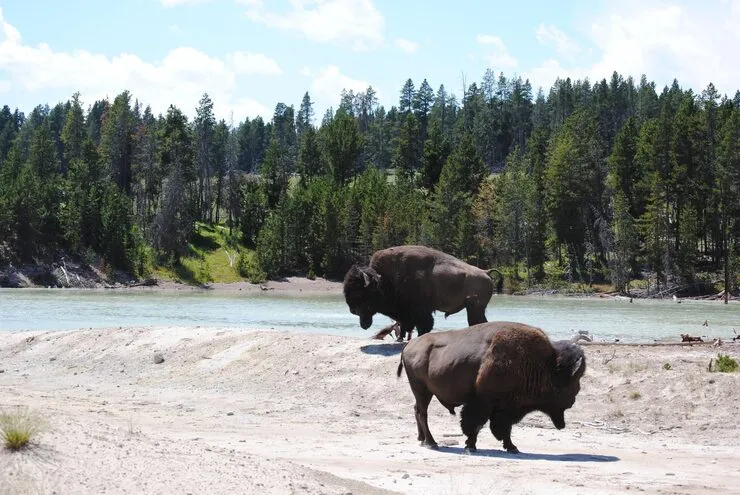
Buffalo Yellowstone Park, located in the heart of Yellowstone National Park, is a spectacular natural destination renowned for its thriving bison herds, geothermal features, and diverse wildlife. Situated primarily in Wyoming, with portions extending into Montana and Idaho, the park preserves one of the last remaining free-roaming American bison populations in North America. Visitors from around the world come to experience its iconic landscapes, including geysers, hot springs, rivers, and vast valleys teeming with wildlife. For travelers planning a comprehensive exploration of Yellowstone, it is also worth considering complementary visits to destinations such as Cacti Park, which offer unique desert ecosystems and contrasting natural experiences.
The park is famous for its unique combination of wildlife observation, geological phenomena, and cultural history. Bison are among the most celebrated inhabitants, often seen grazing in expansive meadows or moving across the plains during seasonal migrations. In addition to bison, visitors can observe elk, wolves, bears, and a variety of bird species, providing remarkable wildlife photography opportunities. The park also features iconic geothermal sites, including Old Faithful geyser, Grand Prismatic Spring, and Norris Geyser Basin, which showcase the dynamic and ever-changing landscape of the Yellowstone Caldera.
Buffalo Yellowstone Park is not only a haven for nature enthusiasts and wildlife photographers but also an educational resource for understanding conservation efforts in the United States. Ranger-led programs, interpretive exhibits, and educational tours provide insights into the ecology, history, and geology of the park, making it an enriching experience for all visitors. Whether travelers are seeking adventure, tranquility, or learning opportunities, Buffalo Yellowstone Park offers a multifaceted experience that combines natural beauty with cultural significance.
Best Time to Visit
The best time to visit Buffalo Yellowstone Park is from late spring through early autumn, specifically from May to September. During these months, the weather is generally mild, and most of the park’s facilities, roads, and trails are fully accessible. Late spring, including May and June, is ideal for observing newborn bison calves, migratory birds, and blooming wildflowers throughout the park. Temperatures range from fifty-five to seventy-five degrees Fahrenheit, making outdoor exploration comfortable.
Summer, particularly July and August, is the peak season for tourism. The warm weather, averaging sixty-five to eighty degrees Fahrenheit, and extended daylight hours allow visitors to participate in long hikes, scenic drives, and guided tours. This period also provides optimal conditions for photography, as lighting is favorable, and wildlife is active during early mornings and evenings.
Autumn, from September to October, offers cooler temperatures, ranging from forty-five to seventy degrees Fahrenheit, and fewer crowds. This is an excellent time for visitors seeking solitude and enjoying the changing colors of foliage. Winter months, from November through March, experience snow and freezing temperatures, which limit access to many roads and facilities but create opportunities for winter wildlife observation, snowshoeing, and photography of frozen landscapes. Visitors during winter should plan accordingly and be prepared for limited services and challenging conditions.
How to Reach
Buffalo Yellowstone Park can be accessed by multiple modes of transportation, including air, road, and rail.
By Air: The nearest major airports include Jackson Hole Airport in Wyoming, Bozeman Yellowstone International Airport in Montana, and Yellowstone Regional Airport in Cody, Wyoming. Jackson Hole Airport is approximately sixty miles from the park’s southern entrance, while Bozeman is around ninety miles from the northern entrance. These airports provide domestic flights from major U.S. cities, with connections available from international destinations. Upon arrival, travelers are advised to rent a car to explore the park fully.
By Road: Buffalo Yellowstone Park is accessible via U.S. Highways and state roads connecting to surrounding towns and cities. The most common entry points include the South Entrance near Grand Teton National Park, the West Entrance at West Yellowstone, and the North Entrance at Gardiner, Montana. Visitors driving along these routes will experience scenic byways and access to major landmarks, including geysers, wildlife viewing areas, and visitor centers.
By Rail and Bus: There is no direct rail service into Yellowstone National Park. Amtrak provides service to nearby cities such as Bozeman and Jackson, from where travelers can rent vehicles or use shuttle services to enter the park. Greyhound and regional bus services are limited, primarily serving nearby gateway towns. Private transportation is recommended for flexibility and access to remote areas within the park.
Estimated Trip Cost
Planning a visit to Buffalo Yellowstone Park involves several key expenses, including flights, accommodation, food, transportation, and recreational activities.
Flights: Round-trip flights to Jackson, Bozeman, or Cody typically range from three hundred to seven hundred dollars per person, depending on the season, airline, and booking time.
Accommodation: Budget accommodations, including motels and lodges in gateway towns, generally range from eighty to one hundred fifty dollars per night. Mid-range hotels and cabins with enhanced amenities, such as private bathrooms and scenic views, cost between one hundred fifty and three hundred dollars per night. Luxury resorts with premium facilities, such as spa services, guided tours, and exclusive access to park areas, range from four hundred to six hundred dollars per night.
Food: Dining expenses vary depending on preferences. Casual restaurants and cafes charge approximately ten to twenty-five dollars per meal, while fine dining options range from twenty-five to fifty dollars per person. Many visitors also prepare picnics using supplies from local markets and grocery stores to enjoy meals at scenic overlooks.
Transportation: A rental car is essential for exploring the park fully, with daily rates ranging from forty to eighty dollars depending on the vehicle type and season. Park entrance fees are typically thirty-five dollars per vehicle for a seven-day pass, with annual passes available for seventy dollars. Additional costs may include guided tours, wildlife watching excursions, and specialized activities such as kayaking or horseback riding, ranging from twenty to one hundred dollars per activity.
Activities: Most trails, scenic drives, and wildlife observation points are free to access. Ranger-led programs, educational workshops, and photography tours may involve fees, generally ranging from twenty to fifty dollars per person.
Top Attractions and Activities
Buffalo Yellowstone Park offers an extensive array of attractions and activities for visitors of all ages and interests.
- Bison Viewing: The park is home to large herds of American bison, often seen grazing in Hayden Valley, Lamar Valley, and the northern plains. Observing these majestic animals in their natural habitat is a highlight for wildlife enthusiasts.
- Geothermal Features: Iconic geothermal sites, including Old Faithful Geyser, Grand Prismatic Spring, Norris Geyser Basin, and Mammoth Hot Springs, showcase the park’s dynamic volcanic activity. Visitors can observe erupting geysers, colorful hot springs, and bubbling mud pots along accessible boardwalks.
- Hiking Trails: Trails range from short, easy walks to challenging backcountry hikes. Popular options include Mount Washburn Trail, Fairy Falls Trail, and Elephant Back Mountain Trail. Each trail offers unique views of wildlife, waterfalls, and geothermal features.
- Waterfalls: The park features numerous waterfalls, such as Tower Fall, Lower Falls of the Yellowstone River, and Mystic Falls. These locations provide scenic viewpoints and photography opportunities.
- Visitor Centers: Educational centers, including the Old Faithful Visitor Center and Canyon Visitor Education Center, provide information on geology, ecology, and wildlife, as well as ranger-led programs and interactive exhibits.
- Scenic Drives: The park’s extensive road network allows visitors to explore geyser basins, valleys, rivers, and wildlife-rich meadows. Notable drives include the Grand Loop Road and the Lamar Valley drive.
- Wildlife Observation: In addition to bison, visitors may see elk, grizzly bears, black bears, wolves, coyotes, and a variety of bird species. Early morning and late afternoon are optimal for wildlife spotting.
- Photography: The park provides endless opportunities for landscape and wildlife photography, especially during sunrise and sunset at geysers, waterfalls, and meadows.
- Camping: Several campgrounds, including Madison Campground, Grant Village, and Canyon Campground, allow visitors to experience the park overnight. Fees range from twenty-five to fifty dollars per night.
Accommodation Options
Buffalo Yellowstone Park and the surrounding areas offer a range of lodging options to accommodate diverse traveler preferences.
Budget: Motels, hostels, and basic lodges in nearby towns such as West Yellowstone, Gardiner, and Cody offer affordable options ranging from eighty to one hundred fifty dollars per night.
Mid-Range: Hotels, cabins, and lodges with private bathrooms, scenic views, and convenient access to park entrances generally range from one hundred fifty to three hundred dollars per night.
Luxury: High-end resorts and private cabins provide premium amenities, including guided tours, gourmet dining, and spa services. Rates range from four hundred to six hundred dollars per night.
Camping: Campgrounds within the park offer tent and RV sites with access to restrooms, potable water, and nearby hiking trails. Popular sites include Madison, Grant Village, and Canyon. Reservations are highly recommended, especially during peak season.
Local Food and Cuisine
The regions surrounding Buffalo Yellowstone Park feature a blend of Western, rustic, and contemporary cuisine with locally sourced ingredients.
Must Try Dishes: Bison steaks, trout, elk burgers, wild game chili, and locally sourced vegetables are popular regional dishes. Seasonal produce and farm-to-table meals reflect the culinary traditions of the area.
Recommended Restaurants:
- The Old Faithful Inn Dining Room offers traditional Western cuisine in a historic lodge setting.
- Wild West Pizzeria in West Yellowstone provides casual dining with locally inspired toppings and fresh ingredients.
- Bullwinkle’s Saloon and Eatery offers hearty meals, including bison and elk dishes, suitable for families.
Visitors may also explore local markets and roadside stands for fresh produce, baked goods, and artisanal products, which are perfect for picnics and hikes.
Travel Tips and Safety Advice
- Weather Preparedness: Weather can vary significantly by elevation. Dress in layers, carry rain gear, and prepare for sudden temperature changes.
- Wildlife Safety: Maintain a safe distance from wildlife. Do not approach, feed, or provoke animals. Use binoculars for observation.
- Trail Safety: Stick to marked trails to avoid hazards and protect fragile ecosystems.
- Packing Essentials: Include water, snacks, sunscreen, insect repellent, camera, binoculars, and appropriate footwear.
- Cell Coverage: Limited in many areas; inform someone of your itinerary before venturing into remote sections.
- Respect Local Culture: Follow park regulations, preserve natural sites, and respect cultural landmarks and historic sites.
Itinerary Suggestions
3 Day Trip
- Day One: Arrive at West Yellowstone, visit Old Faithful, explore nearby geyser basins, and observe bison in Hayden Valley.
- Day Two: Hike Mount Washburn Trail, visit the Grand Canyon of the Yellowstone, and view Tower Fall.
- Day Three: Explore Lamar Valley, observe wildlife, and depart in the evening.
5 Day Trip
- Day One: Arrival and short hike near Old Faithful.
- Day Two: Visit geysers, hot springs, and boardwalk trails.
- Day Three: Explore the Grand Canyon of the Yellowstone and Tower Fall, photograph waterfalls.
- Day Four: Wildlife observation in Lamar and Hayden Valleys, ranger-led program attendance.
- Day Five: Scenic drive along Grand Loop Road, visit visitor centers, and departure.
7 Day Trip
- Days One and Two: Arrival, Geyser Basin exploration, Old Faithful, and boardwalk trails.
- Days Three and Four: Hiking and waterfall visits, including Mount Washburn and Mystic Falls.
- Day Five: Wildlife observation, bison and elk photography, and ranger-led educational program participation.
- Day Six: Explore geothermal features in Norris Geyser Basin and Mammoth Hot Springs.
- Day Seven: Leisurely scenic drive along the Grand Loop Road, visit visitor centers, and departure.
Final Thoughts
Buffalo Yellowstone Park offers an unparalleled opportunity to experience the natural beauty, wildlife, and geothermal wonders of Yellowstone National Park. Travelers can immerse themselves in bison herds, explore geyser basins, hike scenic trails, and engage in educational programs that highlight conservation and ecology. By planning visits with attention to seasonal weather, trail accessibility, and accommodation, visitors can enjoy a safe, memorable, and enriching experience. The park remains one of the most iconic and diverse natural destinations in the United States, offering both adventure and tranquility for all types of travelers.
FAQs
Where is Buffalo Yellowstone Park located?
Buffalo Yellowstone Park is primarily located in Wyoming, with portions extending into Montana and Idaho, encompassing a significant portion of Yellowstone National Park.
Do I need a permit to enter the park?
A park entrance fee is required, typically thirty-five dollars per vehicle for a seven-day pass, but no additional permit is needed for general access.
What wildlife can I see?
Visitors can observe bison, elk, grizzly and black bears, wolves, coyotes, and various bird species.
Are pets allowed?
Pets are permitted in certain areas but must remain on a leash. Most trails restrict pets to protect wildlife and ecosystems.
What is the best time for wildlife photography?
Early morning and late afternoon in late spring through early autumn provide the best lighting and wildlife activity.


One Comment