

AA Road Route Planner Europe
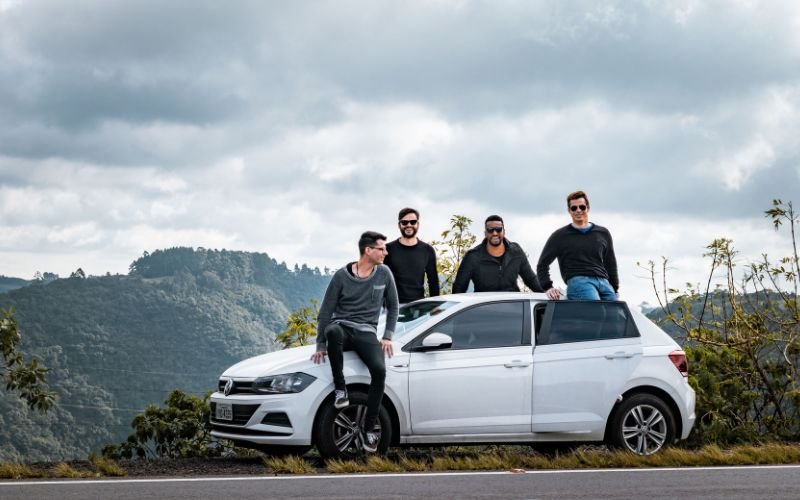
Certain journeys in life transcend simply reaching a destination. Driving across Europe is one of them. Picture this: cobblestone streets leading into medieval towns, highways unraveling through vineyards, snow-capped Alps standing tall beside ribbons of asphalt, and coastal roads where the sea glimmers just beyond your window. For travelers, Europe is not just about visiting landmarks; it is about experiencing the spaces between them. The charm lies in how diverse cultures, cuisines, and landscapes can unfold in a single day’s drive.
Over the decades, travelers have relied on maps, guidebooks, and eventually digital tools to navigate these vast road networks. Among the most trusted names for planning such journeys has been the Automobile Association (AA), which is long known for providing drivers with reliable directions, safety advice, and expert road knowledge. And that is where our story begins, with a digital companion that has become synonymous with structured European road travel: the AA Road Route Planner Europe.
But instead of just giving you facts, let’s look at this guide as if we are writing the biography of a trusted friend who has evolved with travelers’ needs, learning to serve each new generation better. Just as a person’s story reveals who they are, this travel planner’s journey shows us how road trips across Europe have become more accessible, adventurous, and deeply personal.
Best Time to Visit (Latest Info of 2025 Updates)
Timing is everything when it comes to road trips. Europe’s seasons are not just weather changes; they define entire experiences.
- Spring (March to May) Roads through France bloom with lavender, German countryside fields turn green, and Italian piazzas awaken with life. It’s mild, beautiful, and perfect for long drives without too much tourist crowding.
- Summer (June to August): Peak travel season. Think Mediterranean coastlines in Spain, Greece, and Italy, buzzing with energy. However, popular highways and toll roads can get congested, and accommodation prices peak.
- Autumn (September to November) Golden leaves blanket Eastern Europe, and vineyards in France, Portugal, and Austria invite harvest festivals. This season combines pleasant weather with fewer crowds, ideal for budget-conscious travelers.
- Winter (December to February) Road trips shift towards snowy adventures: Alpine passes in Switzerland, Germany’s Christmas markets, and Nordic landscapes painted in white. Perfect if you are prepared for winter tires, shorter days, and magical cold-weather scenery.
2025 Update: With recent EU climate initiatives, certain European cities like Paris, Milan, and Barcelona are enforcing stricter low-emission zones. Travelers planning with route tools must now account for car emission standards. This makes using a planner essential, since it calculates routes avoiding restricted urban cores when necessary.
How to Reach Europe’s Road Networks
One of the charms of Europe is accessibility. No matter where you begin, you can connect to its vast highways and scenic byways in multiple ways:
By Air
Major international airports, London Heathrow, Paris Charles de Gaulle, Frankfurt, Rome Fiumicino, and Amsterdam Schiphol, act as gateways. After landing, car rental companies position you directly onto motorways like Germany’s Autobahn or France’s Autoroute.
By Train
Europe’s high-speed rail is world-famous. Trains such as the Eurostar, TGV, and ICE can swiftly carry you across borders. Many travelers mix rail with car rental, arriving in one city by train, then hiring a vehicle for the countryside and regional exploration.
By Bus
For budget adventurers, companies like FlixBus connect over 2,000 European destinations. While buses do not offer the freedom of a personal vehicle, they can act as a bridge between major hubs where you might rent a car for road exploration.
By Road
Of course, the classic way: driving directly. If you are traveling from the UK, the Channel Tunnel (Eurotunnel) or ferry routes like Dover and Calais give access to continental Europe’s vast road grid. From there, motorways link seamlessly from one country to another, with no long border delays within the Schengen zone.
Estimated Trip Cost
Every traveler wonders, how much does a European road trip cost in 2025? Costs vary depending on the route, season, and style, but let’s break it down:
- Flights: (if starting outside Europe) Average $450 to $1,000 return ticket from the US and Asia to major hubs.
- Car Rental: Economy cars cost €30 to €50 per day. SUVs or long-distance vehicles cost €70 to €120 per day. One-way cross-country drop fees cost you €100 to €300 extra.
- Fuel: The average fuel price in 2025 cost €1.70 per liter (nearly $7.20 per gallon). Driving from London to Rome (1,500 km): approximately €250 in fuel.
- Tolls and Parking: French autoroutes cost €8 to €20 per section. Italy’s Autostrade: €50 to €80 across long routes. City parking: €20 to €40 per day.
- Accommodation: Budget hostels cost €25 to €50 per night. Mid-range hotels cost from €70 to €150 per night. A luxury hotel costs you €200 per night.
- Food: Street food and cafes cost €10 to €15 per meal. Sit-down restaurants cost €25 to €50 per person. Gourmet dining costs €100+.
- Activities: Museums €10 to €25. Castles and historic sites €10 to €20. Local tours €50 to €100.
A 10-day multi-country road trip for two averages €3,500 to €5,000, depending on comfort level.
Top Attractions and Activities
Europe’s attractions are endless, but for road trips, the magic lies in routes
- Romantic Road, German medieval towns like Rothenburg ob der Tauber, castles, and vineyards.
- Amalfi Coast, Italy: Narrow cliffside roads with turquoise sea views.
- Ring Road, Iceland: Waterfalls, glaciers, and black-sand beaches in a circular route.
- Route des Grandes Alpes, France, mountain passes and alpine villages.
- Atlantic Road, Norway A dramatic ocean road with bridges curving over waves.
- Loire Valley, France: châteaux, gardens, and wine tastings.
- The Transfăgărășan Highway, Romania, is described by Top Gear as one of the best driving roads in the world.
- Spanish Pyrenees, Rugged mountain roads, perfect for adventurers.
Hidden gems also deserve a mention: Slovenia’s Lake Bled, Portugal’s Alentejo coast, and Croatia’s Istrian Peninsula are perfect road-trip surprises.
Accommodation Options
Europe accommodates every budget:
- Budget hostels like Generator (Berlin, Amsterdam, and Paris) and family-run guesthouses.
- Mid-range chains like Ibis, Mercure, and regional boutique hotels.
- Luxury, five-star stays such as Hotel de Paris (Monaco), Badrutt’s Palace (Switzerland), or castles converted into hotels in Scotland and Ireland.
- Unique stays, farmhouses in Tuscany, caves in Cappadocia, or cabins in the Swiss Alps.
Local Food and Cuisine
Road trips are not just about places; they are about flavors.
- France: croissants, escargot, and coq au vin, paired with Bordeaux wine.
- Italy: pizza in Naples, pasta in Rome, and gelato in Florence.
- Spain, tapas, paella, and churros.
- Germany, bratwurst, pretzels, and beer halls.
- Greece: gyros, moussaka, and fresh seafood.
- Hungary, goulash, and chimney cakes.
- Scandinavia, Smørrebrød, gravlax, and reindeer dishes.
Tip: Highway stops often hide authentic regional food at low prices. Do not underestimate them!
Travel Tips and Safety Advice
- Documents: Carry a passport, an international driving permit, and insurance.
- Car Rules: Reflective vests, warning triangles, and breathalyzers are mandatory in some countries.
- Toll Roads: Buy vignettes in Austria, Switzerland, and Slovenia.
- Fuel Types: Do not confuse diesel with unleaded; pumps may look different.
- Emergency Number: 112 works across the EU.
- Weather: Always check seasonal road closures, especially in the Alps.
- Culture: Learn a few phrases in local languages; it goes a long way.
- Packing: Layers, power adapters, reusable water bottles, and snacks for long stretches.
Itinerary Suggestions
3-Day Plan from Paris to Normandy
- Day 1: Paris city highlights.
- Day 2, drive to Mont-Saint-Michel and explore coastal villages.
- Day 3: Day at beach, return to Paris.
5-Day Plan from Munich to Venice
- Day 1: Explore Munich.
- Day 2: Drive through the Bavarian Alps.
- Day 3: Innsbruck and Austrian Tyrol.
- Day 4, the Dolomites in Italy.
- Day 5, Venice canals.
7-Day Plan from London to Rome
- Day 1: London sightseeing.
- Day 2, Channel Tunnel, northern France.
- Day 3, Paris.
- Day 4, Swiss Alps.
- Day 5, Milan.
- Day 6, Florence.
- Day 7, Rome.
FAQs
Is route planning in Europe reliable?
Yes. Digital planners now integrate traffic, tolls, and environmental zones.
Do I need special insurance for multi-country trips?
Yes. Ensure your car rental includes a green card valid across borders.
Which navigation apps work best offline?
Maps.me and downloaded Google Maps regions are traveler favorites.
Are road trips cheaper than trains in Europe?
Not always. Road trips cost more in fuel and tolls but offer flexibility and hidden gems.
Can I drive in Europe with a UK/US license?
Yes, but some countries require an International Driving Permit.
Citation
RAC Motoring Services. (n.d.). Route Planner. RAC. Retrieved August 26, 2025, from https://www.rac.co.uk/route-planner/





One Comment