

Every journey begins with a map, a plan, and a desire for seamless travel. For decades, buses have remained the silent backbone of public transportation systems, carrying millions of people daily between cities, neighborhoods, and even countries. Yet the true transformation of bus travel began with the digital age, when planning tools started offering more than static timetables; they began creating personalized journeys. This is where the story of the bus service route planner becomes vital.
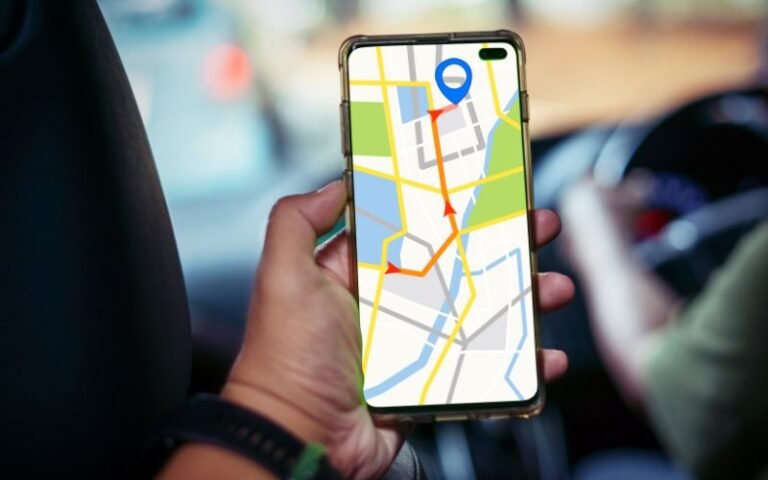
For travelers, commuters, and even occasional tourists, it has become more than just a scheduling tool; it is a companion that simplifies life on the road. Imagine leaving a busy airport, pulling out your phone, and instantly discovering which bus will connect you to downtown, how long the ride will take, and even how crowded it might be. That is the experience people now rely on.
In 2026, the relevance of route planning has never been greater. Traffic congestion, environmental concerns, and rising fuel costs have all emphasized public transport. But buses, unlike private cars, require synchronization across operators, stops, and regional policies. Digital planners, especially those integrating live traffic data, ticketing systems, and predictive scheduling, offer solutions that feel intelligent, reliable, and human-centered.
This content will not only explain the mechanics of bus route planning but will also read as a traveler’s guide, exploring costs, attractions, accommodations, food, itineraries, and practical advice. Along the way, we will connect it with alternatives like AA Route Planner, which has long been recognized as a gold standard in route optimization.
Best Time to Use Bus Route Planners (2026 Updates)
The effectiveness of any bus trip is heavily influenced by timing. Seasons bring different traffic conditions, weather challenges, and passenger volumes. In 2026, thanks to advances in AI-powered transport tools, travelers can receive predictive suggestions on when to leave, where to transfer, and how to minimize delays. Still, understanding broad seasonal patterns helps.
United States
- Spring (March to May): Mild weather, light traffic after winter, and budget-friendly fares. Scenic intercity rides like New York to Boston or San Francisco to Yosemite shine during this time.
- Summer (June to August): Heavy with tourists, especially near coastal cities. Planners become critical to avoid long waits in popular destinations like Miami, Los Angeles, or Seattle.
- Fall (September to November): Perhaps the best for road travel, beautiful landscapes, affordable tickets, and reduced congestion. Rural and cultural routes thrive.
- Winter (December to February): Demanding in snow prone areas like Chicago or Minneapolis, but manageable with planners that show live weather-based delays.
United Kingdom
- Spring: Perfect for countryside explorations, with planners connecting London to Oxford, Bath, or the Cotswolds.
- Summer: Tourist-heavy, especially in Cornwall and Brighton. Booking in advance is essential.
- Autumn: Balanced fares and scenic routes across Scotland and Wales make this ideal for long journeys.
- Winter: Cold, with occasional service disruptions. Modern planning tools help identify reliable services even in remote areas.
The true advantage in 2026 is not just knowing the timetable, but receiving intelligent predictions: Leave 15 minutes earlier to avoid a surge, or This route will save 30 minutes due to lighter traffic. These insights transform what was once guesswork into strategic travel planning.
How to Reach Destinations Using Bus Planners
A complete journey often involves multiple transport modes. The value of a route planner lies in integrating flights, trains, private vehicles, and buses into a seamless chain of travel.
- Flights plus Bus Transfers
- Arriving at JFK Airport (New York)? Planners recommend express buses to Manhattan and integrate with subway connections.
- Landing at London Heathrow? National Express services to Oxford, Cambridge, and Bristol are suggested instantly.
- Trains plus Buses
- In the U.S., Amtrak stations frequently align with Greyhound or Megabus hubs. A route planner shows connections down to the minute.
- In the U.K., planners bridge trains from London King Cross to regional buses serving northern towns.
- Self-Drive plus Park and Ride
- Cities like Boston, Manchester, and Edinburgh promote leaving cars at designated hubs. Digital tools guide you to the nearest bus stop from parking.
- Intercity Buses
- Operators like Greyhound, FlixBus, and National Express dominate the U.S. and U.K. Planners let you compare fares, stops, and real time occupancy.
- Local Transport
- Municipal systems such as MTA in New York or TFL in London integrate into digital apps. You can see when the next local bus arrives within seconds.
Ultimately, the planner acts as a travel architect, orchestrating multiple pieces into one clear, personalized roadmap.
Estimated Trip Cost
Budgeting is at the heart of any journey, and digital planners also contribute by comparing fares across operators. Let us break down expected costs for a typical intercity or city-based journey in 2026:
- Bus Fares:
- Local city buses (NYC, London): $2 to $3 (approximately £1.5 to £2.5).
- Intercity (e.g., New York to Washington DC, London to Manchester): $20 to $50 depending on booking time.
- Long distance premium services: $70 to $100.
- Flights (if combined): Domestic flights in the U.S. average $150 to $250. In the U.K., regional flights can be as low as £50 when booked early.
- Hotels:
- Budget hostels: $30 to $60 per night.
- Mid-range hotels: $80 to $150.
- Luxury: $250+.
- Food:
- Daily average: $25 to $50 for modest meals, higher for fine dining.
- Activities & Attractions:
- City museums: $10 to $20.
- Day tours: $50 to $100.
A carefully planned trip combining buses with occasional flights and trains remains 30 to 40% cheaper than relying on private cars or flights alone.
Top Attractions and Activities Connected by Bus Routes
Buses are more than a mode of transport, they are gateways to experiences. A planner can help you reach both well-known landmarks and hidden gems.
United States
- New York City: From Times Square to Brooklyn, local buses cover iconic districts.
- Washington DC: Capitol Hill, museums, and monuments accessible via intercity routes.
- California: Scenic drives from Los Angeles to San Francisco; Yosemite buses connect national parks.
- Midwest: Chicago to Milwaukee routes combine culture with local dining.
United Kingdom
- London: Double-decker buses remain symbolic, connecting the Tower Bridge, Westminster, and cultural hotspots.
- Scotland: Edinburgh to the Highlands offers breathtaking views.
- Wales: Cardiff to Snowdonia buses open routes into natural wonders.
Hidden Gems
- Rural England villages are connected via Stagecoach.
- U.S. small towns along Route 66 are still accessible by Greyhound.
Each ride becomes a memoir in itself, offering views, conversations, and cultural snapshots unavailable from planes or private cars.
Accommodation Options
Traveling by bus means arriving at diverse destinations, each offering varied lodging:
- Budget: Hostels near stations (For example, Generator Hostel London, HI New York).
- Mid-range: Holiday Inn Express, Premier Inn, affordable and reliable.
- Luxury: Ritz Carlton (U.S.) or Savoy Hotel (London) for upscale experiences.
Many hotels now integrate with route planning apps, allowing direct booking once your bus journey is confirmed.
Local Food and Cuisine
One cannot discuss travel without food. Bus routes often pass through culinary landmarks.
- U.S. Specialties:
- New York bagels, Chicago deep dish pizza, Southern barbecue.
- U.K. Classics:
- Fish and chips in Brighton, Cornish pasties, Scottish haggis.
Restaurants near bus hubs often serve as hidden gems. In New York, Katz’s Delicatessen near Lower Manhattan bus stops remains legendary. In London, Dishoom near King’s Cross is perfect for a post-travel meal.
Travel Tips and Safety Advice
- Check Weather: Especially in winter regions, snow delays are common.
- Book Early: Summer intercity buses fill quickly.
- Use Digital Tickets: Reduces waiting time.
- Pack Light: Overloaded luggage is difficult in crowded stations.
- Cultural Etiquette: Respect local queues (especially in the U.K.).
- Safety: Stay alert in stations; use official booking sites.
Itinerary Suggestions
3 Day Plan (City Exploration)
- Day 1: Arrive via bus, explore downtown using local transit.
- Day 2: Visit major landmarks, dine locally.
- Day 3: Take a short intercity trip (For example, London to Oxford).
5 Day Plan (Intercity Mix)
- Combine a major city (NYC and London) with two smaller towns.
- Use route planners for smooth transfers.
7 Day Plan (Regional Journey)
- U.S.: New York → Philadelphia → Washington, DC → Boston.
- U.K.: London → Bath → Cardiff → Manchester.
Each itinerary highlights how a bus route planner shapes a structured yet flexible travel story.
FAQs
Are digital bus route planners free to use?
Yes, most offer free basic services, though premium features like seat selection or multi modal predictions may be paid.
Can planners show real-time delays?
Yes, AI-driven tools integrate with GPS and traffic feeds to predict delays.
Do they work offline?
Some apps allow offline route saving, though live updates require connectivity.
How do they help tourists?
By showing local attractions, nearby restaurants, and ticketing options integrated into a single map.
Which is the most reliable planner?
Several exist, but established systems like [AA Route Planner] remain benchmarks for reliability.
Citation
Transperth (Public Transport Authority). (n.d.). JourneyPlanner. Transperth. Retrieved August 26, 2025, from https://www.transperth.wa.gov.au/Journey-Planner.

I am Ryan Brooks, an explorer dedicated to uncovering America’s must-visit places and hidden treasures. My blogs and travel planners mix real experiences with practical tips, helping you turn trip ideas into unforgettable journeys. Whether you are chasing iconic landmarks or secret spots only locals know, my goal is to make sure your next trip is not just a getaway, it’s an unforgettable chapter in your story.




One Comment