
Nestled in the heart of Vermont, the Green Mountain National Forest is a celebrated natural destination spanning over 400,000 acres of protected wilderness. Renowned for its rolling ridges, pristine forests, and scenic river valleys, the forest attracts visitors seeking both adventure and serenity. Its diverse ecosystems encompass northern hardwoods, coniferous forests, and wetlands, providing habitat for an array of wildlife species, including moose, black bears, white-tailed deer, and numerous migratory birds.
The forest is not only a haven for nature enthusiasts but also a cultural and historical treasure. The region is home to historical sites that illustrate Vermont’s colonial heritage, early settler life, and the legacy of New Deal forestry projects. Visitors can explore preserved farmsteads, stone walls, and bridges, all nestled amidst the forest’s vibrant landscapes.
For travelers seeking to expand their journey, pairing a visit to Green Mountain National Forest with destinations such as the Black Canyon of the Gunnison National Park (Colorado) offers a striking contrast in natural beauty. While Vermont presents lush green mountains and serene woodlands, the Black Canyon showcases dramatic cliffs and deep, narrow canyons, highlighting the diversity of the United States’ protected landscapes.
With its mix of outdoor recreation, seasonal beauty, and historical significance, Green Mountain National Forest offers experiences suitable for all types of travelers. Whether hiking through tranquil valleys, observing wildlife, exploring scenic drives, or camping beneath a canopy of stars, visitors will find countless opportunities to connect with nature and appreciate the grandeur of Vermont’s mountainous terrain.
Best Time to Visit
Green Mountain National Forest offers a variety of experiences year-round, each season bringing unique attractions and activities. Spring, from March through May, is a time of renewal and growth. Temperatures generally range from forty to seventy degrees Fahrenheit, making this season ideal for hiking, birdwatching, and wildflower observation. Spring waterfalls swell from melting snow, creating spectacular displays at locations such as Moss Glen Falls and Table Rock.
Summer, from June through August, provides warmer weather with temperatures ranging between sixty and eighty-five degrees Fahrenheit. This period is perfect for extended hikes, mountain biking, and river kayaking. Summer also brings longer daylight hours, allowing for comprehensive exploration of the forest. Peak visitation occurs during these months, so planning for accommodations and trail use is recommended.
Autumn, spanning September to November, is perhaps the most iconic season to visit Green Mountain National Forest. The forest transforms into a vibrant tapestry of red, gold, and amber, attracting photographers and leaf-peepers from across the country. Hiking during this season provides not only breathtaking views but also cooler temperatures, typically ranging from forty-five to seventy degrees Fahrenheit, enhancing the overall comfort of outdoor activities. Seasonal programs in 2025 include guided foliage hikes and educational workshops on Vermont’s forest ecology.
Winter, from December through February, offers a quieter experience. Lower elevations maintain temperatures between twenty-five and forty-five degrees Fahrenheit, while higher elevations receive significant snowfall, creating ideal conditions for skiing, snowshoeing, and winter photography. While some trails and roads may be temporarily closed due to snow, winter adventurers are rewarded with serene landscapes and fewer crowds.
Planning a visit according to the season ensures that travelers experience the forest at its most engaging and that they can fully enjoy the variety of recreational opportunities. In 2025, the forest administration will have enhanced accessibility with updated trail information, improved signage, and seasonal activity guides to aid visitors in navigating both popular and remote areas.
How to Reach
Green Mountain National Forest is accessible through multiple transportation modes. For travelers arriving by air, the nearest major airport is Burlington International Airport, located approximately sixty miles north of the forest. This airport provides connections to major cities in the United States and offers car rental services for onward travel. Other regional airports, such as Rutland Southern Vermont Regional Airport, offer smaller-scale access with limited domestic flights.
Travelers using rail services can access Amtrak routes to Burlington or Montpelier, with onward bus or rental car options to reach trailheads, campgrounds, and visitor centers. Although the train does not enter the forest directly, it provides a scenic approach to Vermont and reduces the need for long drives in urban traffic.
By road, Interstate 89, Vermont Route 100, and Route 125 provide convenient access to key areas within and around the forest. Route 100, often referred to as Vermont’s “Backbone Highway,” runs through the Green Mountains and offers access to multiple scenic overlooks, trailheads, and recreation areas. Visitors should be prepared for winding mountain roads, especially during the autumn foliage season and winter, when snow and ice may create hazardous driving conditions.
Local bus services connect towns such as Rutland, Middlebury, and Woodstock to nearby trailheads, though schedules are seasonal and limited in frequency. Rental cars are recommended for most visitors, providing flexibility to explore remote areas, access scenic drives, and reach dispersed hiking trails. Cycling enthusiasts may find portions of the forest suitable for mountain biking, though caution is advised on steeper roads and forest trails.
Estimated Trip Cost
Visiting Green Mountain National Forest involves several cost considerations. Airfare from major United States cities to Burlington typically ranges between $150 and $400 per person, depending on departure location and booking timing. Ground transportation, whether rental cars or fuel costs for personal vehicles, may range from fifty to one hundred fifty dollars for a multi-day trip, depending on the distance traveled.
Accommodation options vary widely. Budget accommodations, including motels and small inns in towns such as Killington, Middlebury, and Woodstock, range from seventy to one hundred twenty dollars per night. Mid-range lodges and cabin rentals typically cost between one hundred fifty and two hundred fifty dollars per night and often include amenities such as Wi-Fi, scenic views, and proximity to trailheads. Luxury cabins or resorts, with features such as private decks, fireplaces, and spa services, can range from three hundred to six hundred dollars per night.
Dining expenses depend on choice and location. Casual eateries and cafes typically charge between ten and thirty dollars per person, while mid-range restaurants offer meals ranging from thirty to sixty dollars per person. Fine dining establishments, particularly those emphasizing farm-to-table cuisine, may exceed seventy-five dollars per person. Seasonal farmers’ markets and local specialty shops provide additional culinary experience, with costs varying based on products purchased.
Most activities in the forest are free, such as hiking, watching wildlife, and taking photos. You may need to spend some money on guided tours, renting equipment, or camping permits, which usually cost between $10 and $25. If you are planning a long hiking trip, you should also budget for hiking gear, maps, and safety items.
A five-day trip for two adults, including airfare, accommodations, food, and transportation, typically costs approximately twelve hundred to two thousand dollars. Extended or luxury trips, incorporating guided activities and high-end lodging, may exceed three thousand dollars. Planning and budgeting ahead of time allows for a comprehensive experience while optimizing cost efficiency.
Top Attractions and Activities
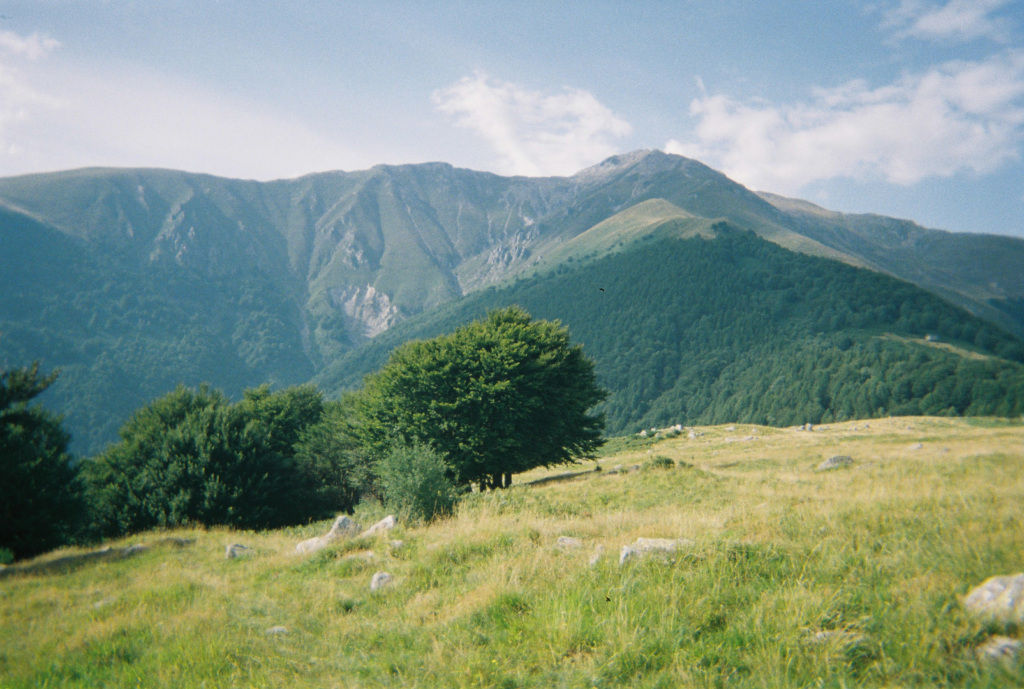
Green Mountain National Forest offers a wide array of attractions and activities suitable for a range of interests. Hiking trails dominate recreational options, with over four hundred miles of marked paths. The Long Trail, which traverses the entire length of Vermont, passes through the forest and provides hikers with both moderate and challenging routes. Other popular trails include the Skyline Trail, Lincoln Gap Trail, and the Sterling Pond loop, each offering diverse terrain and scenic views.
Camping and backcountry experiences are central to forest visits. Designated campgrounds such as Grout Pond, Hapgood Pond, and Middlebury Gap provide amenities for tents and small RVs. Backcountry camping permits are available for remote areas, enabling visitors to immerse themselves in wilderness environments while adhering to Leave No Trace principles.
For wildlife enthusiasts, guided tours and self-directed observation offer opportunities to see moose, black bears, bobcats, and migratory birds. Seasonal birdwatching programs, often coordinated with local environmental organizations, highlight species such as the wood thrush, black-capped chickadee, and hermit thrush. Photographers are encouraged to visit during early morning or late afternoon to capture the forest in optimal lighting conditions.
Water-based recreation includes canoeing, kayaking, and fishing on rivers and ponds such as the White River, Otter Creek, and the Long Trail-adjacent water bodies. Seasonal conditions may affect accessibility, and visitors are encouraged to check water levels and local regulations before embarking on trips.
Scenic drives are highly recommended, with Route 100 providing access to overlooks, historic sites, and natural landmarks. Hidden gems such as the Middlebury Gorge, App Gap Overlook, and Silver Lake trailhead reward those willing to explore less crowded sections of the forest. Seasonal programs offer interpretive walks focusing on forest ecology, historical preservation, and conservation education.
Accommodation Options
Green Mountain National Forest provides a variety of lodging options to suit diverse preferences and budgets. Budget accommodations include small inns, motels, and hostels in towns adjacent to the forest. These options provide clean rooms, basic amenities, and easy access to trailheads and visitor centers.
Mid-range lodging includes cabins, lodges, and bed and breakfasts. These accommodations often feature additional comforts such as private bathrooms, heating, Wi-Fi, and scenic views. Popular mid-range locations include Killington area cabins, Middlebury guest lodges, and Woodstock inns. Many offer packages that include guided hikes or activity recommendations.
Luxury accommodations consist of high-end resorts, private mountain lodges, and specialized retreats. Amenities may include private decks, fireplaces, spa services, gourmet dining, and concierge assistance. Luxury options are ideal for travelers seeking privacy, comfort, and a premium experience while exploring the forest.
Additionally, wilderness camping provides a unique immersive experience for those seeking direct contact with nature. Proper planning, equipment, and permit acquisition are required to ensure safety and minimal environmental impact.
Local Food and Cuisine
The culinary experience near Green Mountain National Forest reflects Vermont’s agricultural heritage and focus on locally sourced ingredients. Traditional dishes feature farm-fresh vegetables, artisanal cheeses, maple syrup, and locally raised meats. Visitors are encouraged to sample specialties such as Vermont cheddar, apple cider donuts, baked beans, and trout from local rivers.
Restaurants such as Worthy Kitchen, Hen of the Wood, and The Pitcher Inn provide a mix of casual and fine dining, offering seasonal menus that highlight regional flavors. Cafes and bakeries in towns such as Middlebury and Woodstock provide lighter fare suitable for hikers and day-trippers, including fresh pastries, coffee, and sandwiches. Farmers’ markets offer an opportunity to purchase locally produced goods, homemade preserves, and specialty products that reflect Vermont’s culinary traditions.
Food festivals and culinary events in 2025, such as maple syrup celebrations and harvest fairs, provide additional cultural enrichment. Visitors can experience cooking demonstrations, tastings, and workshops that explore the region’s gastronomy.
Travel Tips and Safety Advice
Visitors to Green Mountain National Forest are encouraged to prepare thoroughly to ensure both safety and enjoyment. Weather conditions can vary significantly across elevations and seasons. Layered clothing, rain protection, and sturdy hiking footwear are recommended for all outdoor activities. Winter visitors should be prepared for snow and ice, while summer travelers should be aware of potential thunderstorms and higher humidity levels.
Wildlife safety is essential. Maintaining distance from animals such as black bears and moose is crucial, as is proper storage of food to prevent attracting wildlife. Visitors are encouraged to follow all park rules and guidance provided at visitor centers.
Cultural sensitivity is equally important. The forest encompasses historical sites, including colonial-era structures and early 20th-century forest projects, which should be treated with respect. Visitors should avoid disturbing archaeological sites, trails, and historical landmarks.
Packing essentials include water, snacks, trail maps, navigation tools, first aid kits, and communication devices. Seasonal preparation is also advised, particularly for longer hikes, camping excursions, or winter sports.
Itinerary Suggestions
Three-Day Itinerary:
Day One: Arrive in Middlebury, orientation at the forest visitor center, short hike to Silver Lake, evening dinner at local inn.
Day Two: Full-day hike along Skyline Trail, picnic at scenic overlook, photography session at Grout Pond, return to accommodation.
Day Three: Morning wildlife observation at Middlebury Gorge, short hike to Sterling Pond, departure via scenic drive along Route 100.
Five-Day Itinerary:
Day One: Arrival and local exploration, orientation at the visitor center.
Day Two: Long Trail hike with stops at Middlebury Gap and Appalachian Trail junctions.
Day Three: Backcountry camping with evening wildlife observation, ranger-led program if available.
Day Four: Canoeing or kayaking on the White River, exploration of hidden waterfalls and remote trails.
Day Five: Scenic drive along Route 100 with stops at historical sites and overlooks, departure.
Seven-Day Itinerary:
Day One: Arrival, local town exploration, preparation for extended hikes.
Day Two: Moderate hike along the Sterling Pond loop, photography, and picnic.
Day Three: Full-day Long Trail hike with backcountry experience.
Day Four: Guided birdwatching and forest ecology program, afternoon visit to historic farmsteads.
Day Five: Water recreation, including canoeing or fishing, evening campfire program.
Day Six: Scenic drive through the Green Mountains, hidden trail exploration, a nd evening leisure.
Day Seven: Final morning hike or observation session, cultural visit to nearby towns, departure.
Frequently Asked Questions
Is there an entrance fee for Green Mountain National Forest?
No, general access is free. Fees may apply for specific activities or backcountry camping permits.
What is the best time to visit for fall foliage?
Late September to mid-October provides peak autumn colors.
Are pets allowed on trails?
Yes, but pets must be leashed and are not allowed in all backcountry areas.
How many miles of trails exist in the forest?
Over four hundred miles of trails, including the Long Trail, traverse the forest.
Can visitors camp in the forest?
Yes, both designated campgrounds and backcountry permits are available.
What wildlife can be observed?
Common sightings include moose, black bears, deer, bobcats, and diverse bird species.
Are guided tours available?
Yes, ranger-led hikes and educational programs are offered seasonally.
What should visitors pack for a day hike?
Water, snacks, layered clothing, sturdy footwear, a map, a first aid kit, and a communication device.
Is cell phone coverage reliable?
Coverage is limited in remote areas; planning and informing someone of your itinerary is advised.
Are winter activities available?
Yes, including snowshoeing, cross-country skiing, and winter hiking, though conditions may vary.
Final Thoughts
Green Mountain National Forest in Vermont exemplifies the serene beauty, ecological diversity, and cultural richness of the northeastern United States. From vibrant autumn foliage to tranquil winter landscapes, from extensive hiking trails to quiet riverside explorations, the forest offers experiences for all interests and skill levels. Thoughtful planning, respect for wildlife and historical landmarks, and proper preparation allow visitors to enjoy the forest safely and fully.
Combining a visit to Green Mountain National Forest with destinations such as the Black Canyon of the Gunnison National Park (Colorado) enhances the journey, contrasting Vermont’s lush woodlands with Colorado’s dramatic canyon vistas. Every visitor is rewarded with opportunities for adventure, learning, and reflection in a landscape that remains one of America’s treasured natural treasures.
Whether for a short getaway, an immersive hiking adventure, or a seasonal exploration of fall colors and winter snow, Green Mountain National Forest provides a wealth of natural beauty and historical insight, creating memories that endure long after departure.

I am Ethan Miles, exploring the magic of Theme Parks and the beauty of Nature & Outdoors. From thrilling coasters to peaceful trails, I share honest tips, hidden gems, and immersive guides that inspire you to travel deeper and discover more. Whether you are chasing the rush of a roller coaster or the calm of a forest sunrise, my mission is simple to inspire you to explore with curiosity, depth, and joy.