

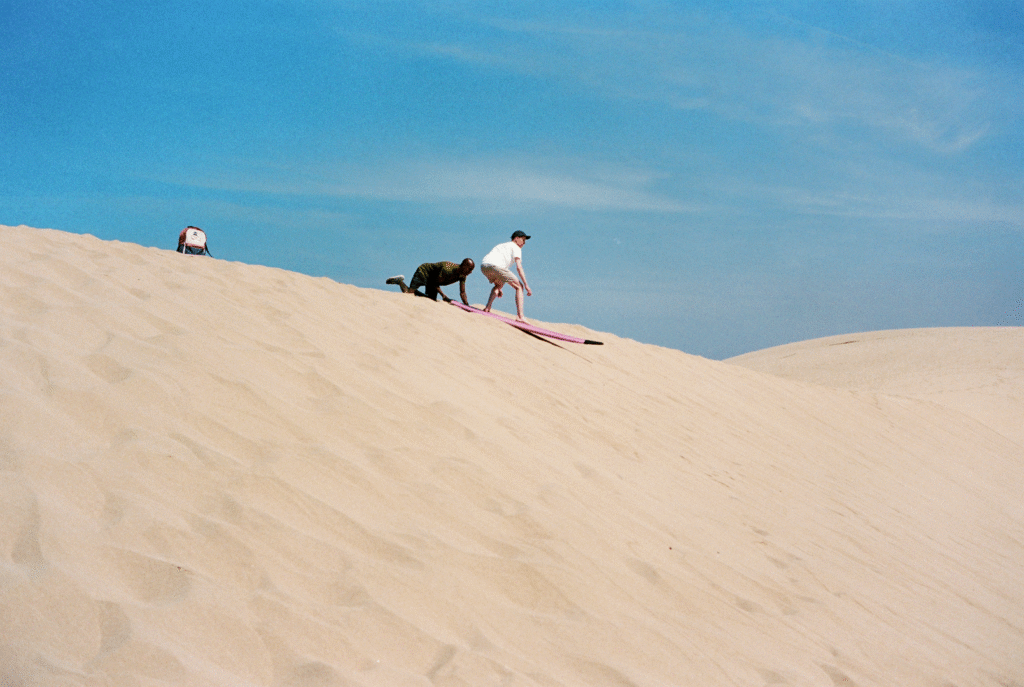
The sweeping desert landscape of the Great Sand Dunes National Park and Preserve in Colorado stands as one of the most astonishing natural formations in the United States, celebrated for its towering golden dunes backed by the rugged alpine peaks of the Sangre de Cristo Mountains. Nestled within the vast San Luis Valley, this extraordinary geological environment is renowned for having the tallest dunes in North America, where windswept grains of ancient sediment rise dramatically against a skyline of snowcapped summits. Travelers arrive from around the globe to experience sandboarding and sand sledding on sunlit slopes, hiking through diverse ecosystems that range from grasslands to wetlands, and witnessing spectacular night skies that belong to one of the nation’s designated International Dark Sky Parks. This awe-inspiring destination invites visitors to explore dune climbing, hike scenic trails, discover the seasonal waters of Medano Creek, and immerse themselves in the expansive wilderness that extends from desert fields to alpine tundra. For additional travel inspiration within the United States, many explorers pair their journey with visits to iconic locations such as the Great Smoky Mountains National Park (shared between Tennessee / North Carolina), which further demonstrates the magnificent natural diversity preserved across the country.
Best Time to Visit
Understanding the best time to visit the park helps visitors enjoy the fullest experience. Seasonal changes greatly affect weather conditions, accessibility, wildlife activity, and the flow of Medano Creek. The park remains accessible throughout the year, but different seasons provide entirely different atmospheres.
Spring, from March through May, offers mild temperatures and provides excellent conditions for hiking and exploring the vast dune fields. This is also the season when Medano Creek begins its annual surge, drawing families interested in wading, splashing, and relaxing along its refreshing shoreline. The movement of water across the sand creates a natural rhythmic wave effect known as surge flow, which fascinates travelers and photographers. The summer months from June through August welcome the highest number of visitors, offering warm sunny days that allow for active experiences such as sandboarding, sand sledding, and swimming near the creek. Temperatures on the dunes can become extremely hot under direct sunlight, sometimes exceeding one hundred fifty degrees Fahrenheit on the sand surface. Many visitors plan activities during early mornings or evenings to avoid heat exposure. Clear evenings in the summer also create magnificent stargazing opportunities, revealing the Milky Way arching above the sweeping desert horizon.
Autumn, from September through November, is considered one of the most peaceful and visually stunning seasons, offering cooler temperatures, changing mountain colors, and crisp, clean air that makes long hiking routes ideal. Wildlife sightings become more frequent, particularly among elk and migratory birds.
Winter, from December through February, introduces cold temperatures and snow-covered dunes that transform the landscape into an enchanting and peaceful environment. Fewer travelers visit during these months, making it a wonderful time for solitude and winter photography. However, strong winds and freezing weather require careful preparation and proper gear.
How to Reach
The park is located in southern Colorado within the spacious San Luis Valley and is accessible by road and air transportation. The closest major airport is Denver International Airport, which is approximately a four-hour drive north of the park. Many travelers rent a vehicle from the airport for a scenic road trip through Colorado’s mountainous landscapes. Colorado Springs Airport is about two and a half hours away and is a popular choice for those preferring a shorter driving route.
For those traveling by bus, regional bus services operate from Denver and Colorado Springs to nearby towns such as Alamosa, which is about forty miles from the national park. Travelers can then use taxi services or rental cars to complete the remaining distance. The closest train service is Amtrak’s Southwest Chief line, which stops in Trinidad, Colorado, approximately one hundred miles away. From there, road transportation is necessary.
Visitors arriving by car will use Colorado Highway One hundred sixty and Colorado Highway One hundred fifty. The primary entrance road is well maintained throughout the year, though winter weather may occasionally affect conditions. The Medano Pass primitive road attracts experienced drivers who enjoy rugged off-road travel through sandy river crossings and mountain terrain. Four Wheel Drive vehicles with proper clearance are essential for this adventurous route.
Estimated Trip Cost
The cost of visiting the park varies depending on travel style, duration, and type of activities. The entrance fee for a standard vehicle covers seven days. Many travelers choose to stay overnight nearby or enjoy camping within the park itself.
Flights can range from moderate to high depending on departure location and season. Denver International Airport frequently provides the lowest ticket prices. Accommodation options near the park include budget motels, comfortable mid-range hotels, and cabin rentals that offer scenic views. Camping within the national park or in surrounding forests is an economical choice for those who enjoy outdoor living.
Meals typically include local restaurants that serve hearty mountain-inspired recipes, convenient cafes, and grocery stores for those preparing food at campsites. Equipment rentals for sandboards and sand sleds are available near the entrance area and in surrounding towns. Guided tours, photography workshops, wildlife viewing trips, and educational ranger programs may have additional fees depending on availability.
Top Attractions and Activities
The park offers a remarkable array of experiences that appeal to adventurers, families, photographers, naturalists, and researchers. The landscape features massive dune fields, forested slopes, alpine lakes, wetlands, and grasslands rich with biodiversity.
Hiking the dunes is one of the most iconic activities. Many visitors ascend to Star Dune, the tallest dune in North America, rising approximately seven hundred fifty feet from its base. The effort is physically demanding but is rewarded with inspiring panoramic views. Hidden Dune and High Dune provide additional impressive climbing goals. The shifting sands create an ever-changing surface that contours uniquely with each gust of wind.
Sandboarding and sand sledding attract visitors of all ages. Equipment is rented from local shops, and participants glide down the steep slopes on polished boards designed to handle soft sand surfaces. The experience brings the exhilaration of snowboarding or sledding into a desert environment.
Medano Creek is one of the most popular seasonal destinations within the park. From late spring to early summer, snowmelt from the mountains sends rushing waves of cool water across the base of the dunes. Families enjoy water play, picnicking on the shore, and wading along the sparkly stream. The rhythmic surge flow phenomenon fascinates visitors with its natural pulsing motion.
Hiking trails extend far beyond the dunes into spectacular mountain landscapes. The Mosca Pass Trail winds through wildflower meadows and forested slopes. The Sand Ramp Trail provides scenic overlooks and access to remote backcountry zones. Alpine lakes and tundra landscapes attract experienced backcountry hikers seeking silence and solitude.
Stargazing holds a special place at the park, which is internationally recognized for its dark and clear skies. Far from light pollution, constellations, planets, and the glowing Milky Way appear with extraordinary clarity. Night photography workshops and ranger-led astronomy events provide unforgettable experiences.
Wildlife observation reveals a diverse array of species, ranging from mule deer, elk, pronghorn, black bears, mountain lions, and coyotes to smaller inhabitants such as kangaroo rats, darkling beetles, and unusual insects that have adapted to sandy environments. Birdwatchers enjoy sightings of peregrine falcons, great horned owls, and migrating waterfowl.
Accommodation Options
Visitors will find numerous lodging choices near the park, ranging from economical to upscale. Camping within the national park is very popular, particularly at Piñon Flats Campground, which offers views of glowing sunrises and sunsets against the dunes. Backcountry camping permits are available for traveling deeper into wilderness zones.
Nearby towns such as Alamosa and Hooper provide hotels, cozy inns, and vacation rentals. Mid-range hotels offer amenities such as complimentary breakfast, heated pools, and scenic views. Luxury travelers choose private cabin retreats with fireplaces, hot tubs, and mountain panoramas.
For outdoor enthusiasts, dispersed camping and forest service campgrounds outside the national park create opportunities for quiet nights under open skies.
Local Food and Cuisine
The region’s culinary offerings reflect hearty mountain flavors and Spanish-inspired dishes. Restaurants in Alamosa and surrounding communities often serve bison burgers, trout specialties, and green chili recipes that highlight Colorado’s agricultural heritage. Authentic Mexican cuisine is widely available, featuring fresh tortillas, tamales, carne asada plates, and homemade sauces. Farm-to-table cafes emphasize seasonal vegetables grown locally in the fertile San Luis Valley. Small bakeries presenting freshly baked pastries and artisan treats make ideal stops before a long day of hiking.
Travel Tips and Safety Advice
Visitors should prepare for rapid shifts in weather conditions. Temperatures across the dunes can vary dramatically between morning and midday, and hot sand may require protective footwear. Carry sufficient water, sunscreen, sunglasses, and wide-brimmed hats. Strong winds may cause blowing sand, so eye protection is helpful.
Evening temperatures drop significantly, especially during autumn and winter. Proper clothing layers ensure comfort throughout the journey. Respect wildlife and maintain a safe distance at all times. Travel prepared with maps, hydration, and emergency supplies when exploring remote trails. For those driving Medano Pass, verify vehicle suitability and current road conditions.
Itinerary Suggestions
Three-Day Itinerary
Day one focuses on exploring the main dune field and enjoying sandboarding or sand sledding. Day two includes hiking the Mosca Pass Trail and experiencing sunset from High Dune. Day three is ideal for stargazing and wildlife viewing.
Five-Day Itinerary
The first two days covered dune activities and Medano Creek exploration. Day three adds backcountry hiking, while day four supports scenic drives and photography excursions. The fifth day can be dedicated to cultural visits to local museums and historical sites across the San Luis Valley.
Seven-Day Itinerary
Perfect for those seeking complete immersion in dune wilderness and mountain terrains. Multi-day backcountry hikes reach alpine lakes and secluded landscapes. Adventure drivers explore Medano Pass. Extended stargazing and guided educational programs enhance the final days.
Final Thoughts
The Great Sand Dunes National Park and Preserve e Colorado stands as an extraordinary masterpiece of natural forces, shaped over thousands of years by wind, water, and time. Its magnificent dunes rise like sculpted giants, creating an inspiring contrast between sweeping golden slopes and the noble peaks of the Sangre de Cristo Mountains. This remarkable environment invites travelers to reconnect with nature’s grandeur through hiking, stargazing, sandboarding, wading through sparkling creek waters, and discovering ancient ecosystems that thrive beneath desert skies. Whether visiting for adventure, photography, wildlife exploration, or peaceful reflection, the experience remains unforgettable for those who journey here. The magic of the dunes continues to call travelers back, reminding us of the precious landscapes preserved within our country and the importance of protecting their timeless beauty for generations to come.
Frequently Asked Questions
What is the best time to visit?
Spring and autumn provide ideal temperatures and smaller crowds.
How tall are the dunes?
Star Dune rises about seven hundred fifty feet from its base.
Can visitors sandboard?
Yes, equipment rentals are available near the park entrance.
Does Medano Creek always have water?
Its strongest flow typically occurs from late May through June.
Are there camping areas?
Yes, Piñon Flats Campground and backcountry camping permits are available.
Is it safe to visit with children?
Yes, families enjoy dune play, creek wading, and easy hikes.
Are pets allowed?
Pets are allowed in designated areas with rules to protect wildlife.

I am Ethan Miles, exploring the magic of Theme Parks and the beauty of Nature & Outdoors. From thrilling coasters to peaceful trails, I share honest tips, hidden gems, and immersive guides that inspire you to travel deeper and discover more. Whether you are chasing the rush of a roller coaster or the calm of a forest sunrise, my mission is simple to inspire you to explore with curiosity, depth, and joy.



One Comment