
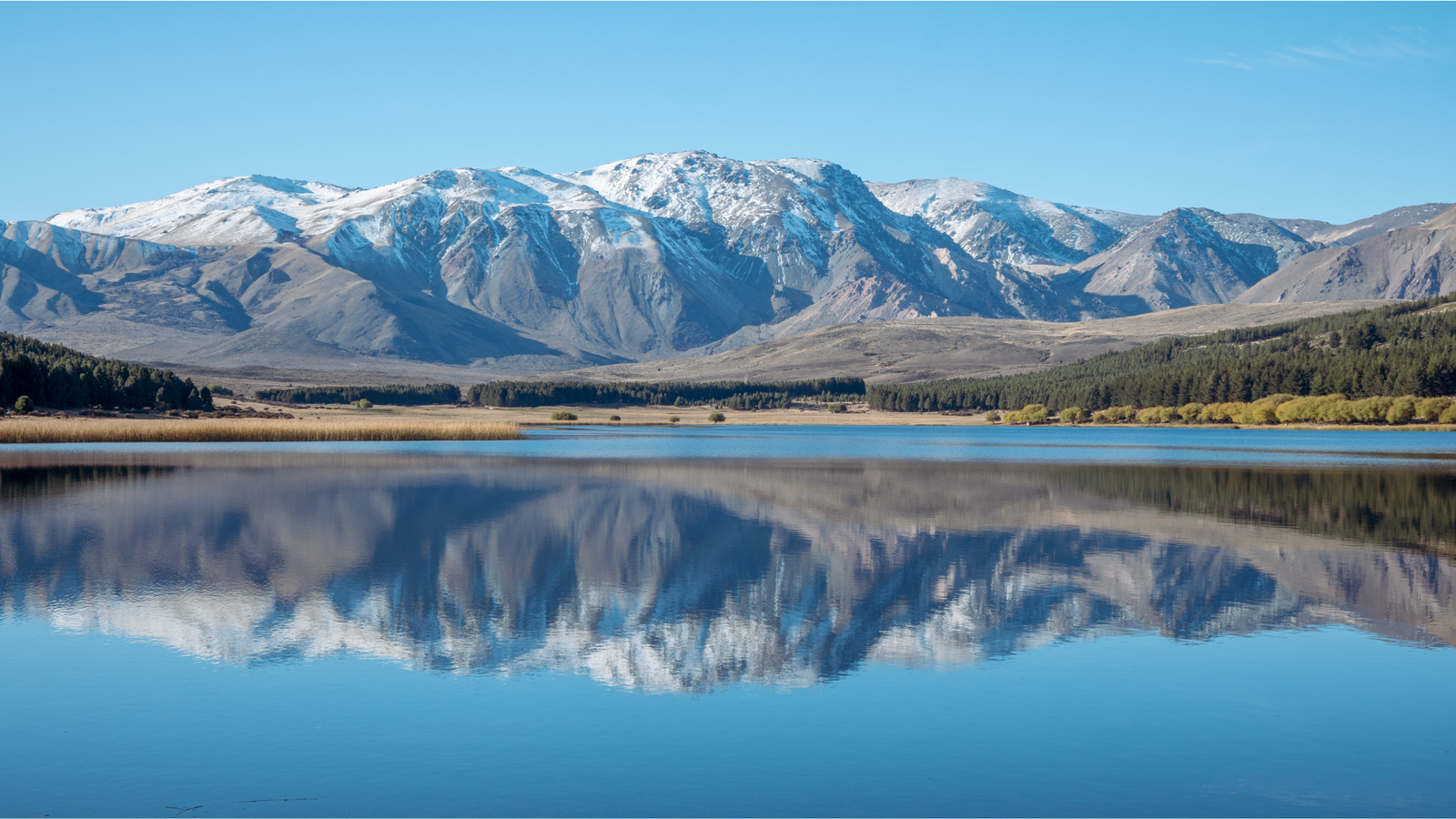
In the remote heart of eastern Nevada, where the vast high desert stretches endlessly, and mountain peaks touch the purest skies, lies the breathtaking Great Basin National Park (Nevada). This extraordinary park is one of the least visited, most enchanting national parks in the United States. It represents the very essence of unspoiled wilderness, where silence is sacred, and nature tells the story of time through ancient bristlecone pines, majestic limestone caves, alpine lakes, and a canopy of stars that has earned this destination its recognition as a premier dark-sky park.
The park covers a landscape that transitions dramatically from desert valleys to glacier-carved summits, making it an awe-inspiring showcase of the American West’s geological and ecological diversity. Travelers who come here discover a rare sense of solitude and intimacy with nature, something that has become increasingly precious in today’s fast-paced, modern world.
Great Basin National Park is famous for several unique features: the Lehman Caves, a stunning marble cavern system filled with stalactites, stalagmites, and other surreal formations; the Wheeler Peak, which rises to over 13,000 feet and provides challenging hikes and panoramic views; and the ancient bristlecone pine groves, home to some of the oldest living trees on Earth, many of which have witnessed thousands of years of history.
Visitors seeking an authentic American wilderness experience will find the Great Basin a perfect retreat for reflection, discovery, and exploration. Much like the towering dunes of Great Sand Dunes National Park and Preserve (Colorado), which capture the raw beauty of earth and wind, Great Basin National Park offers its visitors a journey into the deep silence of stone, sky, and time itself.
Best Time to Visit
The best time to visit Great Basin National Park largely depends on the traveler’s interests, as each season brings its own distinct charm to the park.
Spring (March to May) brings a sense of awakening to the desert floor. Snow begins to melt from the mountains, feeding creeks and rivers, while wildflowers bloom across the lower elevations. This is an ideal season for hiking in the mid-elevation trails such as the Lehman Creek Trail and the Baker Creek area, where temperatures are moderate, and the wildlife is active.
Summer (June to August) is the most popular season for visitors. The higher elevations, including Wheeler Peak, become accessible as the snow recedes. Campgrounds and alpine trails open up, providing opportunities for hiking, camping, and stargazing. Night skies are exceptionally clear during these months, and the park frequently hosts Astronomy Programs and Night Sky Festivals, where telescopes are set up to reveal planets, galaxies, and meteor showers. However, lower elevations can get warm, so early-morning hikes are recommended.
Autumn (September to November) offers crisp air, changing colors, and a quieter atmosphere. The park’s aspens turn golden, creating breathtaking contrasts against the deep blue Nevada skies. Wildlife such as mule deer and elk are more visible, and the visitor crowds thin, providing a tranquil environment for exploration.
Winter (December to February) transforms the park into a snowy wonderland. While access to the upper elevations becomes limited, lower trails and Lehman Caves remain open for guided tours. The snow-capped peaks and peaceful valleys create a pristine setting for photographers and winter travelers who seek solitude.
In 2025, the National Park Service enhanced visitor facilities and introduced improved ranger-led programs focusing on climate awareness, geology, and night sky preservation. These updates aim to create a more engaging and educational experience for travelers while protecting the park’s fragile ecosystem. Visitors interested in planning a trip or learning more about these improvements can explore detailed guides and updates on the Great Basin National Park guide, which offers helpful insights into activities, trails, and conservation efforts. Overall, the park’s ongoing initiatives ensure better accessibility while maintaining a strong commitment to environmental protection year-round.
How to Reach
Reaching Great Basin National Park requires a bit of effort, but this very remoteness is what preserves its tranquil charm. The park is located near the small town of Baker, Nevada, close to the Utah border.
By Air:
The nearest major airports are Salt Lake City International Airport in Utah, approximately 230 miles away, and McCarran International Airport in Las Vegas, roughly 300 miles away. Both airports offer car rental services, which are essential for reaching the park. From Salt Lake City, travelers can drive west through Delta and across the scenic Utah-Nevada desert. From Las Vegas, the route follows U.S. Highway 93 north through Ely, a historic mining town worth a brief stop.
By Road:
Most visitors arrive by car. The primary access route is U.S. Highway 50, famously known as the “Loneliest Road in America.” It runs east-west across Nevada, passing through Ely and connecting to State Route 487 south toward Baker. The drive itself is part of the adventure, with vast desert landscapes, open skies, and occasional glimpses of wildlife.
By Train and Bus:
There are no direct train or bus services to Great Basin National Park. However, travelers can take Amtrak or Greyhound services to Ely or Delta and then continue by rental car.
Driving within the park is easy, as roads are well-marked and scenic. However, visitors should be prepared for limited cell coverage, changing weather, and long stretches without fuel stations.
Estimated Trip Cost
Traveling to Great Basin National Park offers excellent value compared to more commercialized destinations. Below is an approximate cost estimate for a moderate traveler in 2025:
- Flights: $250 to $400 (round-trip domestic)
- Car Rental and Fuel: $60 to $100 per day
- Accommodation: $100 to $250 per night (depending on comfort level)
- Food: $40 to $70 per day per person
- Park Entrance Fees: $15 per vehicle for seven days
- Lehman Caves Tour: $12 for adults, $8 for children
- Camping Fees: $20 to $25 per night
An average 3-day trip may cost around $800 to $1,200 per person, while a week-long stay with lodging and excursions can range from $1,500 to $2,000, depending on travel preferences.
Top Attractions and Activities
Great Basin National Park is a destination of layered beauty, where every altitude and valley reveals something new. The following are its top attractions and lesser-known experiences that define the park’s character:
Lehman Caves:
Discovered in the late 19th century, the Lehman Caves are among the most spectacular limestone caverns in the western United States. Guided tours lead visitors through chambers adorned with stalactites, stalagmites, flowstone, and the rare formations known as “shield structures.” The caves maintain a cool temperature year-round and provide a fascinating look at underground geology and mineral artistry.
Wheeler Peak:
Standing tall at 13,063 feet, Wheeler Peak is the crown of the Snake Range. The Wheeler Peak Trail offers one of the most exhilarating hikes in Nevada, with breathtaking views of alpine lakes, glacial cirques, and wildflower meadows. During the summer months, hikers can ascend to the summit, where they are rewarded with panoramic vistas stretching into Utah and beyond.
Bristlecone Pine Grove:
One of the park’s most treasured attractions is the grove of ancient bristlecone pine trees, some more than 4,000 years old. These twisted, resilient trees grow at high altitudes and are considered among the oldest living organisms on Earth. Visiting these groves is like walking through living history, where each gnarled trunk tells a silent tale of endurance and time.
Stargazing:
Recognized as one of the darkest skies in the continental United States, Great Basin National Park is a haven for astronomers and sky enthusiasts. Visitors can see thousands of stars, the Milky Way, and even distant galaxies with the naked eye. The park regularly hosts Astronomy Programs and Night Sky Festivals that attract travelers from around the world.
Alpine Lakes and Hidden Trails:
Hikes to Stella Lake and Teresa Lake offer serene landscapes surrounded by mountain ridges. For solitude seekers, the Baker Lake Trail and Timber Creek Loop provide quiet, scenic routes filled with wildlife and natural tranquility.
Wildlife and Ecology:
The park’s ecosystem is a rich blend of desert and alpine habitats. Mule deer, mountain lions, golden eagles, and even the rare Great Basin pocket gopher inhabit its diverse terrain.
Accommodation Options
While the park itself offers limited lodging, nearby Baker and Ely provide options for all types of travelers.
Budget Options:
Campgrounds such as Upper Lehman Creek, Lower Lehman Creek, and Baker Creek offer affordable stays amid nature. Sites include picnic tables, fire rings, and restrooms. Prices range from $20 to $25 per night.
Mid-Range Options:
Small motels and lodges in Baker and Ely, such as the Hidden Canyon Retreat and Stargazer Inn, offer comfort with rustic charm. These accommodations often include complimentary breakfast and stargazing opportunities.
Luxury Options:
While luxury resorts are not available near the park, upscale travelers can find boutique lodges in Ely or explore glamping experiences in the Nevada desert, combining comfort with adventure.
Local Food and Cuisine
Though dining options are limited, the surrounding area offers hearty Western meals and friendly local hospitality.
In Baker, Kerouac’s Restaurant and Bar serves fresh, locally sourced dishes, including trout, steaks, and seasonal salads. In Ely, Cell Block Steakhouse offers a unique dining experience in a converted historic building, while Racks Bar and Grill is popular for casual American fare.
Visitors can also enjoy picnic meals within the park, using local produce from Nevada’s farmers’ markets.
Travel Tips and Safety Advice
- Weather: Conditions change quickly. Summer afternoons may be warm, but evenings are cool, and mountain weather can bring sudden storms.
- Packing: Layered clothing, hiking boots, hats, sunscreen, and plenty of water are essential.
- Altitude: Wheeler Peak and high trails reach above 10,000 feet; visitors should acclimate gradually.
- Safety: Wildlife should never be approached or fed.
- Culture: Locals are welcoming and deeply connected to the land. Respect for nature and silence is valued here.
9. Itinerary Suggestions
3 Day Plan:
- Day 1: Arrival and Lehman Caves tour
- Day 2: Hike to Wheeler Peak and visit Bristlecone Pines
- Day 3: Stargazing and exploration of Baker Creek trails
5 Day Plan:
- Add hikes to Stella Lake and Teresa Lake
- Visit the small town of Ely and enjoy local food
- Attend a ranger-led night sky program
7 Day Plan:
- Include extended hikes, photography sessions, and time for relaxation
- Explore nearby ghost towns and scenic drives along U.S. Highway 50
Final Thoughts
Great Basin National Park remains one of America’s most unspoiled treasures. Far from crowds and modern distractions, it offers a profound connection with nature’s oldest stories. From the depths of Lehman Caves to the windswept summit of Wheeler Peak, every step here reveals timeless beauty. Travelers who visit this remote sanctuary discover not only landscapes of extraordinary wonder but also a renewed sense of peace within themselves.
For those seeking the essence of wilderness, the Great Basin is not merely a place on a map; it is a spiritual journey into the heart of Earth’s endurance and silence.
FAQs
What is Great Basin National Park known for?
It is known for its ancient bristlecone pine trees, Lehman Caves, Wheeler Peak, and exceptional stargazing opportunities.
How far is Great Basin National Park from Las Vegas?
Approximately 300 miles, or about a five-hour drive.
Are reservations required for Lehman Caves tours?
Yes, it is recommended to reserve tours in advance through the National Park Service website.
Is camping available in the park?
Yes, several campgrounds operate seasonally within the park, offering scenic natural settings.
Can visitors see snow at Great Basin National Park?
Yes, especially at higher elevations from late autumn through spring.

I am Ethan Miles, exploring the magic of Theme Parks and the beauty of Nature & Outdoors. From thrilling coasters to peaceful trails, I share honest tips, hidden gems, and immersive guides that inspire you to travel deeper and discover more. Whether you are chasing the rush of a roller coaster or the calm of a forest sunrise, my mission is simple to inspire you to explore with curiosity, depth, and joy.


One Comment