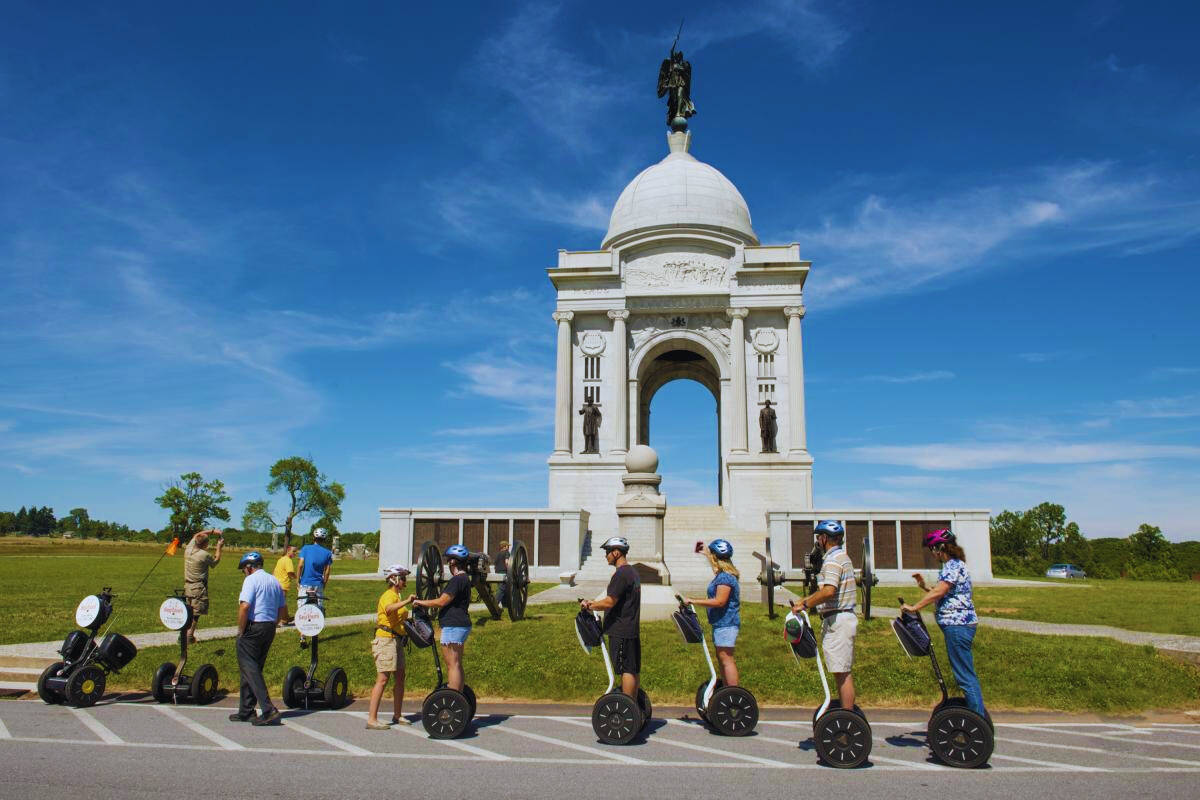
Nestled in the serene landscape of southern Pennsylvania, Gettysburg National Military Park (Pennsylvania) stands as one of the most historically significant sites in the United States. The park preserves the battleground where Union and Confederate forces clashed during the American Civil War in July 1863. It is not only a symbol of courage, sacrifice, and unity but also an enduring reminder of how the nation was reshaped by one of the most defining moments in its history. Every inch of this land speaks of valor and remembrance, where echoes of cannon fire have long been replaced by quiet winds whispering stories of the past.
This travel guide takes you through the vast and emotionally moving landscapes of Gettysburg. From the visitor centers to the historic battlefields, from guided tours to the magnificent memorials, every part of the park offers deep insight into the country’s journey toward unity. For travelers interested in other historic natural wonders, a similar sense of timeless beauty can be found in Glacier Bay National Park and Preserve (Alaska), a pristine wilderness celebrated for its glaciers and marine life.
Gettysburg is not only a destination for history enthusiasts but also for nature lovers, photographers, and families seeking to explore America’s past through immersive and educational experiences. With its renowned museums, powerful memorials, historic monuments, and expansive scenic fields, it offers a meaningful journey of reflection, discovery, and inspiration. Visitors can enhance their experience by exploring exhibits and guided tours available at the Gettysburg Museum & Visitor Center.
Best Time to Visit
The best time to visit Gettysburg is during spring (April to June) and autumn (September to early November) when the weather is mild, and the natural scenery enhances the historic atmosphere. During these seasons, the rolling farmlands around Gettysburg bloom with greenery and flowers, providing a peaceful backdrop for exploration.
In 2025, the National Park Service announced improved visitor facilities and enhanced accessibility options, especially for elderly and differently-abled travelers. The spring season offers pleasant temperatures ranging from 15 to 25 degrees Celsius, perfect for walking tours, historical reenactments, and photography. Autumn, on the other hand, paints the fields in hues of red, orange, and gold, offering an exceptional visual treat.
Summer months, from late June to August, can be warm but ideal for those who want to experience live Civil War reenactments and educational events hosted by park rangers. Winter is the quietest season, offering solitude and reflection as light snow covers the monuments, though some facilities may have reduced hours.
How to Reach
Reaching Gettysburg is convenient due to its central location in Pennsylvania and its proximity to major cities such as Washington, D.C., Baltimore, and Philadelphia.
By Air:
The nearest major airport is Harrisburg International Airport, located approximately 55 miles away. Other accessible airports include Baltimore/Washington International Thurgood Marshall Airport (around 80 miles) and Washington Dulles International Airport (about 85 miles). Car rentals, taxis, and shuttle services are available from all these airports to Gettysburg.
By Road:
Visitors traveling by car will find that Gettysburg is easily accessible via U.S. Route 15 and U.S. Route 30. The drive from Washington, D.C. takes roughly two hours, while from Philadelphia it takes about two and a half hours. The surrounding countryside makes the road trip scenic and relaxing, especially in the spring and fall seasons.
By Train:
Although Gettysburg does not have a direct train station, travelers can take Amtrak to Harrisburg and then use bus or taxi services to reach Gettysburg.
By Bus:
Several intercity bus services operate routes to Gettysburg from nearby major cities. Companies such as Greyhound and Rabbit Transit provide reliable and affordable transportation.
Local shuttle services and guided tour buses are also available within the town, offering convenient access to key attractions inside the park.
Estimated Trip Cost
A well-planned three-day trip to Gettysburg is both affordable and rewarding.
Flights:
Round-trip flights from major cities such as New York, Chicago, or Miami to Harrisburg International Airport range between 250 to 450 United States Dollars, depending on the season and airline promotions.
Accommodation:
Hotel rates in Gettysburg vary depending on the type and location. Budget stays cost around 80 to 120 United States Dollars per night, mid-range hotels average between 150 to 220 United States Dollars, and luxury accommodations can go up to 300 United States Dollars per night.
Food:
Average meal costs are about 15 to 25 United States Dollars per person at local restaurants. Fine dining experiences and historic taverns might cost between 30 and 60 United States Dollars per person.
Transportation:
Car rentals cost around 50 to 80 United States Dollars per day. Local tours and shuttle passes can range from 25 to 60 United States Dollars.
Activities:
Most of the park is free to enter. However, museum entry, guided tours, and reenactment experiences may cost between 10 and 50 United States Dollars. A total budget of 800 to 1200 United States Dollars per person for a 3 to 4-day trip provides a comfortable experience.
Top Attractions and Activities
Gettysburg offers a wealth of attractions that blend history, learning, and reflection.
Gettysburg Battlefield:
This is the central attraction where visitors can explore the fields where the epic battle unfolded in 1863. The site includes several monuments, historical markers, and scenic viewpoints like Cemetery Ridge and Little Round Top.
Gettysburg Museum and Visitor Center:
It offers an outstanding collection of Civil War artifacts, maps, and interactive exhibits. The famous cyclorama painting of Pickett’s Charge provides an immersive experience of the battle.
Soldiers’ National Cemetery:
This is where President Abraham Lincoln delivered his iconic Gettysburg Address. The cemetery holds the graves of Union soldiers and is a deeply moving site to visit.
Pennsylvania State Memorial:
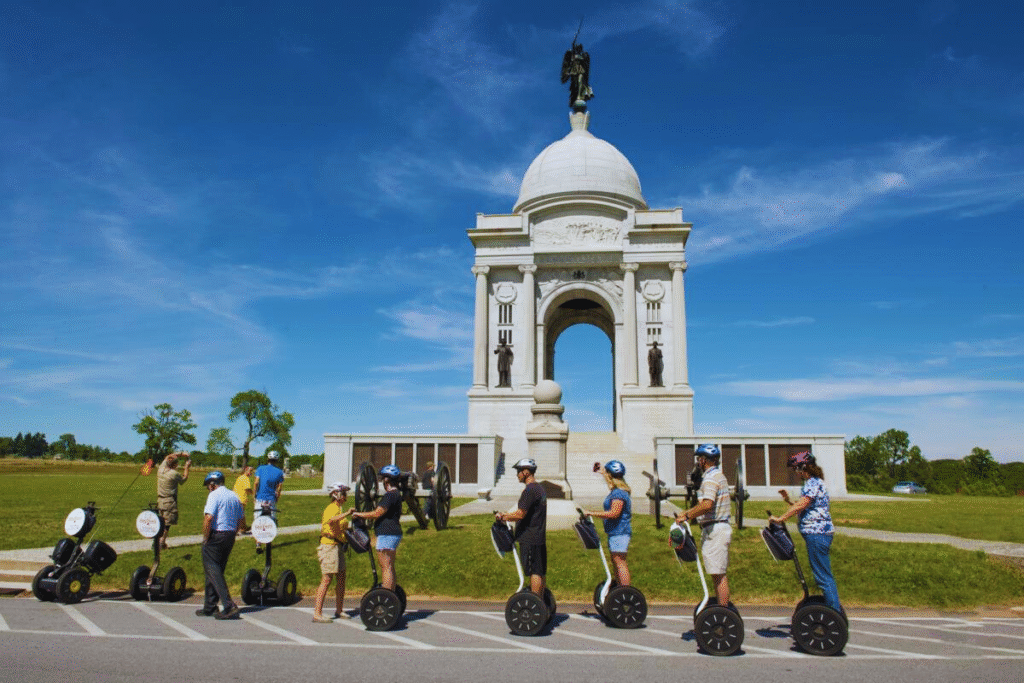
The largest monument on the battlefield honors all Pennsylvanian soldiers who fought in the battle. The panoramic view from its upper deck is breathtaking.
Eisenhower National Historic Site:
The home and farm of President Dwight D. Eisenhower, located adjacent to the park, offer insight into his life and leadership.
David Wills House:
Located in downtown Gettysburg, this house was where Lincoln stayed before delivering his address. It now serves as a museum dedicated to his visit.
Hidden Gems:
Visitors can enjoy the tranquil Plum Run Valley for photography, visit the small but captivating Jennie Wade House Museum (dedicated to the only civilian killed during the battle), and take part in evening ghost tours that reveal the spiritual folklore of the area.
Accommodation Options
Budget Options:
Travelers can stay at affordable motels or guesthouses such as the Quality Inn Gettysburg Battlefield or the Inn at Cemetery Hill. These offer comfortable lodging within walking distance of key attractions.
Mid-range Options:
The Federal Pointe Inn and Best Western Gettysburg provide modern amenities with historic charm. Many mid-range hotels include breakfast and guided tour packages.
Luxury Options:
For visitors seeking elegance, the Gettysburg Hotel and the Brafferton Inn Bed and Breakfast offer luxurious rooms with a touch of 19th-century charm. The Dobbin House Tavern also has historic lodging options.
Camping enthusiasts can also stay at Gettysburg Campground, which offers RV sites, cabins, and tent spaces in peaceful natural surroundings.
Local Food and Cuisine
Gettysburg offers a variety of dining options that combine traditional American flavors with historical ambiance.
Must try Dishes:
Try homemade pot roast, Pennsylvania Dutch chicken pot pie, apple dumplings, and locally sourced farm-to-table meals. The region is also famous for apple cider and craft beer.
Recommended Restaurants:
- Dobbin House Tavern: The oldest and most famous restaurant in Gettysburg, serving colonial-style dishes in a historic setting.
- Blue and Gray Bar and Grill: Known for its Civil War-themed burgers and local brews.
- Food 101: Offers modern American cuisine with a cozy atmosphere.
- Appalachian Brewing Company: A favorite for locally crafted beer and hearty meals.
- The Farnsworth House Inn: Combines dining with history through its period-inspired décor and stories of the Civil War.
Local farmers’ markets are also worth visiting for fresh produce, jams, and baked goods.
Travel Tips and Safety Advice
Weather:
Pack according to the season. Lightweight clothing and sunscreen for summer, warm jackets for autumn and winter, and rain gear during spring.
Cultural Etiquette:
The park is a place of remembrance, so respectful behavior is encouraged. Visitors should maintain silence near memorials and gravesites.
Safety Tips:
Stay on designated paths, especially near wooded or rocky areas. Carry water during long walks and follow ranger instructions during guided tours.
Packing Tips:
Comfortable walking shoes, hats, sunscreen, a camera, and a notebook for historical notes are recommended. Binoculars are useful for viewing distant monuments and wildlife.
Itinerary Suggestions
3 Day Itinerary:
- Day 1: Visit the Gettysburg Museum and Visitor Center, explore the main battlefield, and view the cyclorama.
- Day 2: Tour the Soldiers’ National Cemetery, Pennsylvania State Memorial, and the David Wills House.
- Day 3: Explore hidden spots such as Jennie Wade House Museum and take part in an evening ghost tour.
5 Day Itinerary:
- Follow the 3-day plan and add a visit to the Eisenhower National Historic Site.
- Spend an afternoon in downtown Gettysburg for local shopping and dining.
- Visit the Plum Run Valley for nature walks and photography.
7 Day Itinerary:
- Include all activities from the 5-day plan.
- Attend ranger-led programs, take a horseback battlefield tour, and explore nearby towns such as Hanover.
- Enjoy leisure time at local wineries and experience Civil War reenactments if scheduled.
Final Thoughts
Gettysburg is more than just a battlefield. It is a living classroom, a sacred ground of remembrance, and a window into the soul of American history. Every monument, every open field, and every word from the Gettysburg Address continues to inspire generations to value peace and unity. The park beautifully balances education, reflection, and exploration, making it one of the most significant historical destinations in the United States. A journey here is not simply a visit to the past, but a deeper understanding of courage, sacrifice, and resilience.
FAQs
Where is Gettysburg located?
It is located in Adams County, southern Pennsylvania, approximately 55 miles from Harrisburg.
What is the main attraction in Gettysburg?
The main attraction is the battlefield where the 1863 Civil War battle took place, along with its numerous monuments and museums.
Is there an entrance fee to visit the park?
Entry to most areas of the park is free, though some museums and tours have a small fee.
How long should I spend at Gettysburg?
A minimum of two to three days is recommended to explore the main battlefield and museums thoroughly.
Are there guided tours available?
Yes, ranger-led tours, self-guided car tours, and private guided tours are available for visitors.

I am Ethan Miles, exploring the magic of Theme Parks and the beauty of Nature & Outdoors. From thrilling coasters to peaceful trails, I share honest tips, hidden gems, and immersive guides that inspire you to travel deeper and discover more. Whether you are chasing the rush of a roller coaster or the calm of a forest sunrise, my mission is simple to inspire you to explore with curiosity, depth, and joy.