
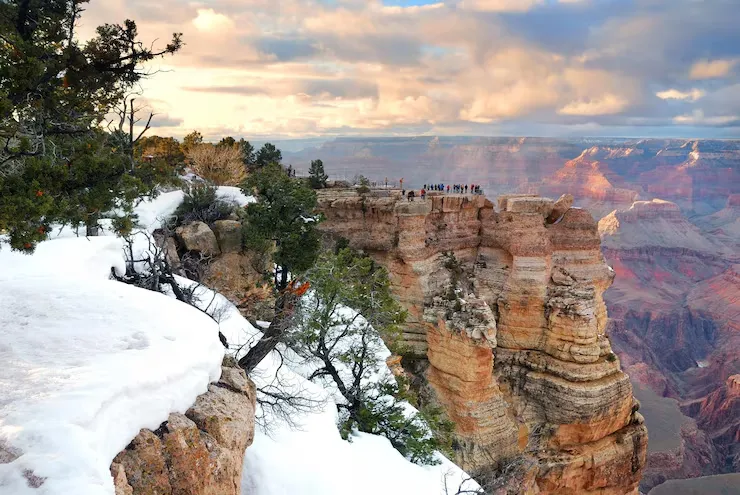
El Capitan, one of the most iconic landmarks of Yosemite National Park in California, stands as a testament to the majesty and grandeur of the Sierra Nevada. Towering over 3,000 feet from base to summit, this granite monolith attracts climbers, hikers, photographers, and nature enthusiasts from across the world. Situated within Yosemite Valley, El Capitan is renowned for its sheer vertical face, making it one of the most challenging and revered climbing destinations globally. The landmark is not only a natural wonder but also a symbol of adventure, resilience, and exploration.
El Capitan has been featured in countless documentaries, photographs, and climbing narratives, becoming a bucket-list destination for many travelers. The site combines historical significance with natural splendor, offering breathtaking views of the valley, waterfalls, and surrounding granite cliffs. Its vertical walls challenge even the most experienced climbers, while its accessible trails and viewpoints allow casual visitors to experience its magnificence safely.
For travelers seeking to explore other unique natural landscapes in addition to Yosemite, a visit to El Yunque National Forest (Puerto Rico) offers an immersive experience in tropical rainforests, waterfalls, and lush biodiversity. Linking these destinations highlights the diverse natural wonders available to travelers in both continental and tropical regions, demonstrating the breadth of experiences in North America.
El Capitan, one of the most iconic landmarks in Yosemite National Park, is far more than just a towering rock formation; it embodies centuries of geological evolution, legendary climbing achievements, and breathtaking natural beauty. Renowned among climbers and photographers worldwide, this massive granite monolith stands as a symbol of adventure and exploration. From historic ascents to its status as a visual masterpiece, El Capitan continues to captivate visitors and nature enthusiasts alike. For detailed insights into its history and significance, explore this comprehensive guide on El Capitan.
Best Time to Visit (Latest Information)
Choosing the ideal time to visit El Capitan ensures favorable weather, safe climbing conditions, and optimal sightseeing experiences.
Spring (March to May): Spring is one of the best seasons to visit Yosemite National Park. Temperatures range from fifty to seventy degrees Fahrenheit, providing comfortable conditions for hiking, photography, and outdoor exploration. Snowmelt enhances waterfalls, making them particularly stunning for visitors. Spring is moderately busy, especially around Easter and spring break, so early reservations for lodging are recommended.
Summer (June to August): Summer offers long daylight hours and clear skies, ideal for hiking, climbing, and photography. Temperatures typically range from sixty-five to eighty-five degrees Fahrenheit in the valley. This is the busiest season, attracting families, climbers, and tourists. While summer provides the most accessible conditions for climbing and trails, it also requires careful planning to avoid crowded areas.
Autumn (September to November): Autumn offers cooler temperatures from fifty to seventy-five degrees Fahrenheit and fewer crowds, creating a serene environment for sightseeing. The changing foliage adds vibrant colors to the valley, enhancing photographic opportunities. September and October are particularly favorable for climbing due to stable weather and reduced congestion.
Winter (December to February): Winter brings colder temperatures ranging from thirty to fifty degrees Fahrenheit. Snowfall is common at higher elevations, which may limit climbing activities but offers stunning vistas and solitude. Winter is ideal for visitors seeking a quiet experience, wildlife observation, and unique photographic compositions with snow-capped cliffs.
Overall, spring and autumn are considered the best times to visit El Capitan, balancing pleasant weather, accessible trails, and fewer crowds. Travelers planning climbs or extended hikes should monitor weather forecasts and seasonal conditions to ensure safety.
How to Reach
El Capitan is located in Yosemite National Park, approximately 160 miles northeast of San Francisco and 200 miles east of Sacramento. The park is accessible by air, road, and public transportation, offering multiple options for travelers.
By Air: The nearest major airports are Fresno Yosemite International Airport, approximately 95 miles south of the park, and San Francisco International Airport, roughly four hours away by car. Both airports provide rental car services and shuttle options to Yosemite.
By Car: Driving is the most popular method for reaching Yosemite. Visitors can access the park via State Route 120, State Route 140, or State Route 41. Yosemite Valley, where El Capitan is located, offers designated parking areas, though early arrival is recommended during peak seasons.
By Bus: YARTS (Yosemite Area Regional Transportation System) provides bus services from neighboring cities, including Merced, Fresno, and Mammoth Lakes. The system allows travelers to enter the park without the hassle of driving, though schedules may vary seasonally.
Inside the Park: Once in Yosemite Valley, El Capitan can be accessed via several viewpoints and trails. Popular viewpoints include the El Capitan Meadow, Tunnel View, and Yosemite Valley Loop Trail. Biking, walking, and shuttle services are available for convenient navigation.
Accessibility: While some areas are steep and challenging, designated viewpoints offer accessible platforms for visitors with mobility challenges, providing safe and stunning perspectives of El Capitan.
Estimated Trip Cost
Visiting El Capitan requires budgeting for transportation, accommodation, food, park fees, and optional activities.
- Park Entrance Fees: Yosemite National Park charges thirty-five dollars per vehicle for a seven-day pass. Annual passes and discounted options are available for frequent visitors.
- Accommodation: Lodging within or near the park ranges from budget campsites at twenty-five to fifty dollars per night, mid-range hotels at two hundred to four hundred dollars per night, and luxury accommodations up to seven hundred dollars per night.
- Food and Dining: Restaurants, cafes, and grocery stores near Yosemite Valley offer meals ranging from ten to fifty dollars per person. Camping requires additional supplies for cooking and hydration.
- Activities: Climbing permits, guided tours, and adventure experiences may range from fifty to several hundred dollars, depending on duration and level of expertise. Photography workshops and ranger programs may have minimal fees or be included with park entrance.
Overall, a three-day trip to Yosemite and El Capitan may cost approximately four hundred to eight hundred dollars per person, depending on travel choices, accommodation preferences, and activities planned.
Top Attractions and Activities
El Capitan provides a variety of attractions and activities suitable for all levels of travelers.
Climbing: El Capitan is world-famous for its technical climbing routes. Classic climbs such as The Nose, Salathé Wall, and Lurking Fear attract professional climbers. For beginners, ranger-guided climbing programs and local instructors provide safe experiences for learning techniques and building confidence.
Hiking: While the summit climb is challenging, nearby trails such as the Yosemite Valley Loop Trail and Panorama Trail offer scenic views of El Capitan and surrounding landmarks. These trails allow visitors to experience the grandeur of the granite cliffs without specialized climbing equipment.
Photography: El Capitan is a photographer’s paradise. Popular viewpoints like Tunnel View and El Capitan Meadow provide unobstructed vistas for capturing sunrise, sunset, and seasonal changes. Wildlife, waterfalls, and unique geological formations enhance the composition possibilities.
Camping and Nature Observation: Yosemite Valley and the surrounding areas offer campgrounds for immersive outdoor experiences. Visitors can observe diverse flora and fauna, including black bears, mule deer, and peregrine falcons, while enjoying the tranquility of the wilderness.
Hidden Gems: Areas such as El Capitan Meadow, Cathedral Beach Picnic Area, and Sentinel Beach offer quieter, less crowded experiences. These locations are ideal for birdwatching, meditation, and intimate encounters with nature.
Ranger Programs and Guided Tours: Park rangers provide educational programs on the geology, history, and ecology of El Capitan. Guided hikes, climbing workshops, and evening talks deepen understanding of the park’s significance.
Adventure and Recreation: In addition to climbing, visitors can enjoy rock scrambling, birdwatching, and day trips along the Merced River. Photography workshops, yoga sessions, and nature retreats are increasingly popular for enhancing the visitor experience.
Accommodation Options
Camping: Yosemite offers multiple campgrounds, including North Pines, Lower Pines, and Camp 4 near El Capitan. Facilities include picnic tables, fire rings, restrooms, and potable water. Reservations are essential during peak seasons.
Lodges and Hotels: Yosemite Valley Lodge and The Ahwahnee provide mid-range and luxury accommodations. These lodges offer comfortable rooms, on-site dining, and convenient access to El Capitan viewpoints.
Nearby towns, such as Mariposa, Groveland, and Oakhurst, provide additional lodging options. Budget motels, vacation rentals, and boutique inns cater to various preferences and group sizes.
Extended Stay Options: For travelers planning multi-day climbs or hikes, extended stay rentals and cabins offer kitchens, living areas, and amenities suitable for families and groups.
Local Food and Cuisine
While inside Yosemite, dining options are available at lodges, cafes, and visitor centers.
Must Try Dishes: Signature dishes include trout from the Merced River, locally sourced wild game, seasonal vegetables, and freshly baked bread. Sweet treats such as apple pie and locally roasted coffee enhance the culinary experience.
Recommended Restaurants: Yosemite Valley Lodge Dining Room, The Ahwahnee Dining Room, and Degnan’s Kitchen offer high-quality meals with scenic views. Nearby towns provide additional options, including Italian, Mexican, and American cuisine.
Family-Friendly Options: Cafes and quick-service restaurants cater to families, offering children’s menus and outdoor seating suitable for pre- or post-hiking meals.
Seasonal Flavors: Seasonal menus highlight locally grown produce, forest-foraged mushrooms, and regional specialties, providing a taste of California’s diverse culinary landscape.
Travel Tips and Safety Advice
Weather and Climate: Yosemite experiences hot summers, mild springs and autumns, and cold winters. Layered clothing, sun protection, and hydration are essential year-round.
Climbing Safety: El Capitan is technically challenging. Climbers should carry appropriate gear, follow permits and regulations, and ideally have guided instruction. Weather changes, falling rocks, and altitude should be considered.
Wildlife Awareness: Respect for wildlife is crucial. Do not feed animals, maintain a safe distance, and secure food properly.
Packing Essentials: Hiking boots, climbing equipment, water, sunscreen, hats, cameras, and portable chargers are recommended.
Crowd Management: Early arrival, use of shuttle services, and visiting hidden viewpoints minimize congestion, enhancing the overall experience.
Itinerary Suggestions
Three-Day Itinerary:
- Day One: Arrive at Yosemite, explore El Capitan viewpoints, sunset photography.
- Day Two: Guided hike or climbing session, ranger-led program, picnic at El Capitan Meadow.
- Day Three: Short trail exploration, photography, and depart Yosemite.
Five-Day Itinerary:
- Days One to Three: Follow the three-day plan.
- Day Four: Extended hiking along Panorama Trail, Merced River exploration.
- Day Five: Leisure activities, souvenir shopping in nearby towns, departure.
Seven-Day Itinerary:
- Days One to Five: Follow five-day plan.
- Day Six: Multi-day climbing or backpacking expedition in Yosemite Valley.
- Day Seven: Photography, birdwatching, relaxation, and return travel.
Final Thoughts
El Capitan in Yosemite National Park is an iconic symbol of natural grandeur, adventure, and exploration. Its vertical cliffs attract climbers worldwide, while its accessible viewpoints and trails allow travelers of all levels to appreciate its magnificence. From photography and hiking to historical exploration and wildlife observation, El Capitan offers a multifaceted experience.
For travelers seeking additional extraordinary destinations, El Yunque National Forest (Puerto Rico) provides tropical landscapes, waterfalls, and lush biodiversity, complementing the granite majesty of Yosemite with a vibrant rainforest adventure. By visiting these destinations, travelers experience the spectrum of North American natural beauty, from soaring cliffs to tropical canopies.
Proper planning, respect for wildlife, and awareness of seasonal conditions ensure a safe, memorable, and enriching visit to El Capitan. This natural wonder continues to inspire generations of adventurers, photographers, and travelers, leaving an indelible mark on those fortunate enough to explore it.
FAQ’s
What is the height of El Capitan?
El Capitan rises approximately 3,000 feet from base to summit along its vertical face.
Can beginners climb El Capitan?
Beginners should not attempt the full climb but can take guided climbing lessons or enjoy the surrounding trails.
Are pets allowed in Yosemite National Park?
Pets are permitted in certain areas but prohibited on most trails for safety and wildlife protection.
Is camping available near El Capitan?
Yes, several campgrounds offer permits and facilities within proximity to El Capitan.
Can I visit Yosemite year-round?
Yes, Yosemite is open year-round, but conditions vary with seasons, affecting accessibility and safety.

I am Ethan Miles, exploring the magic of Theme Parks and the beauty of Nature & Outdoors. From thrilling coasters to peaceful trails, I share honest tips, hidden gems, and immersive guides that inspire you to travel deeper and discover more. Whether you are chasing the rush of a roller coaster or the calm of a forest sunrise, my mission is simple to inspire you to explore with curiosity, depth, and joy.


One Comment