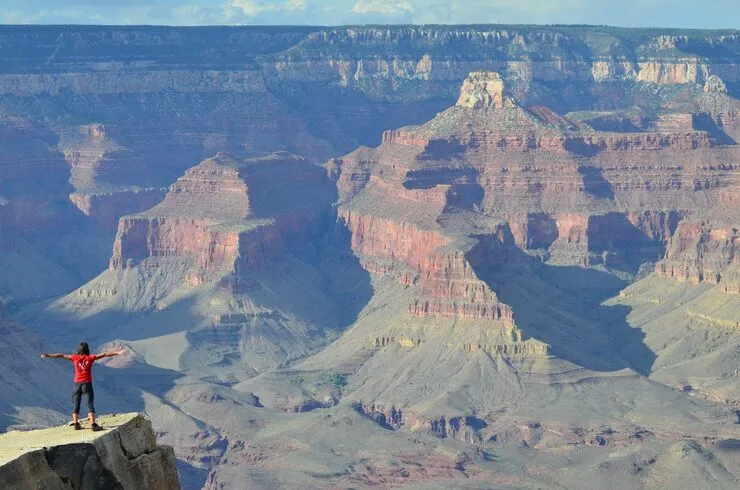

Nestled gracefully within the Indonesian archipelago, Bali stands as one of the most enchanting islands on earth, captivating travelers with its serene beaches, majestic temples, lush rice terraces, and a deep cultural heritage that breathes through every village and festival. Located between Java and Lombok, Bali is often referred to as the “Island of the Gods,” a name that reflects its spiritual aura and breathtaking natural beauty. From the moment travelers step off the plane, they are greeted by an atmosphere of warmth, color, and calm that few destinations in the world can match.
Bali is not just about tropical beaches and luxury resorts. It is an island where spirituality and art coexist with vibrant nightlife, surf culture, and culinary adventures. Its energy draws digital nomads, honeymooners, backpackers, and families alike. The unique blend of ancient traditions, lush landscapes, and modern comforts makes it an ideal destination for those seeking relaxation, adventure, and cultural discovery.
Those who have explored other destinations such as Disneyland Park in California will find Bali to be a completely different yet equally immersive experience. Where Disneyland celebrates fantasy and imagination, Bali embodies the living magic of nature and tradition that continues to inspire millions every year.
Best Time to Visit
The best time to visit Bali is during its dry season, which runs from April to October. This period offers abundant sunshine, calm seas, and clear skies, ideal for beach activities, outdoor exploration, and cultural tours. During these months, temperatures range from 26 to 31 degrees Celsius, making it perfect for surfing, diving, hiking, and temple visits.
April to June is considered the shoulder season, offering excellent weather with fewer tourists and better accommodation deals. July and August are peak months when the island is lively with festivals, beach parties, and cultural performances. The rainy season, from November to March, brings occasional tropical showers, lush greenery, and fewer crowds — perfect for travelers seeking a more tranquil Bali experience.
In 2025, local authorities have also introduced eco-tourism programs that encourage visitors to participate in beach cleanups and sustainable tours during both the wet and dry seasons. Visiting during local festivals such as Galungan or Nyepi (Balinese New Year) offers a once-in-a-lifetime chance to witness the island’s strong spiritual identity.
How to Reach (Flights, Road, Train, and Bus Details)
Bali is served by Ngurah Rai International Airport (DPS), located in Denpasar, which connects the island to major international and domestic destinations. Direct international flights operate regularly from Singapore, Kuala Lumpur, Bangkok, Dubai, Tokyo, Sydney, and Doha. Travelers from Europe or North America can reach Bali through connecting flights via Singapore, Kuala Lumpur, or Doha.
For domestic travelers, several Indonesian airlines, including Garuda Indonesia and Lion Air, offer daily flights from Jakarta, Surabaya, and Yogyakarta.
Once in Bali, transportation options include taxis, private transfers, and ride-hailing apps such as Grab or Gojek. While there are no trains in Bali, buses and minibuses known as bemos connect major towns and tourist areas. Renting a scooter or car provides the freedom to explore Bali’s hidden corners, such as the lush jungles of Ubud or the cliffs of Uluwatu.
Some adventurous travelers also arrive in Bali via ferry from Java, crossing the Bali Strait between Banyuwangi (East Java) and Gilimanuk (West Bali).
Estimated Trip Cost (Flights, Hotels, Food, Transport, and Activities)
Bali caters to every budget, from backpackers seeking affordable hostels to luxury travelers staying in oceanfront villas. Below is a general breakdown of a 7-day trip cost for 2025:
- Flights: International round-trip airfare ranges from 700 to 1300 USD, depending on the origin.
- Accommodation: Budget stays cost around 20 to 40 USD per night, mid-range hotels from 70 to 150 USD, and luxury resorts can range between 250 and 600 USD per night.
- Food: Local warungs (small restaurants) serve traditional meals for 3 to 5 USD, while fine dining experiences range from 25 to 60 USD per person.
- Transportation: Renting a scooter costs 8 to 12 USD per day, while private drivers charge around 50 to 80 USD per day.
- Activities: Entry fees for temples and attractions are usually 2 to 10 USD, while popular tours such as Nusa Penida island trips or scuba diving excursions cost 50 to 120 USD.
Overall, an average traveler can expect to spend around 1000 to 1500 USD per person for a comfortable 7-day vacation, inclusive of accommodation, meals, local transport, and tours.
Top Attractions and Activities (Famous and Hidden Gems)
Bali is a paradise for explorers and culture lovers. Every region on the island offers something unique, whether it is natural beauty, traditional art, or spiritual serenity.
1. Ubud – The Cultural Heart of Bali
Ubud is known for its lush rice terraces, art markets, yoga retreats, and spiritual atmosphere. Visit the Tegalalang Rice Terrace, the Sacred Monkey Forest Sanctuary, and the Ubud Art Market. Participate in traditional dance performances and join yoga or meditation sessions overlooking the Ayung River.
2. Seminyak and Canggu – Trendy Beach Escapes
Seminyak is popular for its chic beach clubs, high-end dining, and designer boutiques. Nearby Canggu offers surf-friendly beaches, bohemian cafes, and coworking hubs for digital nomads. Watch the sunset at La Plancha Beach Bar or visit Tanah Lot Temple for stunning coastal views.
3. Nusa Penida and Nusa Lembongan – Island Adventures
These small islands off Bali’s coast are famous for dramatic cliffs, turquoise waters, and snorkeling with manta rays. Kelingking Beach and Crystal Bay are among the most photographed spots in Indonesia.
4. Uluwatu – The Clifftop Gem
Uluwatu is home to the majestic Uluwatu Temple, perched dramatically on a seaside cliff. Witness the Kecak Fire Dance during sunset and explore surf beaches such as Padang Padang and Bingin.
5. Mount Batur – Volcano Trekking Experience
For adventurers, the sunrise hike to Mount Batur is unforgettable. Starting early in the morning, trekkers reach the summit in time to witness the sun rising over Lake Batur and Mount Agung.
6. Hidden Gems – Offbeat Bali
Discover Sidemen Valley, a quiet rural region with scenic rice fields and homestays. Visit Tukad Cepung Waterfall, hidden within a cave, and explore the tranquil beaches of Amed and Lovina, known for dolphin watching.
Accommodation Options (Budget, Mid-range, Luxury)
Bali offers a vast range of accommodation suited to every taste and budget.
Budget:
Hostels such as Puri Garden Hostel in Ubud or The Farm Hostel in Canggu are ideal for solo travelers, providing comfortable stays, social environments, and access to nearby cafes and yoga centers.
Mid-range:
Boutique hotels such as The Sankara Resort Ubud and Amnaya Resort Kuta offer modern amenities combined with Balinese hospitality. Prices typically range from 80 to 150 USD per night.
Luxury:
For those seeking opulence, The St. Regis Bali Resort in Nusa Dua, Four Seasons Resort Sayan in Ubud, and Alila Villas Uluwatu provide world-class experiences with private pools, spa services, and ocean views.
Local Food and Cuisine (Must-Try Dishes and Restaurants)
Balinese cuisine reflects a fusion of flavors from Indonesia, India, and China, characterized by spices, herbs, and coconut.
Must-Try Dishes:
- Nasi Campur: Mixed rice with vegetables, satay, and fried tempeh.
- Babi Guling: Traditional roasted suckling pig served during ceremonies.
- Lawar: Minced meat salad with herbs and grated coconut.
- Sate Lilit: Spiced minced fish wrapped around bamboo sticks.
- Nasi Goreng: Indonesian fried rice with egg and prawns.
Recommended Restaurants:
- Locavore in Ubud: A fine dining restaurant known for innovative use of local ingredients.
- Mamasan in Seminyak: Combines Southeast Asian flavors with a modern twist.
- Warung Bintangbali: Authentic local dishes in a scenic Ubud setting.
- La Lucciola: Beachfront Italian restaurant offering romantic sunsets.
Travel Tips and Safety Advice (Weather, Culture, and Packing Tips)
Weather:
Pack light cotton clothes, sunscreen, and swimwear. A rain jacket is useful during the rainy season.
Culture:
Respect local customs by dressing modestly when visiting temples. Always remove shoes before entering sacred sites and never point your feet toward religious statues.
Health and Safety:
Drink bottled water, carry mosquito repellent, and ensure you have travel insurance that covers adventure activities.
Transportation:
Traffic can be busy, so hire local drivers or use scooters cautiously.
Sustainability:
Bali encourages eco-conscious travel. Use refillable bottles, avoid single-use plastics, and support local artisans and sustainable accommodations.
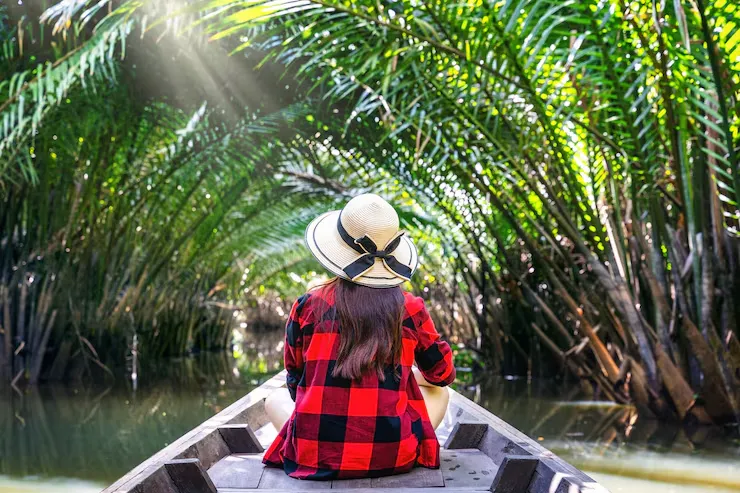
Itinerary Suggestions (3-Day, 5-Day, and 7-Day Plans)
3-Day Itinerary:
- Day 1: Arrive in Denpasar, explore Seminyak Beach and Tanah Lot Temple.
- Day 2: Head to Ubud, visit Monkey Forest, and enjoy Balinese cuisine.
- Day 3: Take a sunrise tour at Mount Batur and relax in hot springs.
5-Day Itinerary:
- Day 1-2: Explore the beaches of Seminyak and Canggu.
- Day 3: Visit Ubud’s rice terraces and art markets.
- Day 4: Take a day trip to Nusa Penida.
- Day 5: End with Uluwatu Temple and a sunset Kecak Dance.
7-Day Itinerary:
- Days 1-2: Explore South Bali’s beaches and nightlife.
- Day 3: Visit Ubud and take a yoga class.
- Day 4: Go on a sunrise hike to Mount Batur.
- Day 5: Discover Nusa Penida’s hidden beaches.
- Day 6: Visit Lovina for dolphin watching.
- Day 7: End with shopping and a traditional spa session.
Final Thoughts
Bali remains one of the world’s most inspiring travel destinations, where natural beauty meets ancient tradition and modern luxury. Its welcoming people, diverse attractions, and cultural depth make it more than a simple vacation spot. Whether travelers come for adventure, wellness, art, or relaxation, Bali offers an experience that stays forever in memory.
FAQs
What is the best month to visit Bali?
The ideal months are from April to October, with July and August being the busiest.
Is Bali safe for solo travelers?
Yes, Bali is considered one of the safest destinations in Southeast Asia, especially for solo and female travelers.
Can I drink tap water in Bali?
No, it is safer to drink bottled or filtered water.
What currency is used in Bali?
The Indonesian Rupiah (IDR) is the local currency.
Are there any visa requirements for visiting Bali?
Many nationalities can enter Bali visa-free for up to 30 days, but check the current visa policies before traveling.

I am Ethan Miles, exploring the magic of Theme Parks and the beauty of Nature & Outdoors. From thrilling coasters to peaceful trails, I share honest tips, hidden gems, and immersive guides that inspire you to travel deeper and discover more. Whether you are chasing the rush of a roller coaster or the calm of a forest sunrise, my mission is simple to inspire you to explore with curiosity, depth, and joy.