

Blue Ridge Parkway, stretching across the Appalachian Mountains of North Carolina and Virginia, is a scenic treasure renowned for its panoramic vistas, rolling hills, and vibrant seasonal foliage. This iconic parkway, often referred to as “America’s favorite drive,” offers travelers a unique opportunity to immerse themselves in nature, history, and culture. Spanning over four hundred and sixty miles, the route connects the Shenandoah National Park in Virginia to the Great Smoky Mountains National Park in North Carolina. Visitors can enjoy leisurely drives, numerous overlooks, hiking trails, and recreational areas while discovering the rich Appalachian heritage. For those planning extended road trips or complementary excursions, it is worth comparing experiences with destinations such as Buffalo Yellowstone Park to enhance the journey and diversify travel experiences.
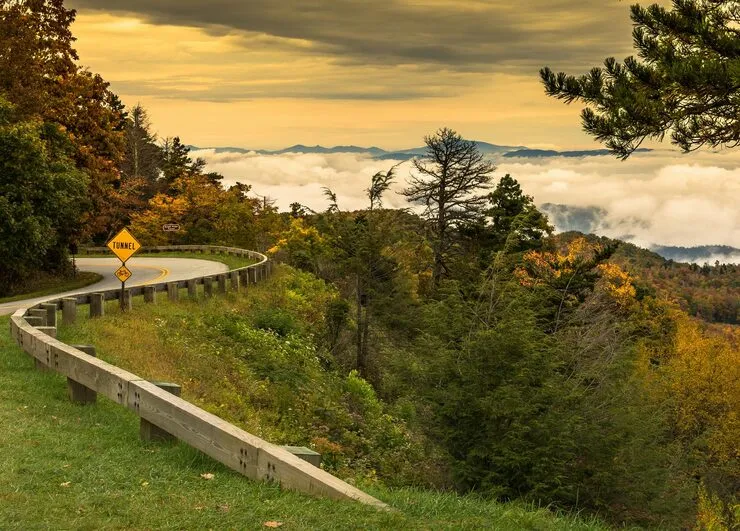
The parkway is famous for providing access to diverse ecosystems, ranging from lush forests and cascading waterfalls to meadows and wildlife habitats. Along the route, travelers encounter numerous visitor centers, historic sites, and cultural landmarks that reflect the history and traditions of the Appalachian region. The parkway is especially celebrated for its fall foliage, when the mountains are transformed into a vibrant tapestry of red, orange, and yellow leaves. Whether travelers are seeking adventure, relaxation, or educational opportunities, the Blue Ridge Parkway offers an experience that combines the serenity of nature with the excitement of exploration.
Best Time to Visit
The ideal period to visit the Blue Ridge Parkway is from late spring through early autumn, specifically May through October. During this time, the weather is generally pleasant, with daytime temperatures ranging from sixty-five to eighty degrees Fahrenheit. Late spring months, including May and June, showcase blooming wildflowers, verdant forests, and mild temperatures that are perfect for hiking, photography, and sightseeing. Summer, particularly July and August, offers long daylight hours ideal for extended drives, outdoor activities, and family excursions.
Autumn is arguably the most popular season, with September and October providing vibrant fall foliage that attracts photographers, nature enthusiasts, and tourists from around the world. The cooler temperatures and crisp air enhance the scenic beauty, making it a perfect time for outdoor adventures. Visitors should note that early mornings and evenings may bring fog or mist, creating atmospheric views along the parkway but occasionally reducing visibility. Winter months, from November through March, are less favorable for casual travelers due to cold temperatures and occasional snow or ice. However, winter can be ideal for those seeking solitude, winter photography, or specialized activities such as snowshoeing in accessible areas.
How to Reach
Blue Ridge Parkway is accessible by multiple transportation modes, including air, road, and rail, making it convenient for both domestic and international travelers.
By Air: The nearest major airports include Charlotte Douglas International Airport in North Carolina, Raleigh-Durham International Airport, and Roanoke Regional Airport in Virginia. These airports provide numerous domestic flights and connections to international destinations. From the airports, travelers can rent a car to access the parkway, which is essential as the route stretches through remote and scenic areas not served by public transport.
By Road: The parkway is primarily accessed via U.S. Highways, state roads, and local roads that connect to major cities such as Asheville, North Carolina, and Roanoke, Virginia. Travelers driving along the parkway will experience some of the most scenic roadways in the United States, with frequent overlooks and scenic pullouts offering photography opportunities and rest areas.
By Rail and Bus: While there is no direct rail line through the Blue Ridge Parkway, Amtrak provides service to nearby cities, including Asheville and Roanoke. From these stations, local taxi services, ride shares, or rental cars are recommended to access the parkway. Greyhound and regional bus services provide limited options to nearby towns, but private transportation is advised for convenience and flexibility.
Estimated Trip Cost
Visiting the Blue Ridge Parkway involves various expenses, including flights, accommodation, food, transportation, and recreational activities.
Flights: Domestic round-trip flights to Charlotte, Raleigh, or Roanoke range from three hundred to six hundred dollars per person, depending on the season, airline, and booking time.
Accommodation: Budget-friendly lodging, including motels and guesthouses in nearby towns, typically costs between seventy-five and one hundred fifty dollars per night. Mid-range hotels, cabins, and lodges offering enhanced amenities, such as private bathrooms, scenic views, and access to parkway attractions, generally range from one hundred fifty to three hundred dollars per night. Luxury accommodations, including upscale resorts and private cabins with premium facilities, may cost between four hundred and six hundred dollars per night.
Food: Dining expenses vary depending on preferences. Casual restaurants and cafes charge approximately ten to twenty dollars per meal, whereas fine dining experiences typically range from twenty-five to fifty dollars per person. Many visitors also enjoy picnics at scenic overlooks or trailheads, taking advantage of local markets and grocery stores to prepare meals.
Transportation: A rental car is recommended to explore the parkway fully, with daily rates ranging from forty to seventy dollars depending on the vehicle type and season. Entrance fees for specific sites or visitor centers along the route are generally nominal, ranging from ten to fifteen dollars per vehicle. Additional costs may include guided tours, adventure activities such as kayaking or horseback riding, and parking fees at specific trailheads.
Activities: Hiking, wildlife observation, photography, and scenic drives are mostly free. However, some guided experiences, workshops, or special programs may have fees ranging from twenty to one hundred dollars per activity.
Top Attractions and Activities
Blue Ridge Parkway offers numerous attractions and activities for travelers seeking nature, history, and recreation.
- Scenic Overlooks: There are over two hundred overlooks along the parkway, providing panoramic views of the Appalachian Mountains, valleys, and rolling hills. Notable viewpoints include Linville Falls, Craggy Gardens, and the Peaks of Otter.
- Hiking Trails: Trails range from easy strolls to challenging hikes. Popular options include Humpback Rocks, Black Balsam Knob, and Graveyard Fields. Each trail offers unique experiences, including waterfalls, wildflower meadows, and breathtaking vistas.
- Waterfalls: Several waterfalls are accessible from the parkway, including Linville Falls, Crabtree Falls, and Sliding Rock. These locations provide opportunities for photography, picnicking, and nature walks.
- Visitor Centers: Educational centers along the parkway, such as the Blue Ridge Parkway Visitor Center in Asheville and the Peaks of Otter Visitor Center in Virginia, provide exhibits, maps, and ranger-led programs detailing the history, geology, and ecology of the region.
- Cultural and Historic Sites: The parkway features historical landmarks, including early Appalachian settlements, cultural heritage sites, and museums that showcase traditional crafts, music, and architecture.
- Wildlife Observation: The parkway hosts diverse wildlife, including white-tailed deer, black bears, wild turkeys, and numerous bird species. Travelers are encouraged to observe from a safe distance and use binoculars for the best experience.
- Scenic Drives: Driving the parkway itself is a primary attraction. The gently curving roads, abundant overlooks, and interpretive signs create a unique and immersive experience of the Appalachian Mountains.
- Photography: The changing seasons, particularly autumn, provide vibrant colors and dramatic landscapes. Sunrise and sunset at various overlooks are ideal for capturing the beauty of the region.
- Camping: Several campgrounds along the parkway, such as Julian Price Memorial Park and Peaks of Otter, offer immersive experiences in nature. Camping fees generally range from twenty-five to forty dollars per night.
Accommodation Options
Blue Ridge Parkway and nearby areas offer a variety of accommodations to suit different traveler needs.
Budget: Motels, cabins, and basic guesthouses in towns such as Asheville, Roanoke, and Boone are affordable and convenient, with rates from seventy-five to one hundred fifty dollars per night.
Mid-Range: Lodges, boutique hotels, and private cabins with amenities such as Wi-Fi, private bathrooms, and scenic views provide comfortable stays, averaging one hundred fifty to three hundred dollars per night.
Luxury: Upscale resorts and private cabins with panoramic mountain views, gourmet dining, and premium facilities range from four hundred to six hundred dollars per night. Many luxury options also offer spa services, guided tours, and exclusive access to hiking trails.
Camping: Popular campgrounds, including Julian Price Memorial Park, Linville Falls Campground, and Peaks of Otter Campground, offer tent and RV sites with access to restrooms, water, and hiking trails. Reservations are recommended during peak seasons.
Local Food and Cuisine
The Appalachian region surrounding the Blue Ridge Parkway offers a diverse culinary experience emphasizing local ingredients and traditional recipes.
Must Try Dishes: Appalachian cuisine includes fried green tomatoes, biscuits with gravy, trout, barbecue, and cornbread. Seasonal produce, fresh mountain trout, and locally sourced meats are widely available.
Recommended Restaurants:
- The Corner Kitchen in Asheville offers farm-to-table dishes and locally inspired menus.
- Mama Zu in Roanoke provides Southern-inspired cuisine with a focus on regional flavors.
- The Rhododendron Cafe near Linville is ideal for casual meals before or after scenic hikes.
Additionally, local markets and roadside stands provide fresh produce, artisan bread, and homemade preserves, which are perfect for picnics along the parkway.
Travel Tips and Safety Advice
To ensure a safe and enjoyable visit, travelers should consider the following:
- Weather Awareness: Conditions vary along the parkway due to elevation changes. Dress in layers and prepare for sudden weather shifts, especially in spring and autumn.
- Wildlife Safety: Observe wildlife from a safe distance, avoid feeding animals, and follow park regulations.
- Trail Safety: Stick to marked trails to avoid hazards and preserve the natural environment.
- Packing Essentials: Include water, snacks, sunscreen, insect repellent, camera, binoculars, a map, and appropriate footwear.
- Cell Coverage: Limited coverage exists in remote areas. Plan your itinerary and inform someone of your route.
- Cultural Respect: Appreciate and respect local communities, cultural sites, and historic landmarks along the parkway.
Itinerary Suggestions
3-Day Trip
- Day One: Start at Asheville, visit the Blue Ridge Parkway Visitor Center, hike Craggy Gardens Trail, and stop at Linville Falls.
- Day Two: Explore Humpback Rocks, drive along scenic overlooks, and visit the Peaks of Otter in Virginia.
- Day Three: Enjoy the Graveyard Fields trail, take a leisurely drive to nearby waterfalls, and depart.
5-Day Trip
- Day One: Arrival and short hike near Asheville.
- Day Two: Explore Craggy Gardens and Linville Falls, and enjoy photography at overlooks.
- Day Three: Visit the Peaks of Otter, hike the Sharp Top Trail, and engage in wildlife observation.
- Day Four: Waterfalls exploration, including Crabtree Falls and Sliding Rock, and scenic photography.
- Day Five: Cultural and historic site visits, leisurely drive along the parkway, and departure.
7-Day Trip
- Days One and Two: Asheville arrival, Craggy Gardens and Linville Falls hikes, scenic drives.
- Days Three and Four: Peaks of Otter exploration, Sharp Top Trail, and wildlife observation.
- Day Five: Waterfalls and nature photography at Crabtree Falls, Sliding Rock, and nearby trails.
- Day Six: Cultural experiences, historic markers, and Appalachian heritage centers.
- Day Seven: Leisurely morning drive along the parkway, visitor center engagement, and departure.
Final Thoughts
Blue Ridge Parkway provides an unparalleled opportunity to experience the natural beauty, cultural heritage, and recreational activities of the Appalachian Mountains. Travelers can immerse themselves in breathtaking landscapes, enjoy scenic drives, hike diverse trails, and connect with regional history and traditions. Planning a visit with attention to seasonal weather, trail selection, and accommodation ensures a memorable journey. The parkway remains one of the most iconic scenic routes in the United States, offering both serenity and adventure for all types of travelers.
FAQs
Where is the Blue Ridge Parkway located?
Blue Ridge Parkway runs through the Appalachian Mountains, connecting Shenandoah National Park in Virginia to Great Smoky Mountains National Park in North Carolina.
Do I need a permit to access the parkway?
No permit is required to drive the parkway; however, certain campgrounds or special programs may require reservations or fees.
What wildlife can I see along the parkway?
White-tailed deer, black bears, wild turkeys, and a variety of bird species are commonly observed.
Are pets allowed on the parkway trails?
Pets are allowed in specific areas but must remain on a leash. Most hiking trails restrict pets to protect wildlife and ecosystems.
What is the best season to visit for fall foliage?
Late September through October offers the most vibrant and colorful autumn foliage along the entire parkway.

I am Ethan Miles, exploring the magic of Theme Parks and the beauty of Nature & Outdoors. From thrilling coasters to peaceful trails, I share honest tips, hidden gems, and immersive guides that inspire you to travel deeper and discover more. Whether you are chasing the rush of a roller coaster or the calm of a forest sunrise, my mission is simple to inspire you to explore with curiosity, depth, and joy.




One Comment