

Grand Teton National Park is one of the most breathtaking destinations in the United States, located in northwestern Wyoming and renowned for its jagged peaks, alpine lakes, and abundant wildlife. The park covers approximately 310,000 acres and is part of the Greater Yellowstone Ecosystem, which makes it an ecological wonder. Travelers are often captivated by the dramatic Teton Range, crystal clear lakes such as Jenny Lake and Jackson Lake, and the presence of animals like moose, elk, grizzly bears, and bald eagles. What makes this destination particularly famous is its combination of rugged mountain landscapes, rich history of Native American tribes and early pioneers, and the opportunities it provides for outdoor recreation ranging from hiking to boating and wildlife photography.
When people explore the great national parks of the United States, they often compare Grand Teton National Park with other celebrated sites such as Grand Canyon National Park, yet the Tetons have a unique charm that makes them an unmissable destination. This guide will explore every aspect of visiting the park, from the best time to plan your trip to practical details about costs, attractions, accommodations, and itineraries.
Best Time to Visit
The best time to visit Grand Teton National Park largely depends on the experiences travelers are seeking.
- Spring (April to June 2025): This season brings melting snow, budding wildflowers, and the reappearance of wildlife. Moose, elk, and bears emerge after winter, making wildlife viewing particularly rewarding. However, some higher elevation trails may still be snow-covered in early spring.
- Summer (July to August 2025): This is the peak season when most visitors arrive. All trails and roads are open, boating on Jackson Lake is in full swing, and camping spots are lively. Expect larger crowds and higher prices, but also long days filled with sunshine and ideal hiking conditions.
- Fall (September to October 2025): Autumn provides cooler temperatures, golden aspen leaves, and fewer tourists. It is one of the best times for photographers. Wildlife such as elk can be seen during their rutting season, making the experience truly memorable.
- Winter (November 2025 to March 2026): While many facilities close, the park transforms into a winter wonderland. Snowshoeing, cross-country skiing, and wildlife tours remain available. Fewer visitors mean a peaceful experience, although services are limited and weather conditions are harsher.
Overall, the summer and early fall of 2025 are considered the most favorable times for first-time visitors.
How to Reach
Grand Teton National Park is easily accessible by air, road, and rail.
- By Air: The closest airport is Jackson Hole Airport, located within the park boundaries itself. This makes it one of the most convenient gateways to any national park in the United States. Direct flights from major cities such as Denver, Salt Lake City, Dallas, and Chicago are available.
- By Road: Visitors traveling by car can reach the park through U.S. Highway 191, which connects the town of Jackson, Wyoming, to the park’s main entrances. The drive from Salt Lake City takes approximately five hours, while the drive from Yellowstone National Park’s south entrance takes less than an hour.
- By Train and Bus: Although there are no direct train services to the park, travelers can take an Amtrak train to Salt Lake City or Idaho Falls and then continue their journey by rental car or shuttle services. Bus services from nearby towns also provide access, especially during peak tourist months.
Estimated Trip Cost
A trip to Grand Teton National Park can be tailored to a range of budgets. Below is an approximate breakdown for 2025:
- Flights: Domestic flights to Jackson Hole Airport average between 250 and 600 USD round-trip, depending on the season and departure city.
- Park Entrance Fee: A seven-day pass for private vehicles is 35 USD, while an annual pass costs 70 USD.
- Hotels and Lodges: Budget travelers can find accommodations starting at 100 USD per night, mid-range hotels average 180 to 250 USD, and luxury lodges or resorts can cost 350 to 600 USD per night.
- Food: Daily food expenses range from 25 to 60 USD for budget options, while fine dining experiences may reach 100 USD per person.
- Transport: Rental cars cost approximately 70 to 120 USD per day. Gasoline costs should be considered for those planning extensive drives.
- Activities: Guided tours, boat rentals, or wildlife safaris range from 50 to 300 USD per person, depending on the activity.
For a typical five-day visit, the average trip cost per person can range between 1200 and 2500 USD, excluding airfare.
Top Attractions and Activities
Grand Teton National Park is brimming with natural beauty and adventure opportunities.
- Jenny Lake: Known as the crown jewel of the park, Jenny Lake offers hiking trails, boat rides, and the famous Jenny Lake Overlook. The Cascade Canyon trail starts here and is one of the most scenic hikes in the region.
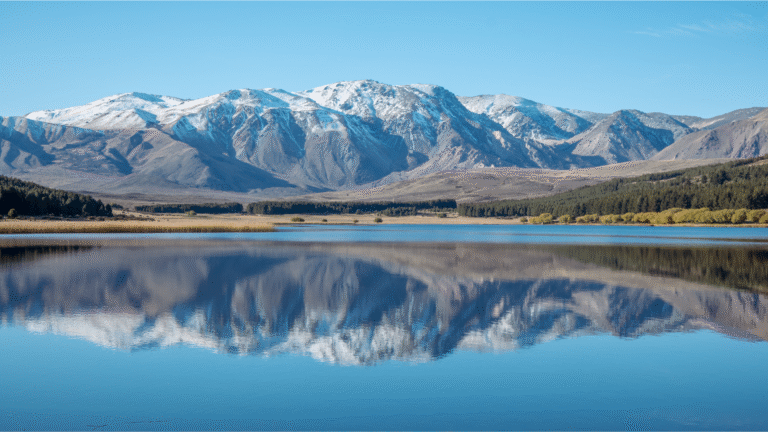
- Jackson Lake: This large alpine lake is ideal for boating, fishing, and photography. The backdrop of the Teton Range reflected in the water is a sight to remember.
- Signal Mountain Summit: A drive to the summit provides panoramic views of the Teton Range and the Snake River Valley.
- Moose Wilson Road: This scenic drive is famous for spotting wildlife such as moose, bears, and birds. Early mornings and evenings are the best times for sightings.
- T.A. Moulton Barn: One of the most photographed barns in America, located on Mormon Row, is an iconic spot for sunrise photography.
- Cascade Canyon: A rewarding trail that takes hikers through forests, streams, and alpine scenery.
- Snake River Overlook: Made famous by Ansel Adams, this viewpoint offers one of the most iconic perspectives of the Teton Range.
- Wildlife Watching: The park is home to elk, bison, pronghorn, moose, wolves, and bald eagles, making it a paradise for nature enthusiasts.
- Scenic Boat Rides: On Jenny Lake and Jackson Lake, boat rides provide a peaceful way to experience the surroundings.
- Winter Activities: Snowshoeing, skiing, and ranger-led programs allow winter visitors to enjoy the park’s serene landscapes.
Accommodation Options
Grand Teton National Park offers a wide range of accommodations.
- Budget: Campgrounds such as Gros Ventre Campground and Colter Bay Campground are affordable, with fees starting at 40 USD per night. Nearby motels in Jackson also provide budget-friendly options.
- Mid-Range: Lodges like Signal Mountain Lodge and cabins at Colter Bay Village provide comfort at moderate rates. Prices average 180 to 250 USD per night.
- Luxury: For those seeking luxury, the Jackson Lake Lodge and Amangani Resort near Jackson offer premium experiences, fine dining, and exceptional views, with rates upwards of 400 USD per night.
Local Food and Cuisine
Visitors to Grand Teton National Park and nearby Jackson Hole can enjoy a blend of Western flavors and modern cuisine.
- Must Try Dishes: Bison burgers, elk steak, trout, huckleberry desserts, and locally brewed craft beers.
- Recommended Restaurants:
- The Blue Lion (Jackson): Famous for rack of lamb and fine dining.
- Snake River Grill (Jackson): Known for upscale dishes and rustic ambiance.
- Signal Mountain Lodge Restaurant: Offers hearty meals with lake views.
- Jackson Lake Lodge Dining Room: Renowned for regional cuisine and panoramic vistas.
Travel Tips and Safety Advice
- Weather: Weather can change rapidly, especially at higher elevations. Layered clothing is recommended even in summer.
- Wildlife Safety: Maintain a safe distance from wildlife. Carry bear spray when hiking in remote areas.
- Packing Tips: Hiking boots, reusable water bottles, binoculars, sunscreen, and insect repellent are essentials.
- Cultural Awareness: Respect the history of Native American tribes associated with the land.
- Sustainability: Follow Leave No Trace principles to protect the fragile environment.
Itinerary Suggestions
3 Day Plan
- Day 1: Explore Jenny Lake, hike to Hidden Falls, and visit Moose Wilson Road for wildlife.
- Day 2: Take a boat ride on Jackson Lake, visit Signal Mountain Summit, and photograph the T.A. Moulton Barn.
- Day 3: Hike Cascade Canyon, end with sunset views at Snake River Overlook.
5 Day Plan
- Day 1: Same as above.
- Day 2: Explore Colter Bay Village, enjoy a scenic drive.
- Day 3: Full-day hike in Cascade Canyon.
- Day 4: Visit Mormon Row Historic District and Jackson Lake Lodge.
- Day 5: Relax with a wildlife safari or ranger-led program.
7 Day Plan
- Days 1 to 5: Follow the five-day itinerary.
- Day 6: Experience winter or seasonal activities if applicable, such as horseback riding in summer or skiing in winter.
- Day 7: Take a day trip to Yellowstone or relax in Jackson Hole.
Final Thoughts
Grand Teton National Park is more than a destination; it is an experience of raw natural beauty, wildlife encounters, and cultural history. Whether travelers seek adventure through hiking, peace through photography, or knowledge through ranger programs, the Tetons offer something for everyone. With proper planning, respect for nature, and an adventurous spirit, a trip to the park becomes a lifelong memory.
FAQs
What is the entrance fee for Grand Teton National Park?
The fee is 35 USD per vehicle for a seven-day pass, or 70 USD for an annual pass.
When is the best time to visit the park?
Summer and early fall are considered the best times, but spring and winter also offer unique experiences.
What animals can be seen in the park?
Wildlife includes moose, elk, bison, bears, wolves, and bald eagles.
Can visitors stay inside the park?
Yes, the park has lodges, campgrounds, and cabins available.
Is it possible to visit both Yellowstone and Grand Teton in one trip?
Yes, the parks are adjacent, and many travelers combine both destinations.

I am Ethan Miles, exploring the magic of Theme Parks and the beauty of Nature & Outdoors. From thrilling coasters to peaceful trails, I share honest tips, hidden gems, and immersive guides that inspire you to travel deeper and discover more. Whether you are chasing the rush of a roller coaster or the calm of a forest sunrise, my mission is simple to inspire you to explore with curiosity, depth, and joy.


One Comment